
단 두 명이 100분을 꽉 채웠다. 그들의 연기와 호흡이 극장을 휘어잡았고, 순식간에 막이 내렸다. 연극은 단출하게 보일 정도로 소품도 거의 없고 세트를 대신하는 것은 빔 프로젝터가 드리우는 빛뿐이다. 하지만 배우들의 연기를 보니 다른 것들은 굳이 필요 없음을 알았다. 그들로 충만했다.
Two actors filled 100 minutes to the brim. Their performance and chemistry held the theater in a tight grip, and before I knew it, the curtain fell. The set was minimalist—almost stark—with few props and only a screen for projections. However, watching the actors, I realized nothing else was needed. The stage was fully occupied by their presence alone.
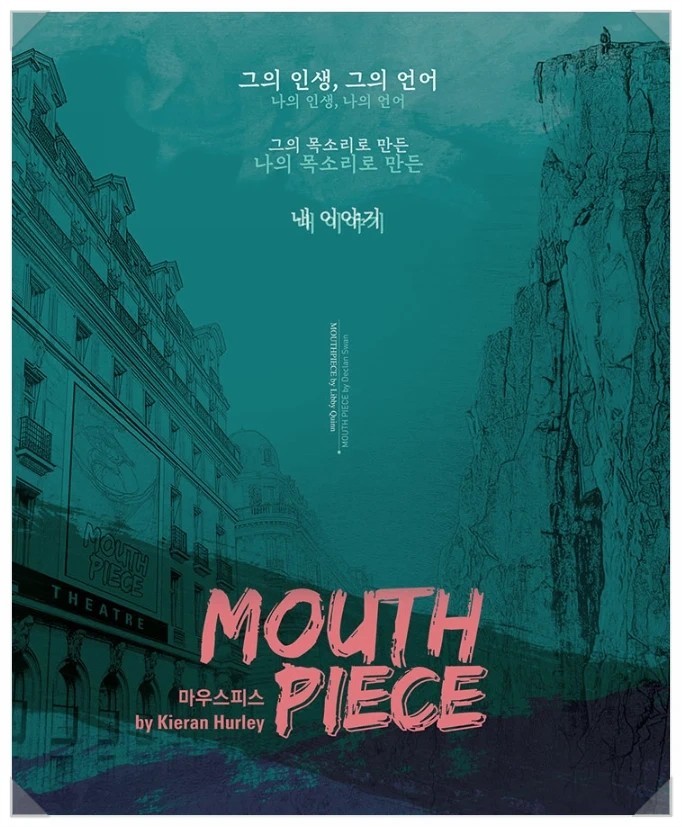
해당 아티클은 연극 내용에 대한 약간의 스포일러가 포함되어 있음을 알립니다!
Note: This article contains minor spoilers for the play.
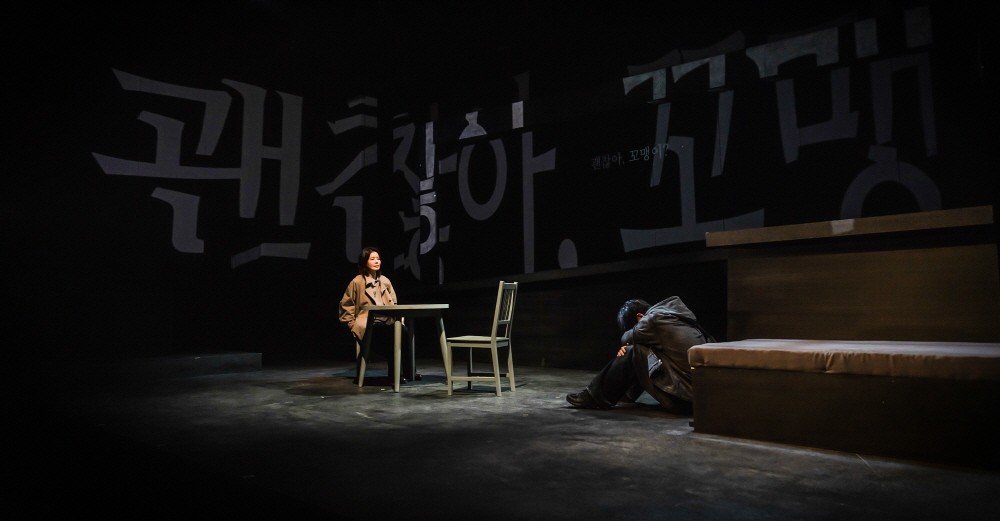
이 연극은 메타씨어터의 형식을 취한다. 메타씨어터(Meta Theater)는 연극에 대한 연극을 가리키는 연극 용어로, 쉽게 말해 연극의 형식이나 의미에 대해 다루는 연극이다. 극 중 극작가인 리비가 다른 주인공인 데칼린의 이야기로 희곡을 써 내려가고, 그 과정 자체가 이 작품의 전개가 된다. 이야기가 절정에 달할수록 리비가 쓰는 이야기와 데클란의 목소리는 하나로 겹쳐지며, 결국 이야기와 현실의 경계를 허문다.
This play employs the form of Meta-theater. Meta-theater is a theatrical term referring to "a play within a play"—a work that addresses its own form, structure, or meaning. In the story, Libby, a playwright, writes a script based on the life of Declan, the other protagonist. This writing process is the progression of the play. As the tension reaches its peak, Libby’s written words and Declan’s actual voice begin to merge, eventually shattering the boundary between fiction and reality.
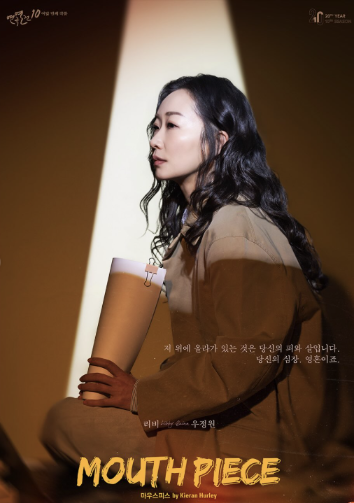
리비는 슬럼프를 맞은 40대 여성 극작가이다. 창작자이자 예술가라면 누구나 리비를 통해 자신을 볼 수 있을 것이다. 누구나 이해하고 공감할 수 있는 이야기이면서 동시에 오직 자신만이 써낼 수 있는 무언가는 그들에겐 무기가 된다. 하지만 그런 이야기는 좀처럼 쉽게, 아무에게나 찾아오지 않는다. 그런 리비에게 데칼린은 호기심과 예술적 발견 그 자체였다. 데칼린은 혼자 있기를 좋아하는 평범한 소년처럼 보이지만 그의 배경은 평범과 거리가 멀었다. 데칼린에게 폭력을 행사하며 몹쓸 말을 퍼붓는 개리, 그런 아들을 보호할 힘과 권력이 없는 엄마, 그리고 하나뿐인 소중한 여동생. 그것이 데칼린이 가진 전부였다. 그런 그에게 리비라는 존재가 생긴 것이다.
Libby is a middle-aged woman in her 40s, a playwright grappling with a severe slump. Any creator or artist would empathize with her. Every artist dreams of a story that is universally relatable yet uniquely theirs—a powerful "weapon" of a narrative—but such inspiration doesn't come to everyone. To Libby, Declan was more than just a person; he was curiosity and artistic discovery personified. Declan seems like an ordinary boy who enjoys solitude, but his background is far from ordinary. His world consists of Gary, who subjects him to violence and verbal abuse; a mother powerless to protect him; and his one and only precious younger sister. And then, Libby enters his life.

어쩌면 데칼린을 구원해 주는 건 오직 그림뿐이었는지도 모른다. 데칼린은 그림에 재능이 있었고, 그 그림 덕분에 리비를 만나게 되었기 때문이다. 두 사람은 서로의 예술을 이해하는 친구였다. 리비는 데칼린을 이야기로 쓰고 싶어 했고, 데칼린은 누군가 자신을 주인공으로 만들어주는 것이 그저 신났다. 하지만 그들의 우정은 오래가지 못했다. 충동적으로 벌어진 한 사건 이후, 둘은 서로에게서 멀어졌다. 이후 리비는 데칼린의 이야기로 다시 극에 복귀한다. 그리고 관객과의 만남에서 둘은 다시 마주한다. 감정이 폭풍우처럼 휘몰아치고, 작품은 끝내 어디로 향할지 알 수 없는 결말 속으로 관객을 끌고 간다.
Perhaps painting was Declan’s only salvation. Not only was he talented, but it was through his art that he met Libby. They were "artistic soulmates." Libby wanted to write his story, and Declan was simply thrilled that someone wanted to make him a protagonist. However, their friendship was short-lived. A single impulsive incident drove them apart. Libby eventually makes her comeback using Declan’s story. When they finally reunite at a "Meet the Author" event, emotions surge like a storm, and the conclusion spirals toward an unpredictable end.
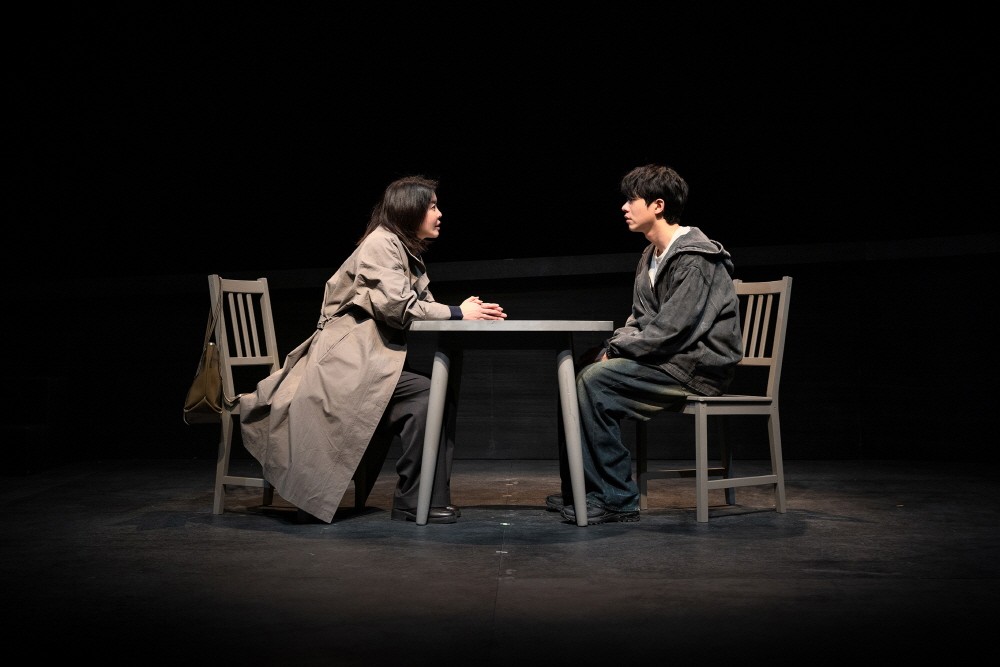
이 작품이 매력적인 이유는, 공연을 보는 동안에는 예술과 현실의 경계가 허물어지는 그 과정이 강한 몰입을 만들어내지만, 극이 나에게서 빠져나간 이후에는 현실적인 문제가 남는다는 점이다. 무대의 감정이 걷혀간 자리에는 외면할 수 없는 현실이 남는다.
앞서 언급했듯 메타씨어터의 성격을 가진 마우스피스는 리비가 써내려가는 대본이 무대에 펼쳐진다. 즉, 배우가 직접 ‘나는 글을 쓴다’, ‘물컵이 쏟아지고 데칼린은 주저앉는다’와 같은 나레이션을 읊는다. 동시에 이 작품은 대본이라는 형식적 구조 위에 서 있다. 이야기로서의 문법과 규칙을 따른다. 리비는 말한다.
"이야기의 중간 지점과 결말에는 반대에 가까운 반전이 있어야 한다."
개인적으로 가장 좋아하는 장면이다. 그리고 그 중간 지점에서 그들은 아주 행복했다. 그렇다면 결말은 예정된 비극인가. 이야기를 써내려가는 행위가 마치 미래를 예견하는 것처럼 느껴져 가슴이 먹먹했다. 리비는 알고 있었을까? 아니 그때는 체감하지 못했을 것이다. 그리고 이야기와 현실의 경계가 허물어지는 그 순간에 나는 절망했다.
The magic of this piece lies in its dual impact: while watching, you are captivated by the blurring of art and reality; but once the play ends, you are left with stark, real-world questions.
As mentioned, Mouthpiece follows Libby’s writing process. The actors narrate their own actions, saying lines like, "I am writing," or "The water cup spills, and Declan collapses." Because it follows the structure of a script, it obeys the "rules of storytelling." Libby remarks that at the midpoint and the ending, there must be a reversal—a twist.
This was my favorite part of the play. At that "midpoint," they were truly happy. Does that mean the ending must be a tragedy? It felt heartbreaking, as if writing the story was a way of foretelling a grim future. Did Libby know? Perhaps she didn't realize it at the time. I felt a sense of despair the moment the boundary between the story and reality finally dissolved.
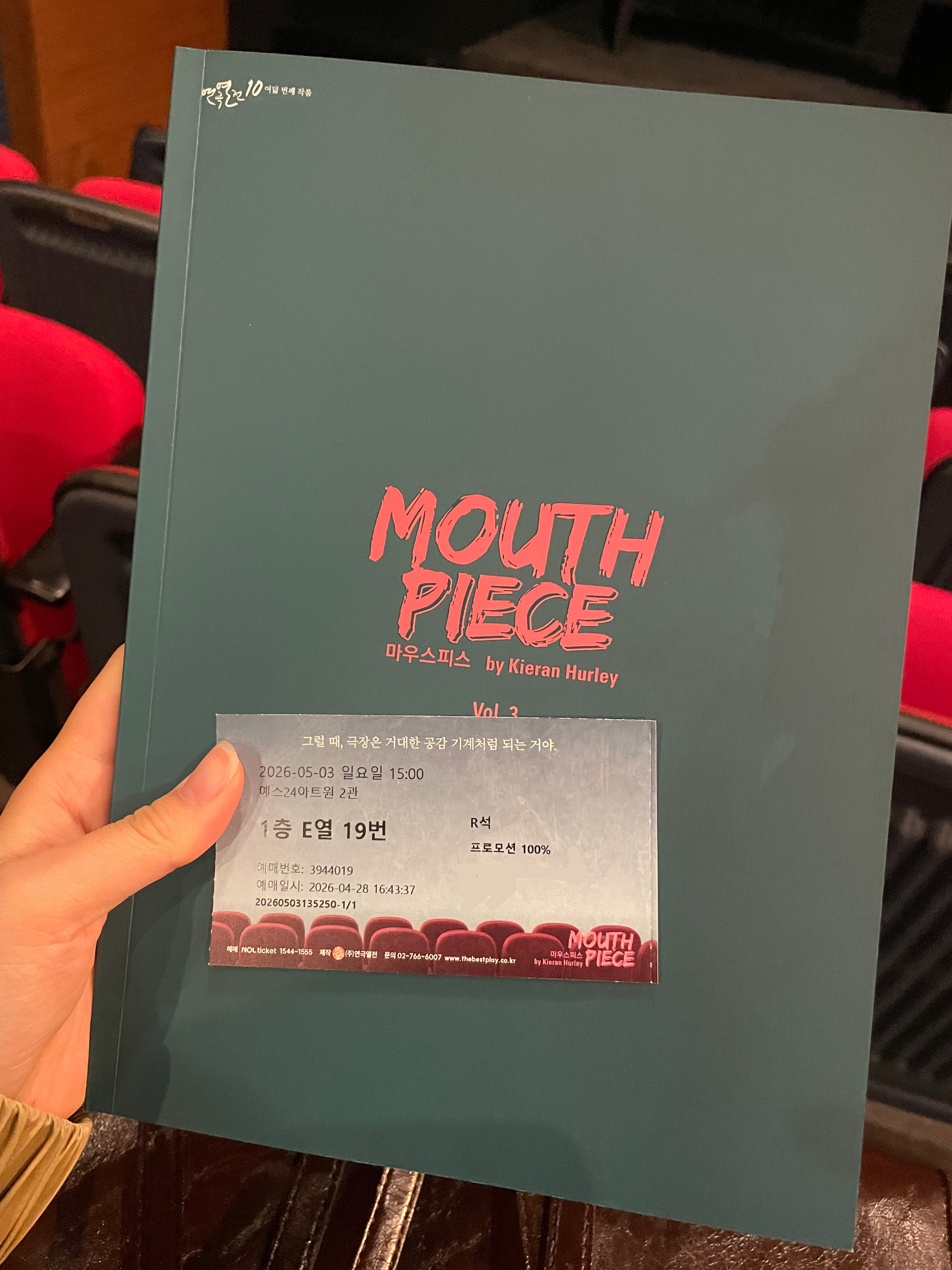
물론 결말은 단순히 새드엔딩이 아니다. 어떤 결말을 맞이할지는 직접 확인해보길 권한다. 배우들의 연기가 끝났을 때 나는 비로소 이야기와 현실을 분리할 수 있었고 박수를 치며 이곳이 현실을 체감했다. 동시에 내 안에는 수많은 데칼린이 남았다. 다시 현실적인 문제로 돌아온 것이다. 리비는 데칼린과 헤어진 후 그의 이야기로 극에 복귀했다. 데칼린은 다시 혼자가 되었고 정작 그의 이야기는 그가 없는 곳에서 그의 목소리인 마냥 재현되었다. '연기했다'는 표현보다 '연기 당했다'는 말이 더 적절할 것 같다. 그 순간 데칼린이 가엾다는 감정이 밀려왔고, 이내 하나의 생각으로 모아졌다. 결국 이 모든 것은 어른의 부재에서 비롯된 문제라고.
Of course, the ending isn't a simple "sad ending." It is best to experience the conclusion for yourself. Only when the performance ended was I able to detach the story from reality. As I clapped, returning to the real world, I found myself haunted by the many "Declans" out there. The focus shifted to the practical, ethical issues. After parting with Declan, Libby returned to the spotlight using his story. Declan was left alone again, and his life was performed in a place where he had no voice. "Exploited" might be a more fitting word than "performed." I immediately felt a deep pity for Declan and realized that the core of the tragedy was the absence of responsible adults.
데칼린은 우리가 평소 생각하는 ‘보통’의 환경에서 자란 아이가 아니었다. 폭력과 폭언, 보호받지 못하고 안정적이지 않은 환경에서 혼자 커왔다. 그런 그에게 리비는 정상적인 첫번째 어른이었을 것이다. 그 아이가 느낀 배신과 외로움을 혼자 감당하게 만들어선 안 된다고 생각했다. 그래서 리비가 원망스럽기까지 했다.
세상에 수많은 데칼린이 있다. 하얀 백지와도 같은 아이들은 주도권 없이 주변 환경에 의해 색칠되고 스케치 되기 마련이다. 내가 어떤 사람으로 성장할지 어떤 성향을 갖게 될지 대개는 자신의 의지와 무관하게 그려진다. 이것이 곧 미성년자가 보호받아야 하고, 어른이 그들을 책임져야 하는 이유일 것이다.
번외로 연극을 볼 때마다 느끼는 연극배우에 대한 존경심과 경이로움을 다시 한번 느꼈다. 뜨거운 조명 아래에서 관객들을 바라보고 오로지 스스로의 목소리를 믿고 연기하는 그들은 마치 다른 종족처럼 느껴진다. 그들의 성량과 에너지에 압도당하고 나면 좋은 의미로 기진맥진해진다. 그 탈진이야말로 연극이 건네는 가장 솔직한 선물일지도 모른다.
Declan didn't grow up in what we consider a "normal" environment. He grew up alone amidst violence and instability, without protection. To him, Libby was likely the first "normal" adult he had ever known. I felt that he should not have been left to bear the weight of betrayal and loneliness by himself. I even felt a surge of resentment toward Libby.
There are countless Declans in the world. Children are like blank canvases, destined to be colored and sketched by their surroundings. The kind of person they become is often determined for them before they have a say. This is exactly why minors must be protected and why adults must take responsibility for them.
On a side note, I was once again struck by a sense of awe and respect for stage actors. To stand under those scorching lights, looking directly at the audience while relying solely on one's own voice and presence, makes them feel like a different species altogether. Being overwhelmed by their vocal power and energy left me exhausted in the best way possible.
마우스피스는 예스24 아트원 2관에서 6월 21일까지 진행된다. 끝나기 전에 한번 가서 무겁고도 진한 여운을 느껴보길 바란다.
Mouthpiece runs at YES24 Art One, Hall 2 until June 21st. I highly recommend seeing it before it ends to experience its heavy, lingering resonance for yourself.
