
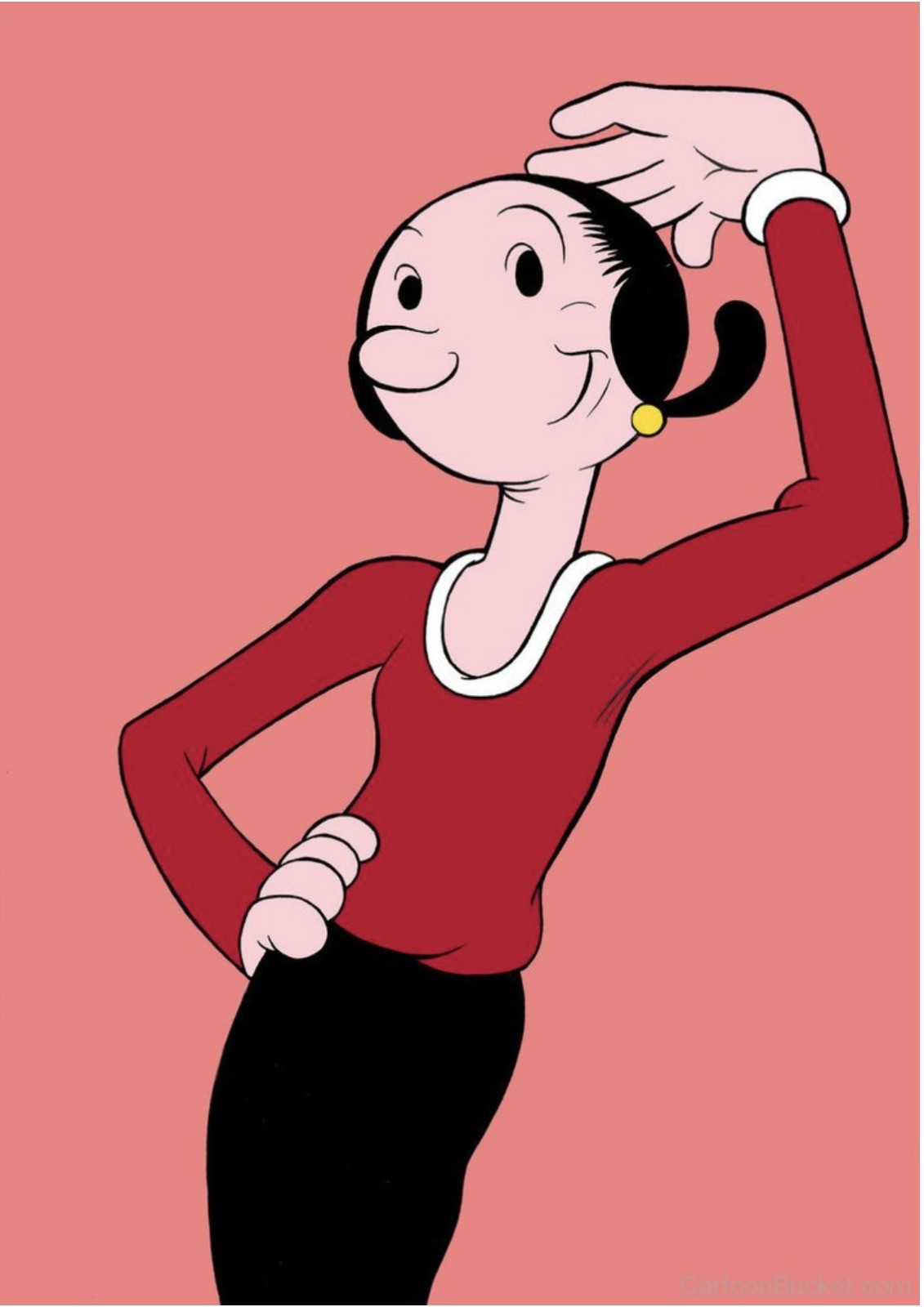
Olive Oyl, as many of us remember her from cartoons, was a passive woman with thin limbs who constantly waited to be rescued by Popeye. But the Olive created by playwright Sivan Ben Yishai is entirely different.
She is a successful forty-year-old feminist writer, a woman who actively shapes and controls her own life. So why does she begin to feel like “a thin strand of noodle” the moment she falls in love?
<LIEBE / Eine argumentative Übung >asks what kinds of “self-erasure” we willingly endure in order to preserve the harmony that love promises. Can even the “perfect feminist” protect her own world within a heterosexual relationship? How does the internalization of oppression merge with the fantasy of romantic love and slowly consume our sense of self?
🛠️ Freies Werkstatt Theater: A Theater That Learns Through Mistakes

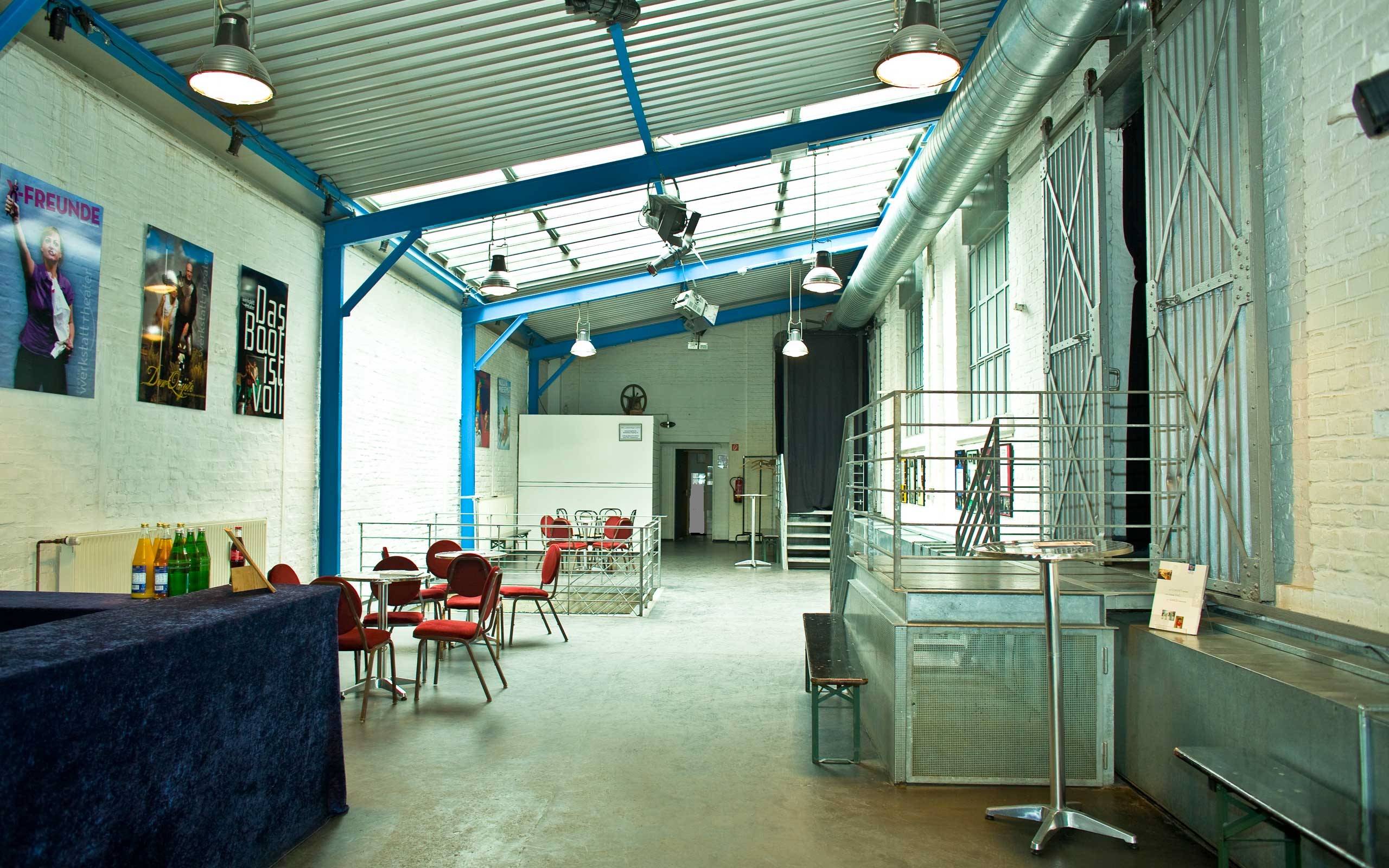
The play was staged at FWT (Freies Werkstatt Theater), one of Cologne’s most historic independent theater spaces.
Eighty years ago, the building functioned as an industrial warehouse: chocolate and lightbulbs were produced upstairs, while bananas ripened underground. In the late 1970s, artists moved into the aging structure, transforming it into a Werkstatt — a workshop where new narratives could be created.
Today, FWT sees itself not merely as a venue for consuming finished performances, but as a “space for social negotiation,” where artists and audiences grapple together with the contradictions and transformations of contemporary society. From climate crises to gender conflicts, the theater seeks to translate complex social issues into artistic narratives.
Their philosophy is encapsulated in one sentence:
“The theater we stand for does not already know everything. It makes mistakes." Das Theater, für das wir stehen, weiß nicht schon alles. Es macht Fehler.
Rather than presenting theater as a perfectly polished product to be passively consumed, FWT strives to create a transformative space for dialogue and shared experience. This production clearly reflects that philosophy.
🔓 Rewriting the Story of Popeye and Olive
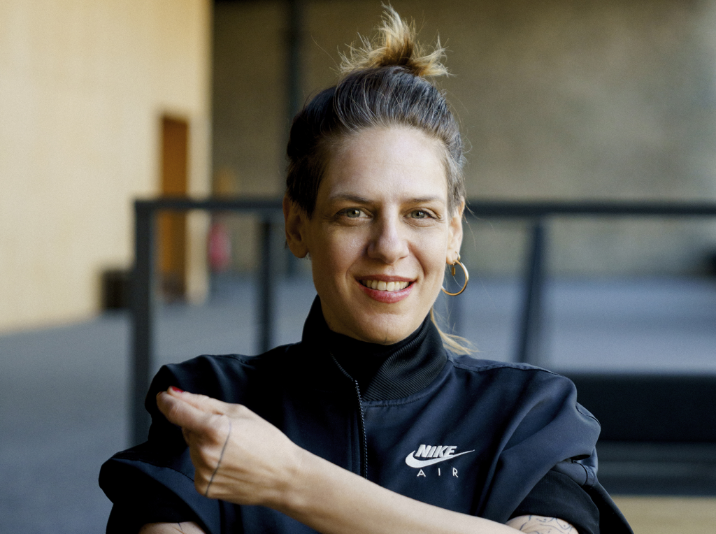
The playwright, Sivan Ben Yishai, is an Israeli dramatist who has been based in Berlin for over a decade. Her works expose the social power structures deeply embedded within the most private and intimate spaces of life.
She is known for radically reinterpreting familiar narratives — from Ibsen’s A Doll’s House to the mythological figure Medusa — through a feminist lens.
In LIEBE / Eine argumentative Übung, she dismantles the pop-culture icons Popeye and Olive Oyl. Through sharp irony and satire, the play tears apart gender roles and overturns the outdated grammar of “love.”
The production was nominated for the 2022 Cologne Theater Prize and later won the 2024 Mülheim Drama Prize, firmly establishing Ben Yishai as one of Germany’s most significant contemporary playwrights.
The play follows Olive, a successful forty-year-old feminist writer, and Popeye, a thirty-two-year-old film student, who meet at a German language school and fall in love.
Olive originally lives by strict principles of independence: no children, no shared home, no joint bank account. But eventually, she breaks her own rules and allows the seemingly gentle Popeye into her life.
Popeye, meanwhile, is a self-proclaimed feminist man who dreams of becoming a film director but has never managed to finish more than two pages of a screenplay.
To preserve the relationship, Olive continuously sacrifices herself. She pays Popeye’s rent for over three years. Even when she receives an important literary prize and Popeye completely forgets about it, she swallows her disappointment to avoid conflict. She minimizes her own success in order to protect his fragile ego, becoming his “most reliable supporter.” Even within her own home — where she once lived freely and comfortably in her own body — she begins shrinking herself under his gaze.
One particularly fascinating aspect of the production is that the entire story is performed by only two female actors. Rather than assigning fixed male and female roles, the actresses constantly switch between Olive and Popeye. They also transform into Olive’s patriarchal grandmother, a detached gynecologist, and even detached narrators commenting on the story itself. Instead of presenting a romantic heterosexual love story, the performance becomes an ongoing battlefield of arguments — constantly questioning and dismantling the inequalities embedded within love.
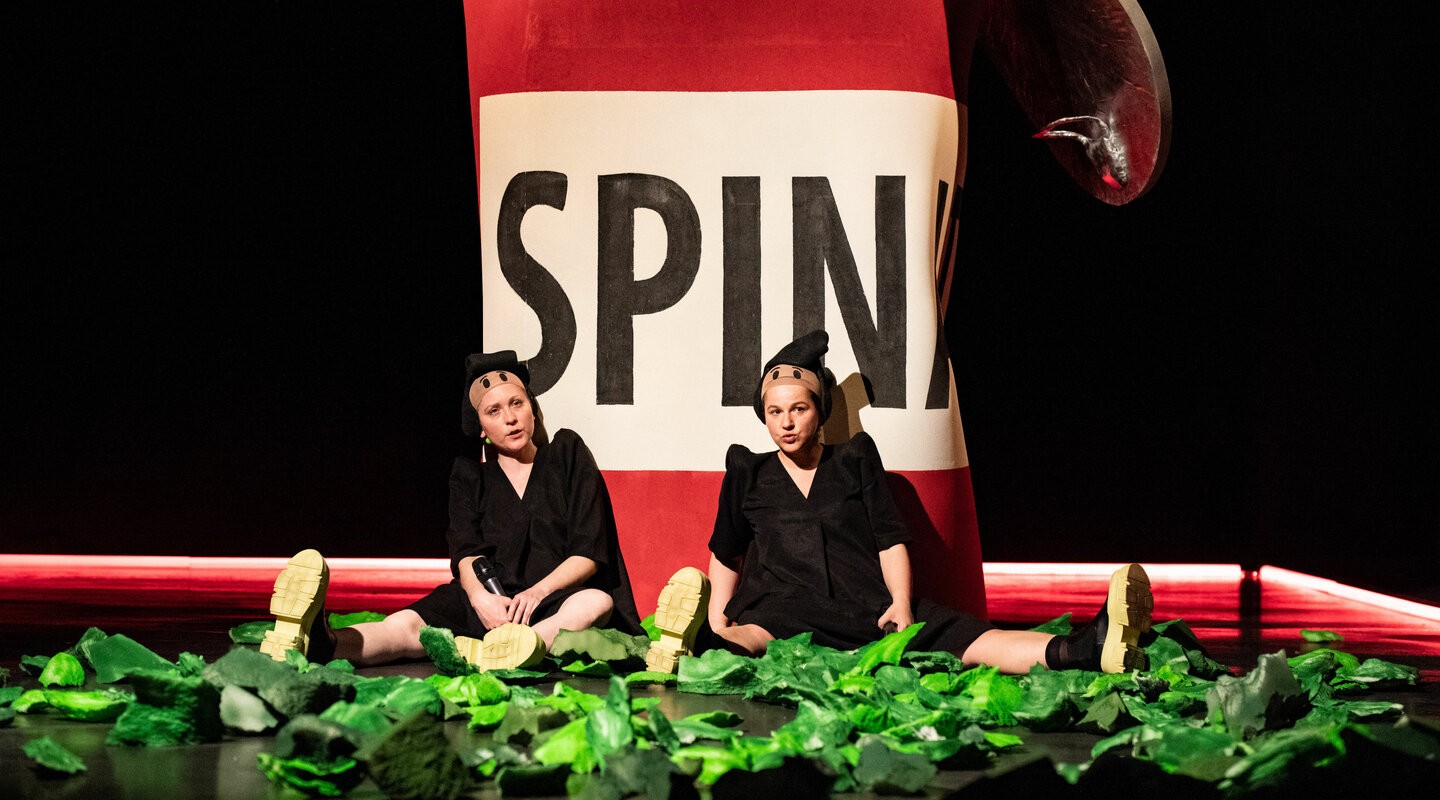
Why Two Women? The decision to cast two women is deliberate: it prevents the audience from emotionally romanticizing the relationship.
As the actresses exaggerate and parody heterosexual gender roles through slapstick performance and rapid role-switching, the audience is forced to step back and objectively observe how women erase themselves within relationships.
The actors repeatedly break the fourth wall, directly addressing the audience as “dear spectators,” implicating them as complicit observers who consume and scrutinize women’s bodies from their theater seats.
What begins as an intimate love story gradually expands into a social critique. The audience is no longer merely watching the play — they become participants within the system it condemns.
✂️ Internalized Oppression and the Self-Erasure Called “Harmony”
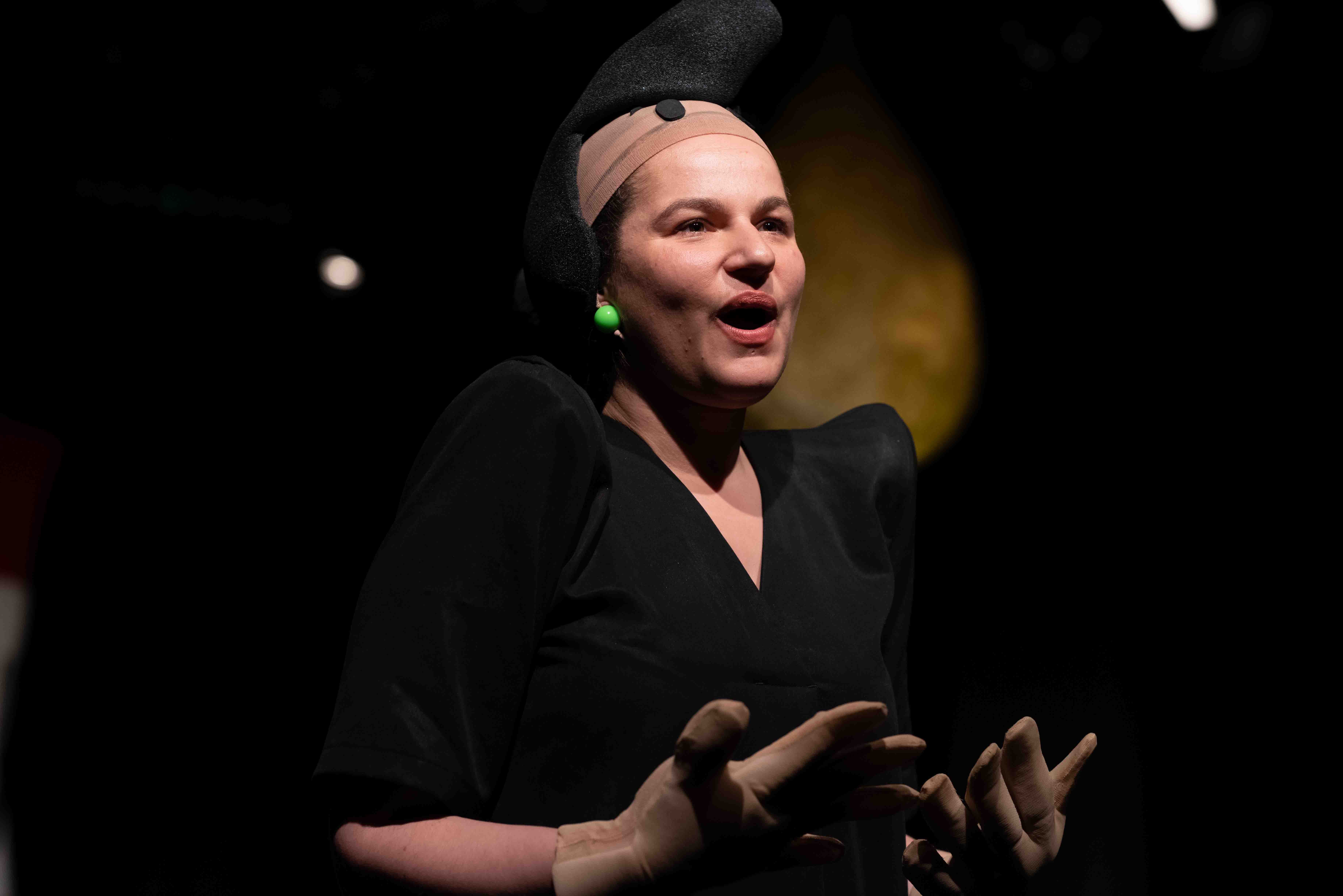
One of the play’s most striking achievements is how it portrays even a seemingly “perfect” feminist slowly collapsing within a heterosexual relationship.
Before meeting Popeye, Olive was a woman who completely owned her body and life. She wrote, slept, cooked, and lived naked and freely, entirely at ease with herself.
After moving in with Popeye, however, she becomes ashamed of her own body. She hides herself constantly. Even the natural scent of her body becomes something she perceives as problematic, leading her to seek artificial strawberry-scented sprays at the gynecologist instead of simply existing comfortably as herself.
At one point, Olive describes herself like this:
“My shoulders shrank inward and my back bent. Whenever he looked at me, I felt like a thin, ridiculous noodle.” Die Schultern schrumpften zusammen und der Rücken beugte sich. Wenn er Körper ansah, hüte sie sich wie eine dünne, lächerliche Nudel.
The most important theme here is “harmony.”
To maintain peace within the relationship, Olive continually makes herself smaller. She avoids drama by swallowing her anger and carefully protecting Popeye’s ego.
She repeatedly tells herself:
“Even if I must step back for harmony. Even if we must make ourselves smaller for harmony. Even if we must fake it for an entire lifetime for harmony.” Selbst wenn ich dafür einen Schritt zurücktreten muss, Harmonie. (...) uns ein bisschen kleiner machen müssen,Harmonie, selbst wenn wir dafür ein Leben lang faken müssen,Harmonie.
The play asks a devastating question: Is this fragile harmony truly love? Or is it merely desperation — the fear of loneliness disguised as romance?
How much of ourselves do we erase in the name of love? How often do we disguise self-exploitation as devotion?
The production ultimately broadens its critique beyond Olive’s personal story.
Patriarchal voices — embodied through Olive’s grandmother — continue echoing inside her mind, reminding her that a man must always appear “above” a woman.
In the climax, the actors accuse not only society but also the audience itself:
“For the price of a 20-euro theater ticket, you weighed our bodies with your eyes. You checked our breasts like fruits in a supermarket.” Für eine 20 € Theaterkarte habt ihr ihr uns mit euren Augen abgewogen. Ihr habt uns ausgezogen und unsere Früchte gecheckt, unsere Brüste gecheckt wie Früchte im Supermarkt.
It is a sharp indictment of societal violence that refuses to let a woman's body simply exist as "neutral."
The play also critiques the hypocrisy of progressive modern society. Even activists who fight against patriarchy by day "take off their feminist hats at 5 PM" and flee to the most conservative and exclusive form: the monogamous romantic couple (monogamen Paarungen).
🫒 Breaking the Fantasy of Harmony: To All the Olives
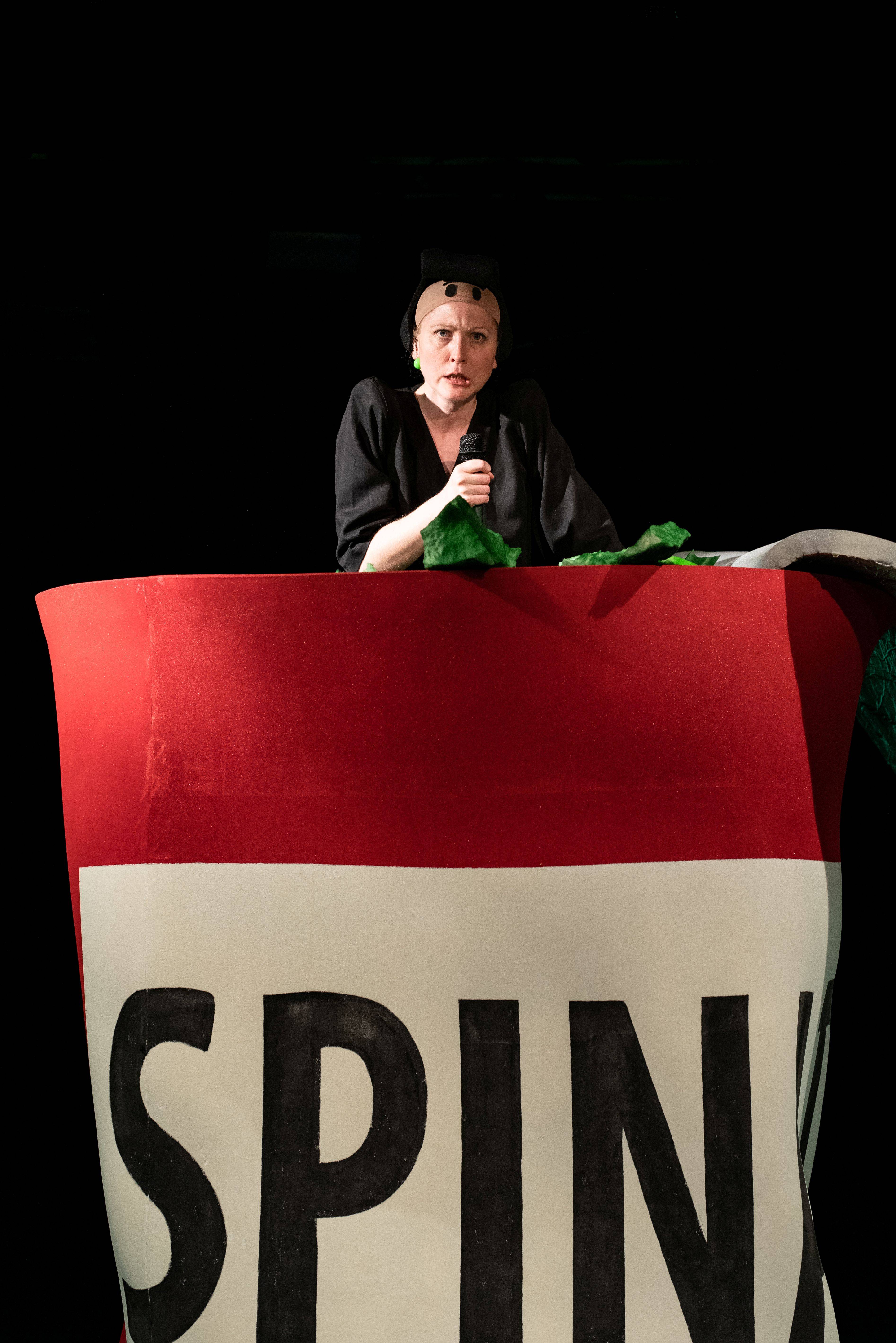
Toward the end of the play, Olive finally explodes with rage. She stops cleaning. She lets the trash rot. The moment is strangely cathartic.
The tragedy is that Olive already had a full and meaningful life before the relationship: close friends, writing routines, and a rich sense of purpose.
As the play reminds us, Olive was:
“Someone who possessed visions of the future far larger than what was presented here on stage.” viele Visionen von der Zukunft, die weitaus umfangreicher waren als das, was sie hier zur Präsentation ausgewählt hat
And this is where the play becomes deeply painful.
Why must love consume so much of the self? Why does love make women smaller? Can true subjectivity exist only in isolation, in a room untouched by another person’s gaze?
Even intelligent, politically conscious women voluntarily activate an inner patriarchal censor once they enter romantic relationships. The play refuses to provide easy answers.
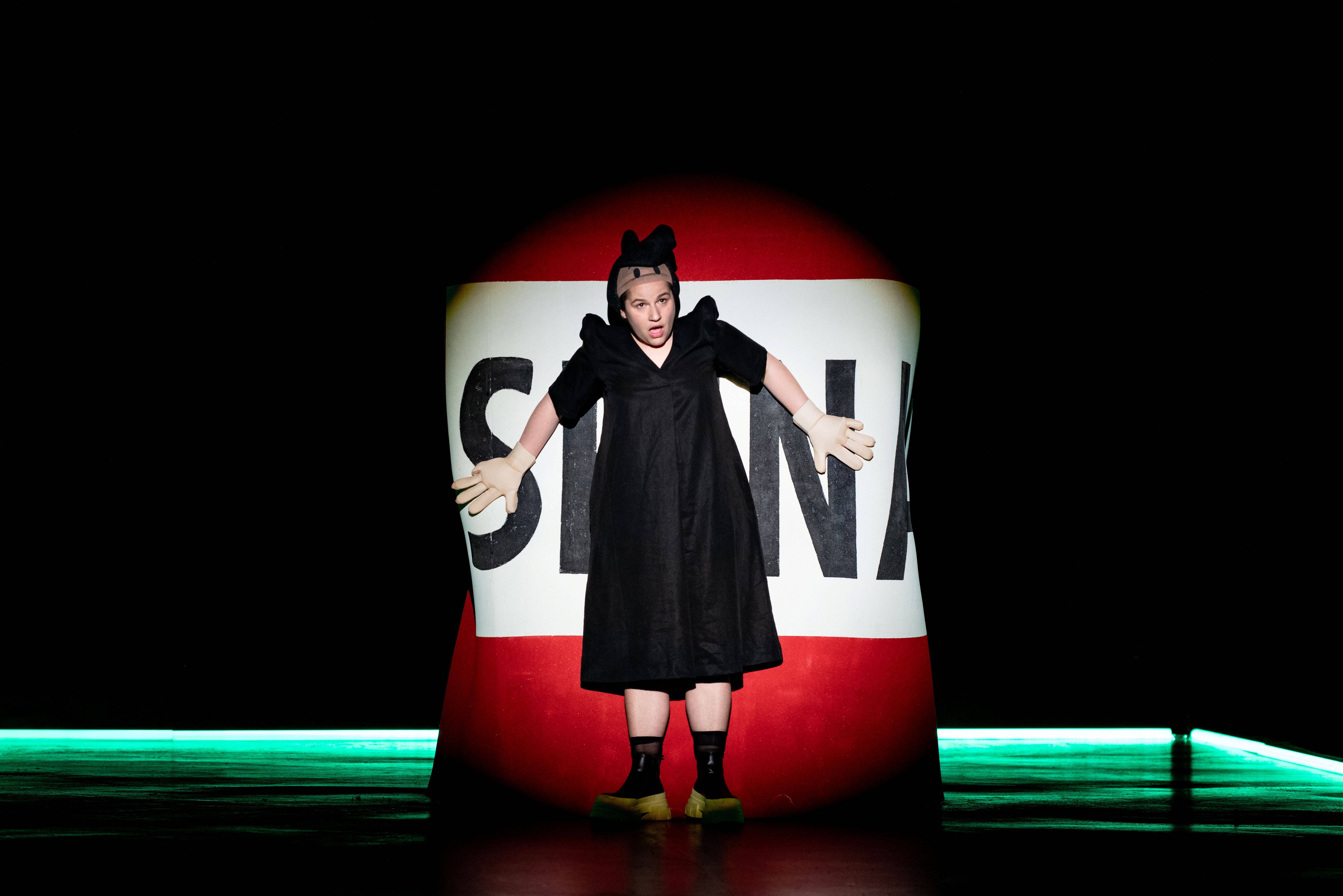
At the same time, however, it acknowledges another truth: the comfort of belonging to someone can feel overwhelmingly real.
Olive asks:
“On Sunday morning, are you part of something, or not? Will your grave stand beside someone else’s, or alone somewhere?” Sonntag morgen, bist du da ein Teil von etwas oder nicht? (...) Steht dein Grab neben dem von jemand anderem oder liegt dein Grab da irgendwo alleine rum?
The question lingers long after the performance ends.
Perhaps love is irrational precisely because it requires us to soften the sharp edges of ourselves in order to create a shared “we.” And perhaps that willingness to welcome another person into one’s universe — even at the risk of being hurt or diminished — is one of the bravest things a human being can do.
The play warns us about the dangers of love, especially the way it can swallow women whole. Yet it also recognizes the courage of those who continue loving anyway, while desperately fighting not to lose themselves inside it.
Ultimately, LIEBE / Eine argumentative Übung does not provide a neat resolution between romantic love and female subjectivity. Instead, it forces each audience member to confront the incompetent “Popeye” and self-erasing “Olive” hidden within themselves.
Will we remain side characters in someone else’s story? Or will we become the full owners of our own bodies, spaces, and narratives — even if the trash rots in the corner?
The play leaves that choice to us. And perhaps that is its greatest strength.
✶ Performance Information
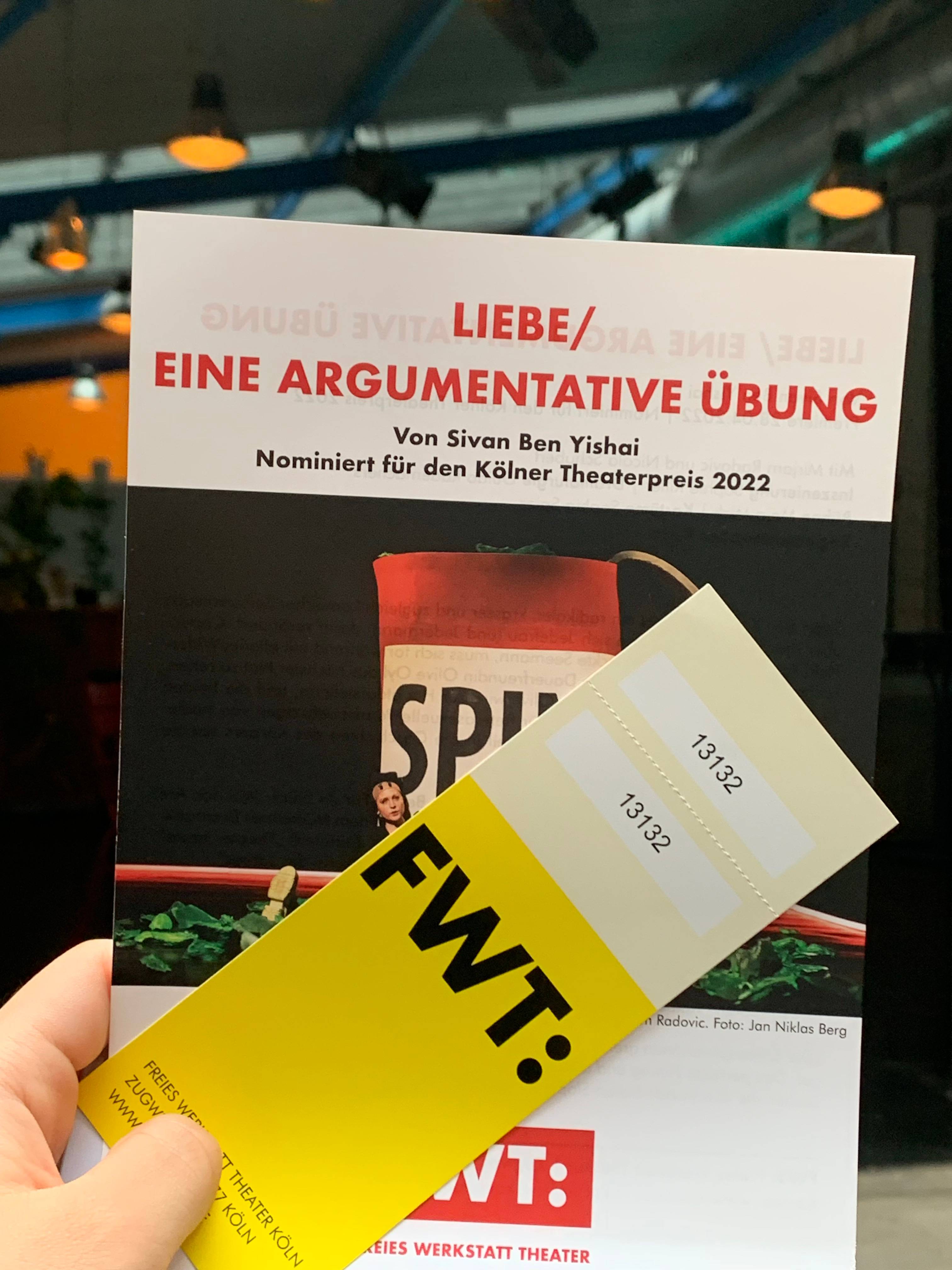
- Title: LIEBE / Eine argumentative Übung
- Playwright: Sivan Ben Yishai
- Venue: Freies Werkstatt Theater Köln
- Performance Dates: May 8–10, 2026
- Running Time: Approx. 95 minutes (no intermission)
👀 Venue Sketch
The theater is located near Chlodwigplatz in southern Cologne.
After about a ten-minute walk from the station, the entrance to FWT appears almost unexpectedly among ordinary residential buildings.
Inside, however, is a warm and intimate performance space.
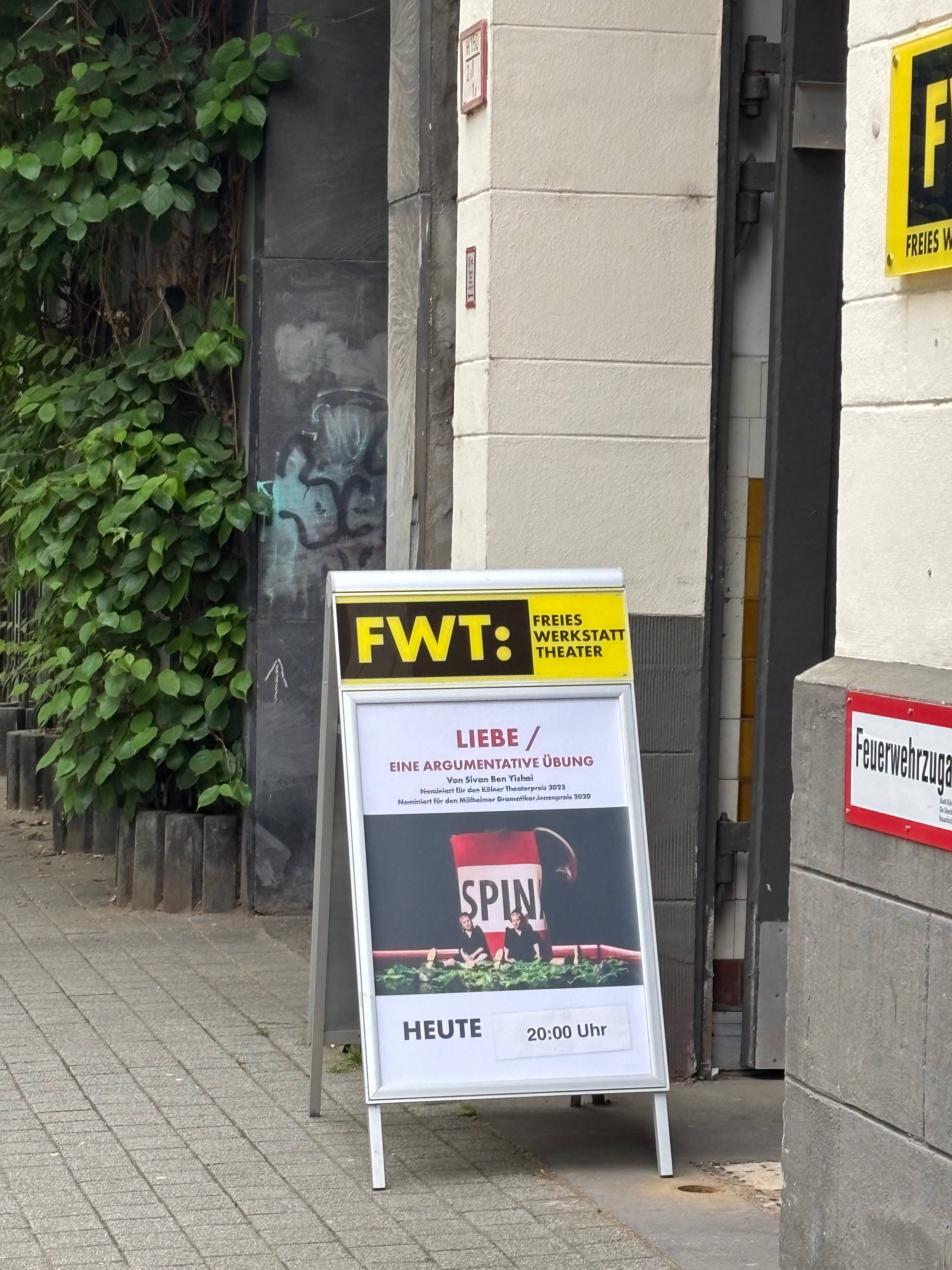
The lobby opens an hour before the performance, and tickets can be picked up at the cozy bar beside the entrance.
As with many German theaters, drinks and alcohol were available throughout the venue — of course, not for free 😌
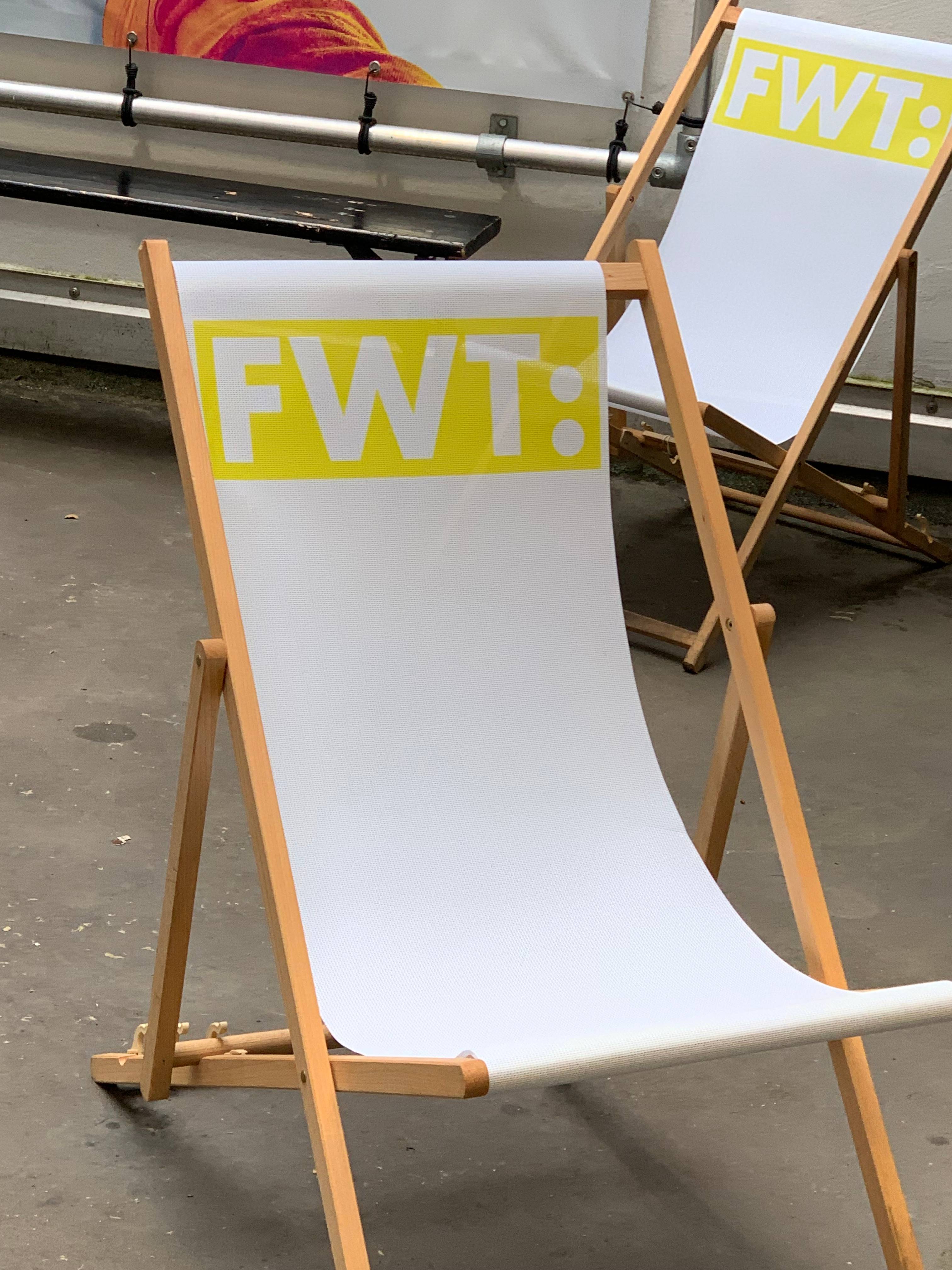
Thirty minutes before the show, artistic director and dramaturg Guido Rademachers introduced the theater and the production.
We were even invited backstage into the rehearsal space while hearing stories about the production process.
The show started slightly late due to first-performance preparations.
The seating was free-choice, and although I usually prefer aisle seats, I entered too early and ended up in the far corner.
Still, because the stage was so small, every detail was perfectly visible.
I’m definitely coming back for their next repertoire ♥️
