
1. The Weight of Silence Behind the Passion for Immersion
Today, the Korean musical and theater market is experiencing unprecedented growth. The intense immersion and enthusiastic reactions of Korean audiences are a great source of pride for K-performing arts. However, this passion has sometimes manifested as a rigid viewing culture. This unwritten rule—where one must remain as still as a mannequin, wary of even the sound of the person next to them breathing—started with the positive intention of providing ultimate focus. Yet, it has inadvertently raised the psychological barriers of the theater. While it may be a time of perfect concentration for some, for those who find it physically or mentally difficult to maintain absolute stillness, the theater has become "the place they want to visit most, but also the place they fear most." Now, we must ask: For whom does this "perfect experience" truly exist?
2. A New Standard: Barrier-Free and Relaxed Performance
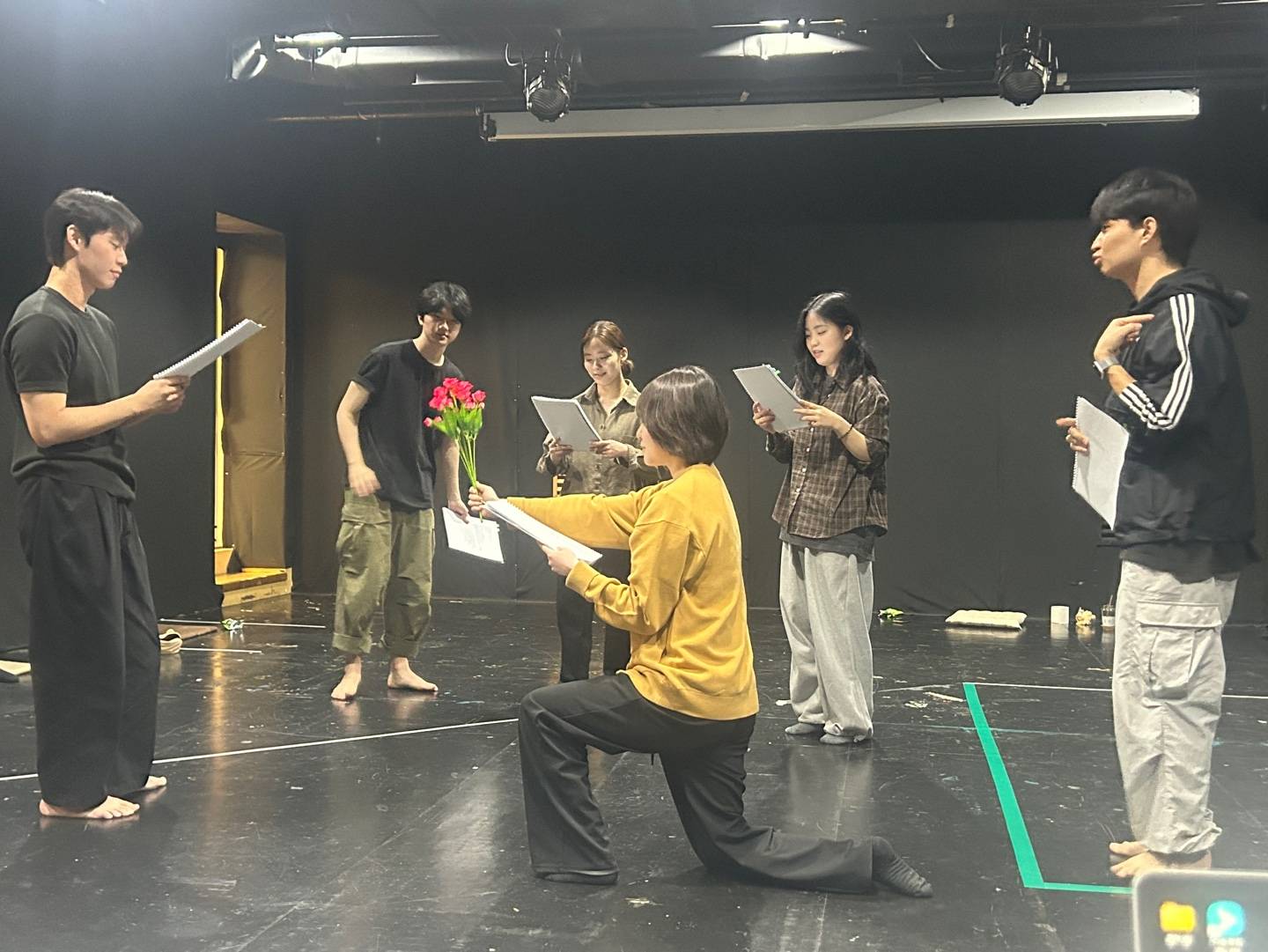
The concepts of Barrier-Free and Relaxed Performance have emerged as answers to this question. While Barrier-Free is a hardware-based approach—such as providing braille blocks or sign language interpretation—a Relaxed Performance is a software innovation that flexes the theater's conventions themselves. It helps audiences who might make unexpected noises or movements, such as individuals on the autism spectrum, those with developmental disabilities, people with dementia, or young children, to enjoy the performance without feeling judged. The core is creating an environment where everyone can stay "relaxed" by keeping the house lights slightly dimmed instead of pitch black, allowing free entry and exit, and adjusting sudden loud noises.
3. My First Step into Barrier-Free on a Campus Stage
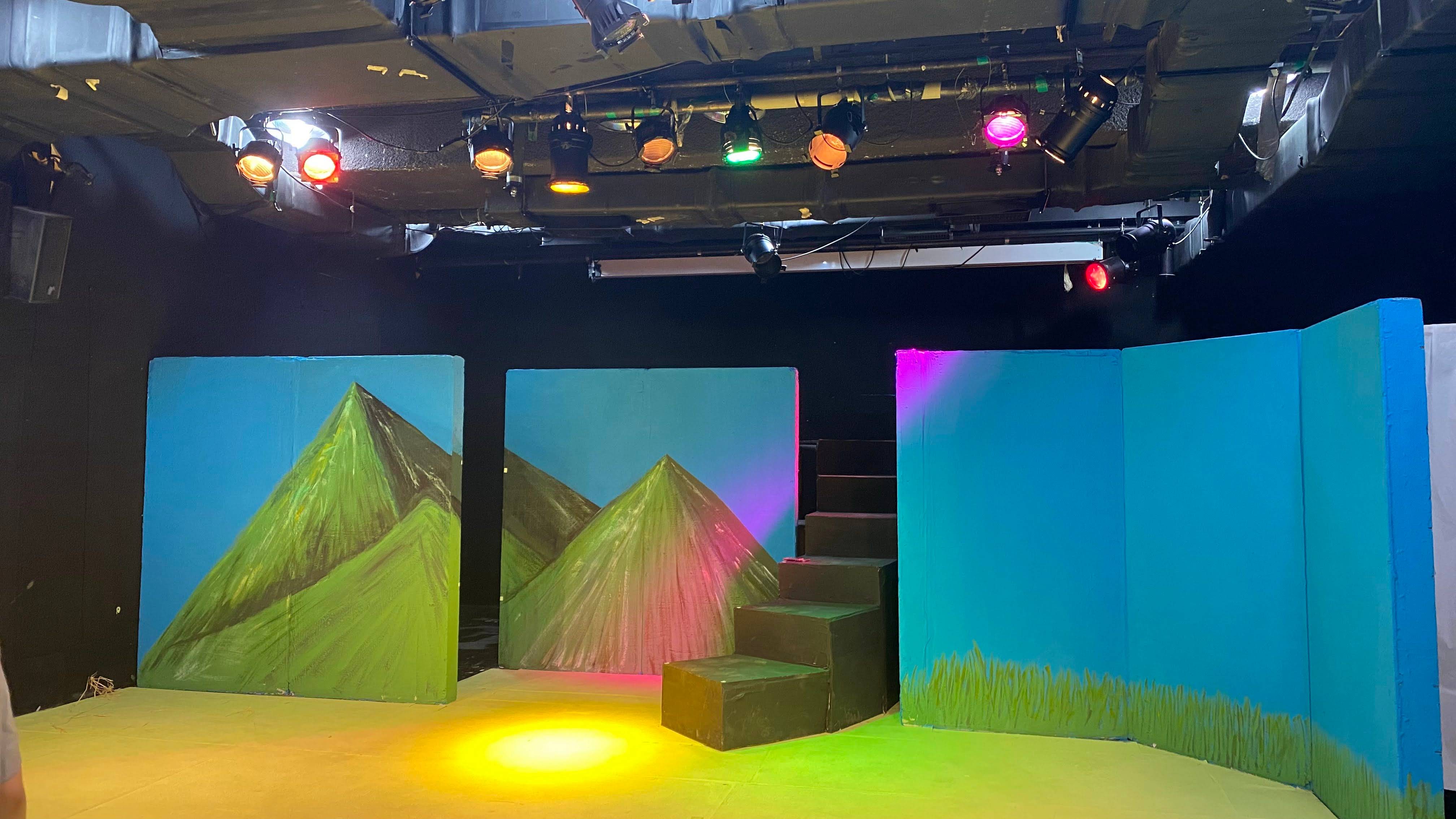
These changes aren't just for large-scale national institutions. As a member of my university’s theater club, I once planned and provided English subtitles for international students who were hesitant to attend due to the language barrier. Although it was just a simple text displayed on a small screen next to the seats, I will never forget the expressions of the international students who followed every line, understanding the story and sharing the emotions of the play.
Just as that small effort to break the language barrier gave someone the courage to enter the theater, a Relaxed Performance is like another "subtitle service" that breaks the barrier of "physical and mental conditions" so everyone can enjoy art equally. In the end, I realized firsthand that the heart of Barrier-Free isn't about grand facilities; it starts with the creator’s compassionate will: "Let’s make sure no one is left out and enjoy this moment together."
4. From the National Theater of Korea to Broadway: A Wave of Inclusion
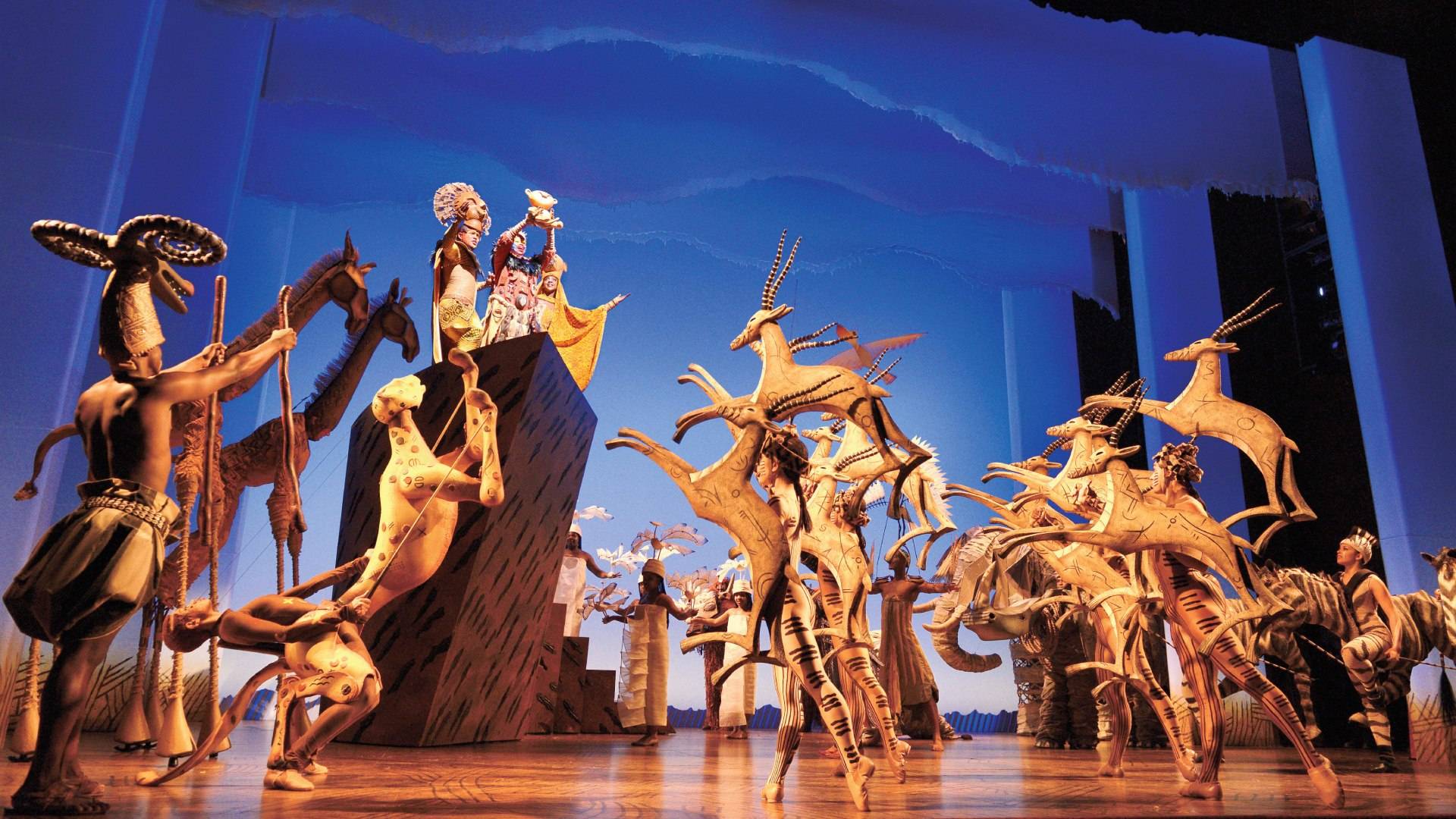
This shift is already being put into practice on major stages worldwide. In London’s West End and on Broadway, major commercial musicals like The Lion King and Wicked regularly host Relaxed Performance shows. They go beyond just opening the doors; they provide "Chill-out zones" in the lobby for audiences who need a break during the show.
In Korea, the National Theater of Korea is playing a pioneering role. Through its barrier-free performance series, actors come out before the show to introduce their characters and explain the production (such as bright lights or loud sounds), fostering a culture where the noises made by the audience are accepted as "part of the performance." These cases prove that barrier-free theater is not just a charitable event for a minority, but a mature experiment that expands the artistic horizons of performance.
5. The Essence of Art: A "Space for Coexistence" Where Everyone Breathes Together
The most profound resonance of a Relaxed Performance is the restoration of the essence of art. Just as the audience's cheers and chants once completed traditional Korean outdoor performances(Madang-geuk), theater is fundamentally a site of vivid communication created through the shared breathing of creators and audiences.
Of course, this doesn't mean every performance should be loud. However, when we break free from the obsession that "perfect silence" is the only answer and allow for "kind noises"—where we can laugh and cry together even if it's a bit clumsy or restless—the theater finally becomes a true space for social healing. The right for every audience member to encounter the stage in their own way—isn't that the truly brilliant "Happy Ending" of performing arts we should all strive for?
