

Revenge has always been one of the most powerful human emotions. When people are treated unfairly, they naturally begin to desire retaliation. Perhaps that is why audiences are constantly drawn to stories of revenge. At the same time, however, we also know that revenge rarely brings true happiness. The musical Sweeney Todd explores precisely this contradiction. Rather than presenting a simple story of justice against evil, it portrays how revenge can gradually consume and destroy a person from within.
The story begins with Benjamin Barker, a man who loses everything after being falsely accused and exiled by the corrupt Judge Turpin. During his absence, he is separated from both his wife and daughter. Years later, he returns to London under a new identity: Sweeney Todd. No longer the man he once was, he is consumed by a single purpose—to take revenge on those who ruined his life.
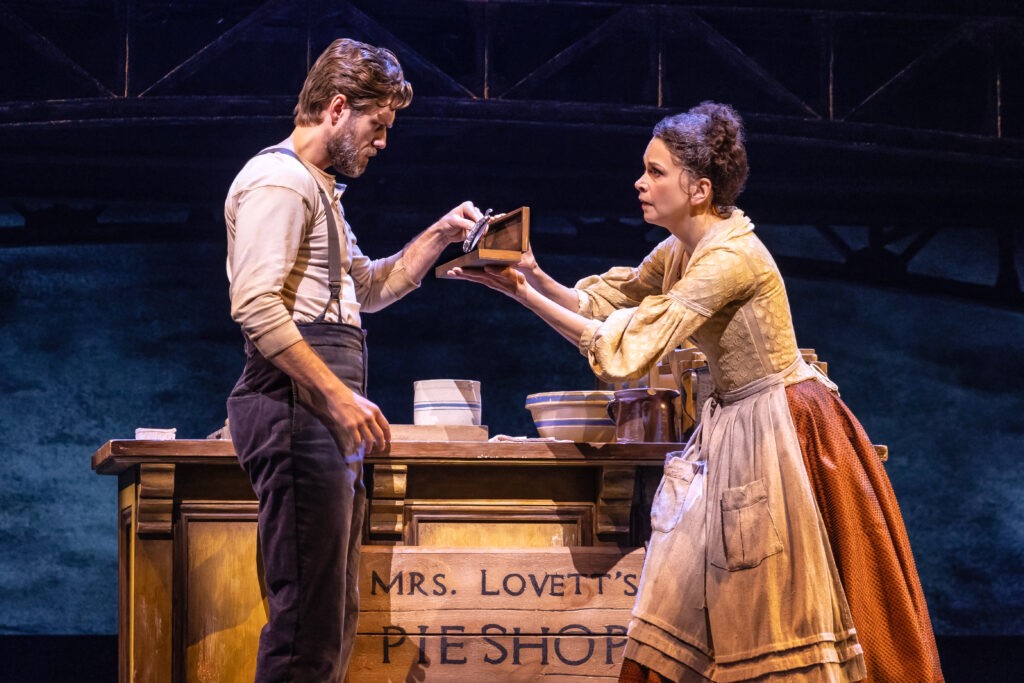
At first, the audience naturally sympathizes with Sweeney Todd. He is a victim, someone whose life was stolen by those in power. The London depicted in the musical is dark, cruel, and deeply unequal. Those with wealth and authority easily dominate others, while ordinary people are left powerless. In such a world, Sweeney Todd’s anger feels understandable, even justified.
However, the problem is that his revenge gradually loses its direction. In the beginning, his target is clear: Judge Turpin, the man responsible for his suffering. But over time, his hatred spreads beyond a single individual. Eventually, it no longer matters who sits in his barber chair. Revenge stops being a goal and instead becomes a way of life.
At this point, Sweeney Todd transforms from a simple revenge story into something far more disturbing. The audience can no longer see Sweeney solely as a victim. Although he was wronged, he also becomes a perpetrator responsible for countless deaths. Revenge initially appears righteous, but ultimately gives birth to more violence and madness.
And yet, perhaps because of this, audiences cannot look away from the musical. Sweeney Todd is undeniably brutal. Throats are slit, bodies are turned into meat pies, and death becomes a constant presence on stage. Realistically, these are horrifying and grotesque ideas. Nevertheless, the musical continues to attract audiences and remains widely loved. Why?

One reason lies in its unique use of black comedy. Although the story is violent and tragic, it is also strangely humorous. Mrs. Lovett’s scenes are a perfect example of this. She casually sells pies made from human flesh as though she were running an ordinary bakery. The audience is shocked by the situation, yet often finds themselves laughing at the absurdity of it all. This unsettling mixture of horror and humor creates a strange sense of entertainment that pulls viewers even deeper into the story.
The music also plays a major role. The musical numbers in Sweeney Todd maintain a sharp and uneasy atmosphere while remaining intensely memorable. The actors’ explosive vocals and the dramatic orchestration heighten the tension throughout the performance. As Sweeney Todd descends further into revenge and madness, even the music itself seems to grow darker and more chaotic. The audience is horrified by what unfolds on stage, yet emotionally carried along by its momentum.
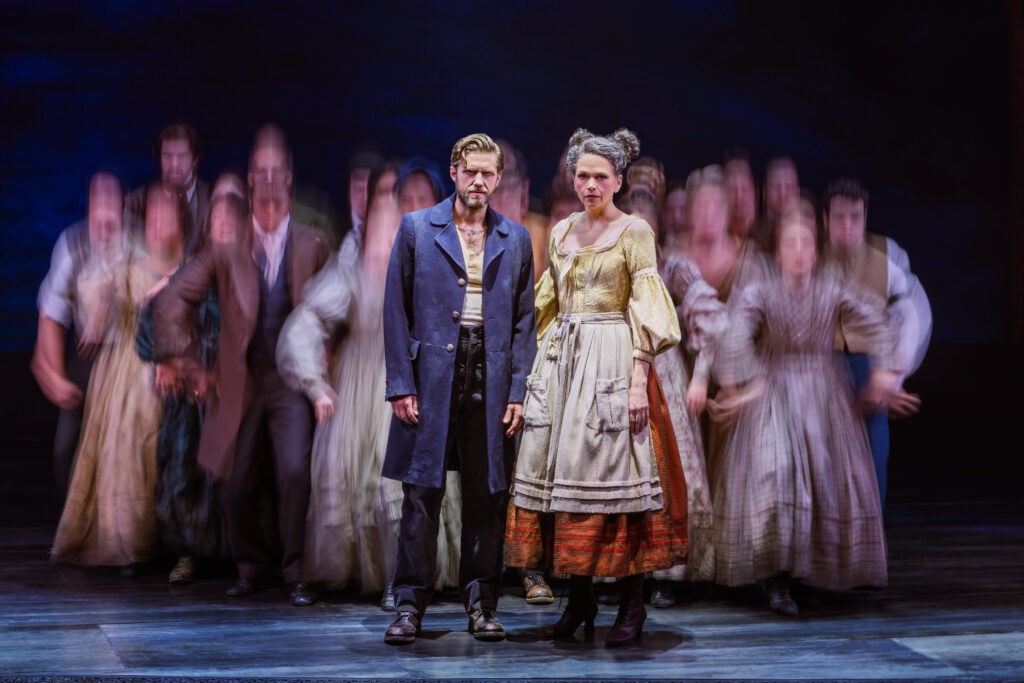
What makes the musical especially compelling is that Sweeney Todd is not portrayed as a purely evil man. In many ways, he feels painfully human. He lost the people he loved, had his life unjustly destroyed, and became consumed by anger toward the world. These emotions are understandable, even relatable. The audience may not agree with his actions, but they can understand how he became the person he is. This contradiction is precisely what makes the character both disturbing and fascinating.
In the end, however, revenge leaves nothing behind. Even when Sweeney Todd finally achieves what he has long desired, he gains no sense of peace or salvation. Instead, he destroys even the last traces of his humanity, ultimately harming the very thing he loved most. Revenge, which once seemed to give his life meaning, completely consumes him in return.

The musical constantly questions whether revenge can ever truly become justice. It shows how righteous anger can slowly transform into obsession and madness, and how easily a human being can collapse under the weight of hatred. Ultimately, Sweeney Todd is not simply about punishing evil—it is a tragedy about a man being destroyed by his own desire for revenge.
That is why, after the performance ends, audiences are left not with satisfaction, but with emptiness. No one is truly happy at the end of this blood-soaked revenge story. And perhaps that is the reason Sweeney Todd continues to resonate so strongly with audiences: beneath its violence and horror, it forces us to confront the darkest and most fragile parts of human nature.
