
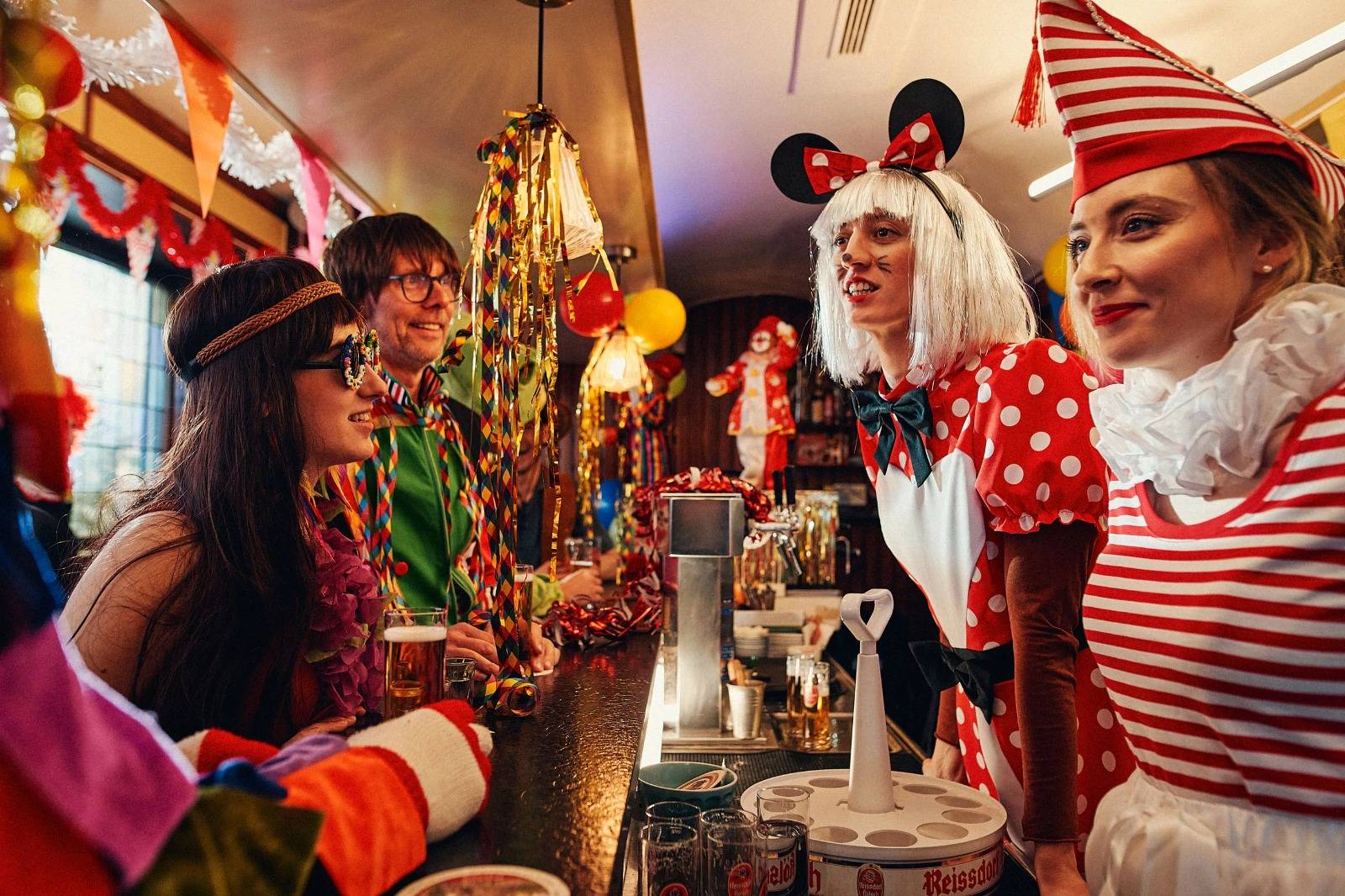
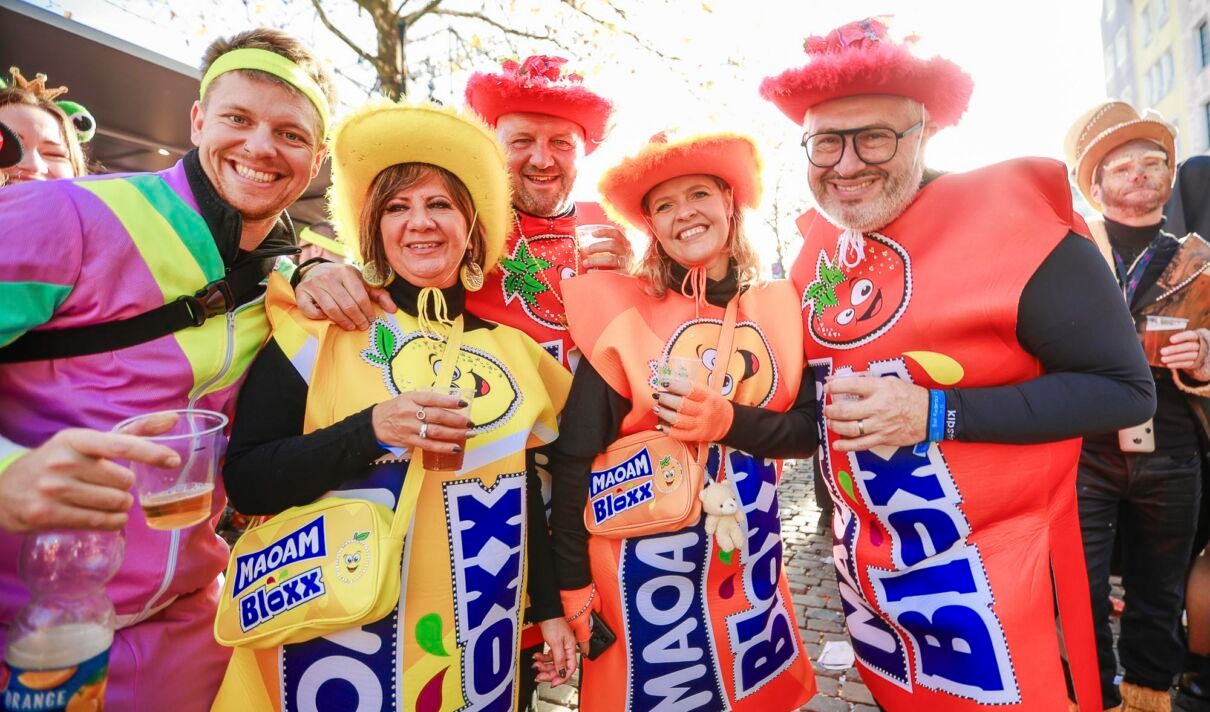
One day in February, the scenery of Cologne—where I had just arrived for a move—was nothing short of bizarre. A yellow mailbox from 'Deutsche Post' was waiting for a train, followed by a line of 'fritz-kola' bottles walking by. Wondering, "What on earth am I looking at?" I looked it up and realized this was the world-famous Cologne Carnival (Kölner Karneval)!
I had heard rumors that Cologne was a city of carnival, but I never dreamed I would fall right into the middle of it. Even before becoming an official resident, I found myself face-to-face with the protagonists of a massive street play.
To many, this scene might look familiar through the lens of "cosplay," much like the famous high school graduation photo traditions in Korea known for witty transformations.
However, here in Cologne, that energy doesn’t just fill a classroom—it blankets the entire city.
🚩 A History of Subversion and Liberation
For the people of Cologne, Carnival is more than just a festival; it is the most important time of the year. It is often called the "Fifth Season," representing a new season beyond spring, summer, autumn, and winter.
The celebration officially begins in November and carries a long rhythm until Ash Wednesday, just before Lent.
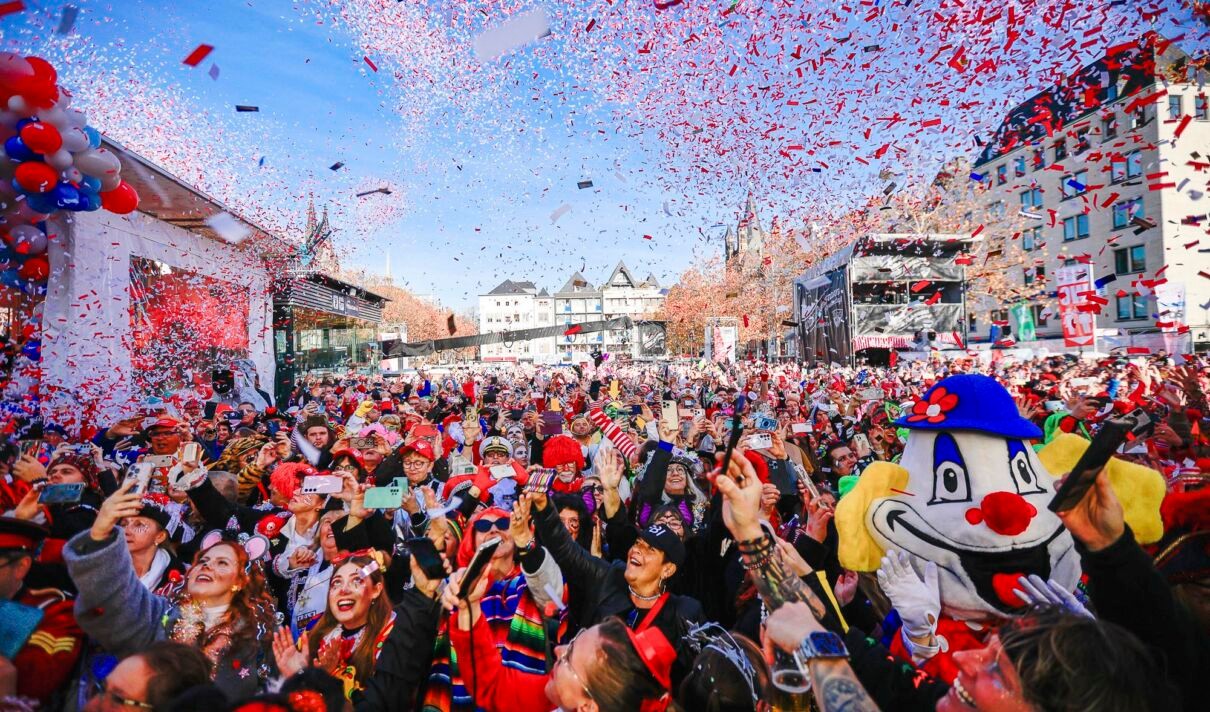
There are two main perspectives on the origins of the Cologne Carnival.
One traces it back to mythical roots like the Dionysian festivals of Greece or the Roman Saturnalia, while the other attributes it to the innate human impulse for play—the characteristic of 'Homo Ludens' (Playing Man). The most popular theory dates back to Ancient Rome, where the tradition of 'Saturnalia'—a festival where slaves and masters swapped roles—merged with the pre-Lenten festivities of the medieval Catholic Church. Later, during the Prussian military rule of the 19th century, citizens wore costumes that mocked military uniforms as a way to resist authority.
This "history of subversion" became the core spirit of the Carnival today.
Carnival carries significant cultural weight as a "culture of resistance" against the solemn order of church and state, acting as a "second life" through satirical laughter.
🚶♀️ Key Events: The Scenario of Cologne
Every year, the Carnival opening is declared on "November 11th at 11:11 AM." The number '11' symbolizes the jester. When citizens dressed in colorful clown costumes shout “Kölle Alaaf!” (Cologne Forever!), the festival officially commences.
Over the following months, various events take place, culminating in the "Crazy Days" in February:
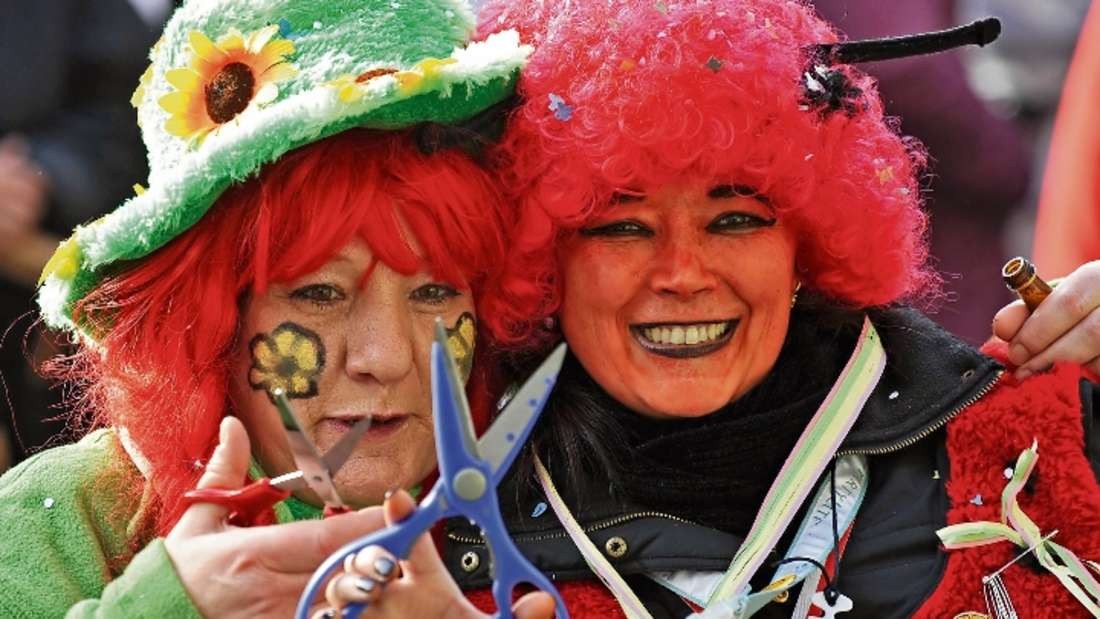
- Women's Carnival (Weiberfastnacht) – The Overture of Subversion: At 11:11 AM, the street festival begins at Alter Markt square. On this day, women take "sovereignty" over the city and engage in the symbolic performance of cutting off men's ties, signaling the collapse of everyday authority and order.
- Rose Monday (Rosenmontag) – The Highlight Parade: This is the climax of the Carnival! Approximately one million people pour into the streets. A massive procession stretching 6–7 km traverses the city, while floats throw "Kamelle" (candies) and "Strüßje" (bouquets) like rain. The moment everyone shouts "Alaaf!" to catch these gifts is a moment of pure unity.
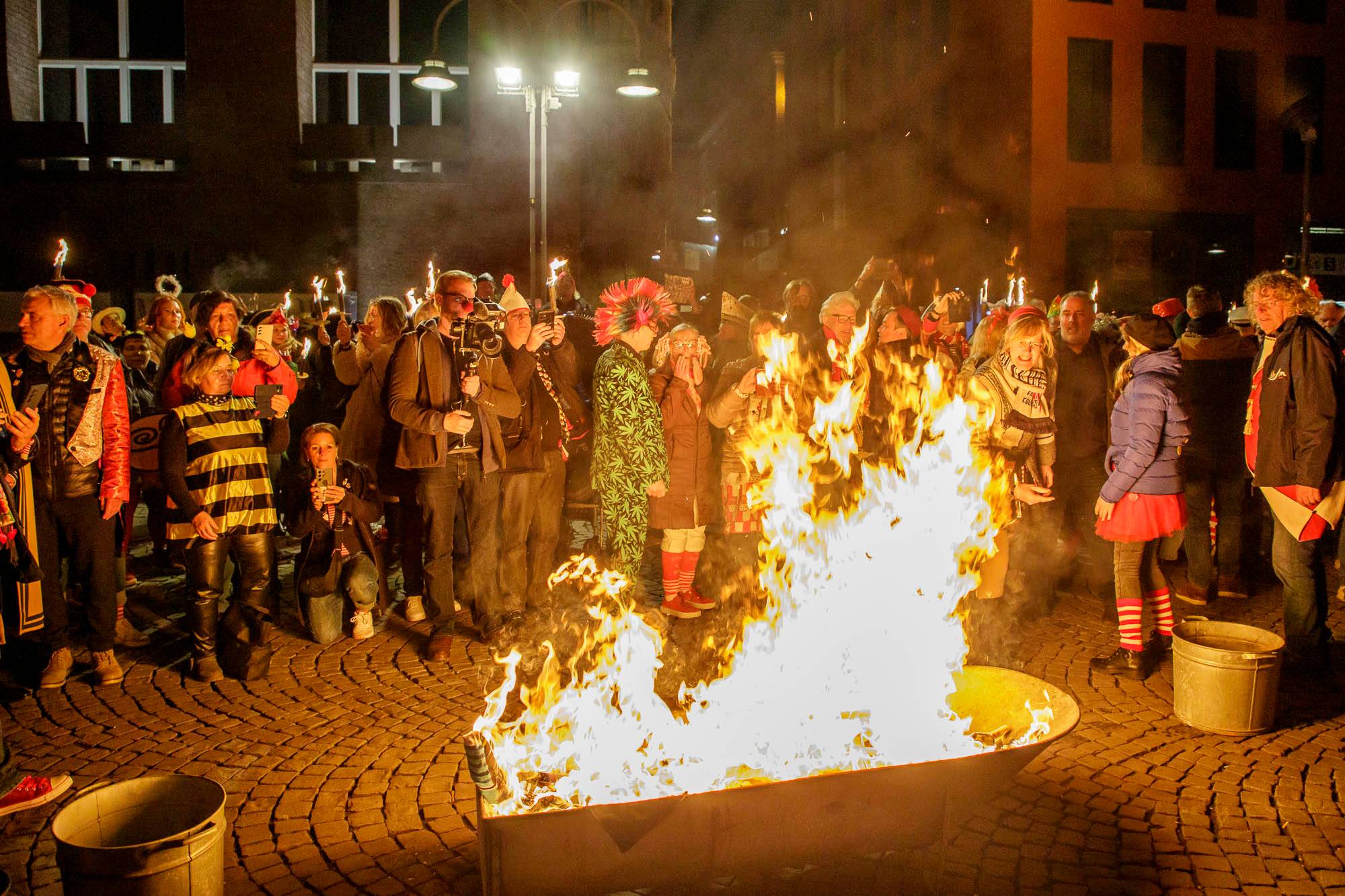
- Shrove Tuesday (Veilchendienstag) – Burning the Nubbel and Purification: On the final night, straw figures called "Nubbel" are placed outside pubs across Cologne. People "transfer" the sins they committed during the festival to this doll and burn it in a mock funeral procession—a ritual of purification.
- Ash Wednesday (Aschermittwoch) – The Curtain Falls: The heat subsides, and the city returns to daily life. Traditionally marked by eating fish dishes to welcome the start of Lent, this day signifies the end of the city-wide play. Under the slogan "Alaaf!", the true meaning of this festival lies in casting off social status or class and achieving "freedom" through equality.
🏛️ The City as a 'Theater': From an Immersive Perspective
One of the most prominent themes in today’s performing arts scene is undoubtedly immersive theatre, in which audiences physically enter the world of the performance.
Why have productions like Sleep No More—which achieved major success in London and New York and is now being staged in Korea—sparked such a global phenomenon?
The key lies in dismantling the one-way flow of information. Audiences are no longer passive recipients, sitting in dark auditoriums and absorbing what actors present.
Instead, they become active agents: putting on masks, wandering through vast spaces, and choosing which scenes to witness, assembling their own narratives in the process.
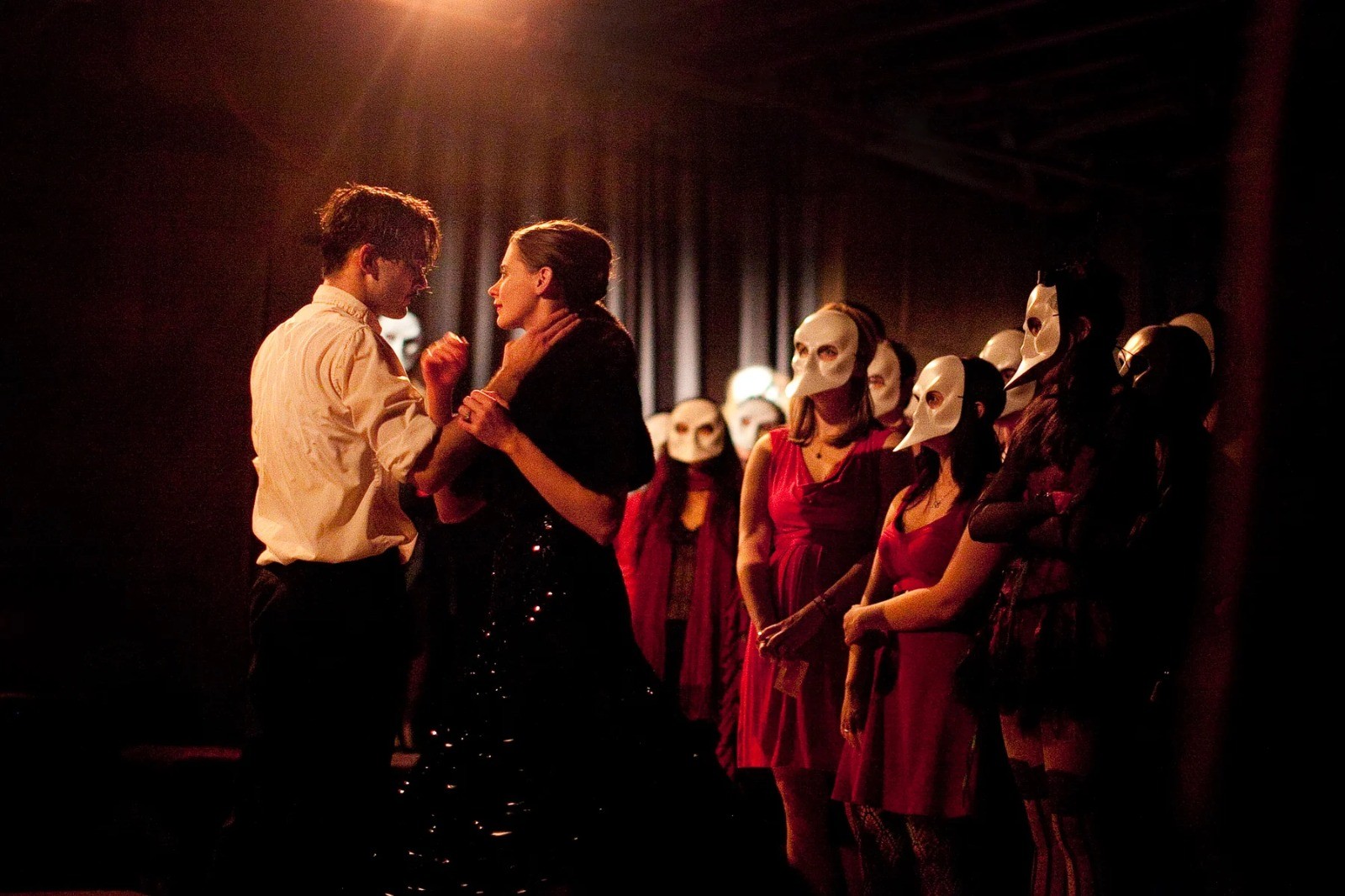
The Cologne Carnival represents one of the most archetypal models of this kind of contemporary immersive theatre.
Rather than a single theatre building serving as the stage, the entire city—trams, alleyways, and public squares—functions as an expansive set.
During the carnival period, everyday life is effectively suspended, creating a separation in time and space where only play and festivity are permitted.
Within this large-scale spatiotemporal transformation, the city itself becomes a massive “open world” capable of accommodating over a million participants.
On this stage, citizens who transform themselves into mailboxes or soda bottles are no longer mere spectators.
The act of wearing a costume becomes equivalent to constructing a character, and performing that role in the streets becomes, in a sense, a personal “debut” performance.
🗣️ The Power of Immersion: Participatory Energy and Liveness
What gives carnival its extraordinary immersive power is not the precision of theatrical design, but the intensity of its atmosphere—an energy generated by the people within it.
Here, life slips into play, and play, for a fleeting moment, takes on the weight of life itself.
The line between performer and spectator doesn’t so much blur as it quietly disappears.
What emerges in its place is a shared field of experience, sustained not by structure, but by presence.
At the heart of this lies a distinctly participatory energy.
Carnival is not about stepping into a predefined role, but about choosing to take part—to interrupt the ordinary, to inhabit something else, however briefly.
A costume is not merely a disguise; it is an invitation to shift perspective, to play with identity, to test the boundaries of how one appears and is perceived.
The more fully one leans into this, the more vivid the experience becomes.
For the people of Cologne, carnival is less a preservation of tradition than a living expression of the present.
It is where the concerns of the moment surface—playfully, critically, sometimes absurdly—and where identities are not fixed but negotiated in motion.
The festival moves with a sense of liveness: responsive, immediate, and always unfolding in the now.
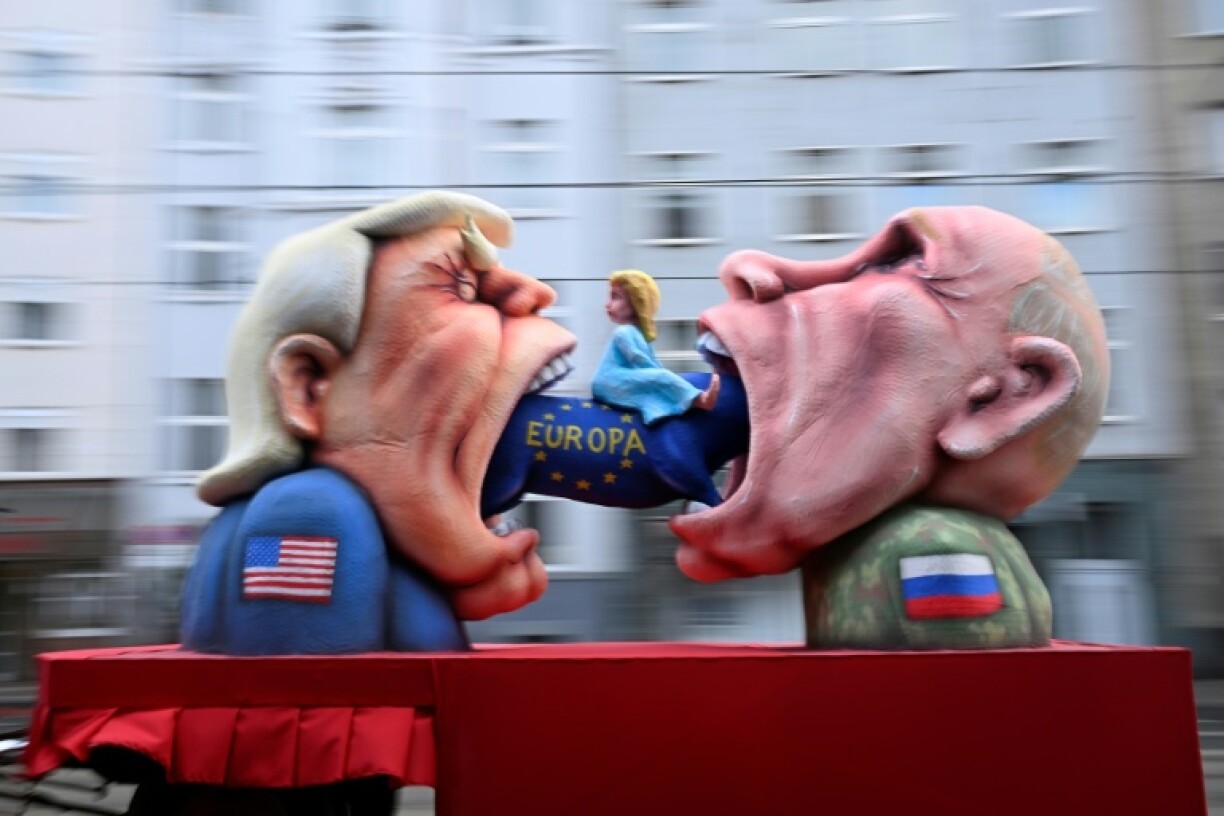
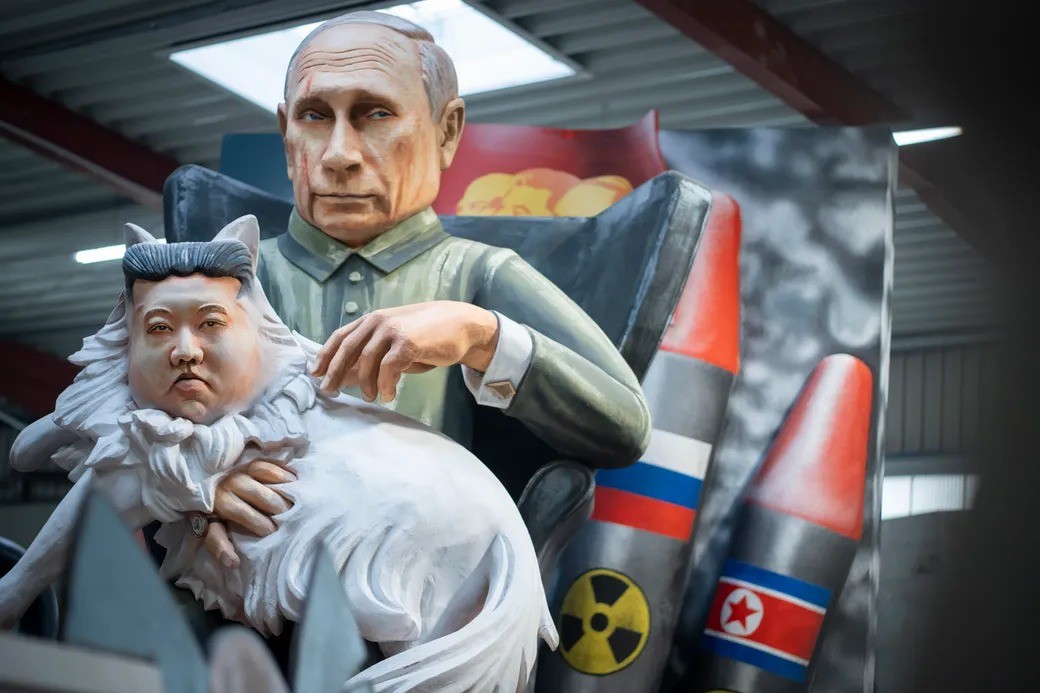
Nowhere is this more palpable than in the Motivwagen, the satirical floats that anchor the parade.
Each year, exaggerated papier-mâché figures take aim at political leaders such as Donald Trump and Vladimir Putin, alongside urgent global issues like the climate crisis.
As laughter ripples through the crowd and voices rise in recognition, the spectacle transforms into something more than visual delight.
It becomes a collective gesture—an open, participatory act of commentary through which ordinary people articulate critique and momentarily reclaim a sense of freedom.
During carnival, Cologne enters a brief suspension of its usual order.
The city opens itself as a stage, and with it, new forms of expression become possible.
Criticism that might otherwise remain unspoken finds release through humor and exaggeration, infusing the streets with a buoyant, generous energy.
And because this world is rebuilt each year by those who inhabit it, carnival never settles into repetition; it remains alive, unstable, and insistently present.
There is something deeply compelling about this temporary zone of freedom—where expression expands, where satire softens into laughter, and where participation itself becomes the medium.
Should you find yourself in Cologne in February, face to face with a walking mailbox, don’t hesitate.
Step in, take part, and let yourself be carried by the rhythm of this living, breathing performance. 🎟️
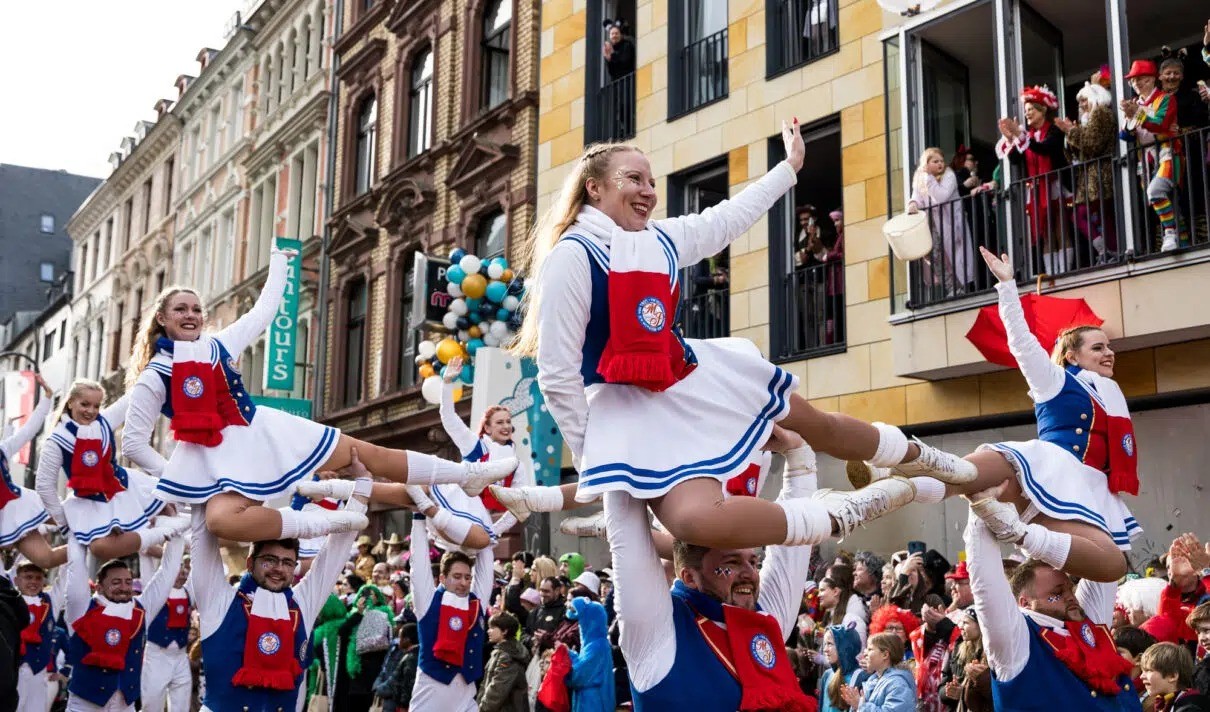
[P.S.] Fasching, Fastnacht, or Karneval? 🥨
The names for the festival season in Germany are clearly divided by region.
In the southwest, it’s 'Fastnacht'; in the southeast (like Bavaria), it’s 'Fasching'.
However, in Cologne and the Rhineland, you must use 'Karneval' or the Cologne dialect 'Fastelovend'.
For Cologners, this name is a proper noun containing their unique history and identity.
Using the local term is the best way to connect with the residents!
📅 Curious about the 2027 Carnival Schedule?
- Session Opening: Wednesday, Nov 11, 2026
- Women's Carnival: Thursday, Feb 4, 2027
- Rose Monday: Monday, Feb 8, 2027
- Ash Wednesday: Wednesday, Feb 10, 2027 (The end of the festival)
References
- Chun, H. S. (2010). "German Festival Culture and Regional Identity - Focusing on the History and Cultural Significance of the Cologne Carnival." International Area Studies, Vol. 14, No. 3, pp. 469–484.
- [Magazine] Reference regarding Immersive Theatre and : "Breaking the Boundaries of the Stage - Immersive Theatre," The Musical (https://www.themusical.co.kr/Magazine/Detail?num=5500).
- [Info] Reference regarding Carnival naming and regional differences: koeln.de