
Hello, I’m Yeri, an editor based in Germany, performing and documenting the world of theatre 😊
As spring arrives and nature awakens from its winter slumber, the Korean theatre scene also begins to pulse with vibrant energy.
From March to April, we witness the Korea Theatre Festival (Seoul Competition),
the boundary-breaking Seoul Marginal Theatre Festival, and eventually, the autumn highlight,
the Seoul International Performing Arts Festival (SPAF).
Festivals that color the city with art have always been close to our hearts.
In this season of renewal, capturing raw vitality within the "vessel" of a stage is perhaps the most thrilling blessing for both creators and audiences alike.
As summer approaches, that heat will only intensify.
So, what does the theatrical landscape look like in Germany?
Germany also boasts theatre festivals with distinct characters throughout all four seasons.
Today, for those planning a theatrical journey to Germany in 2026, I have curated a selection of must-visit festivals.
1. [The Most Historic] Theatertreffen Berlin
Symbolizing the pride of German theatre, Theatertreffen is the most prestigious festival in the German-speaking world, dating back to 1964.
Each year, an independent jury selects the "10 Remarkable Productions" (10er-Auswahl) from approximately 400 plays across Germany, Austria, and Switzerland to be staged in Berlin.
Experimental, post-dramatic theatre—carrying the legacy of masters like Bertolt Brecht—remains a strong force.
In 2026, many productions are expected to gain attention for focusing on "Climate Crisis and Theatre Practice," adopting sustainable production methods.
- 💡 Tip: The local cafes near the Berliner Festspiele are beloved hangouts for theatre professionals—highly recommended for a visit before or after the show!
- 📅 Dates: May 1 – 17, 2026
2. [The Most Literary Scent] Lessingtage
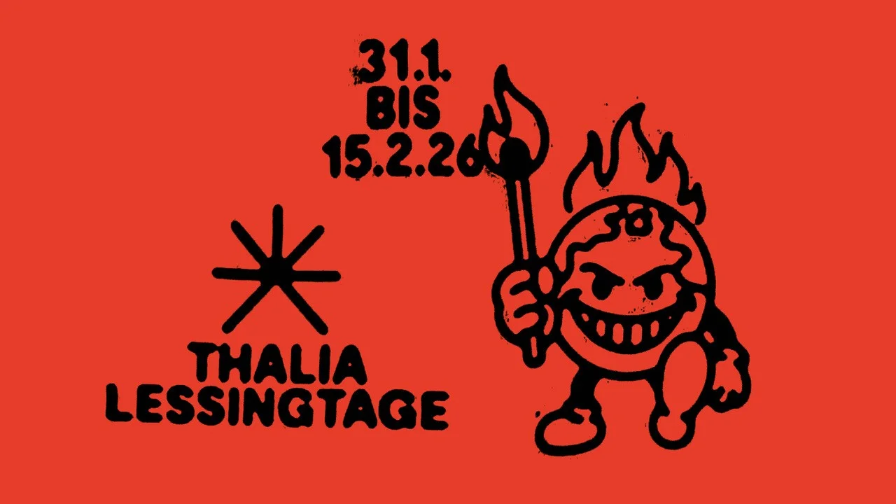
Hosted by Hamburg's Thalia Theater, Lessingtage is a festival with a profound literary atmosphere.
Named after the Enlightenment writer Gotthold Ephraim Lessing, it poses deep questions about social conflict and coexistence.
In 2026, the festival explores "Post-populism," investigating Poland's democratization process and the future of Europe.
A highlight for this year is the "Festival Center," a collaboration with the Kunstakademie Düsseldorf.
This innovative "Housemate" concept space allows audiences to eat, sleep, and communicate alongside artists.
The focus is mainly on socially critical and international collaborative works.
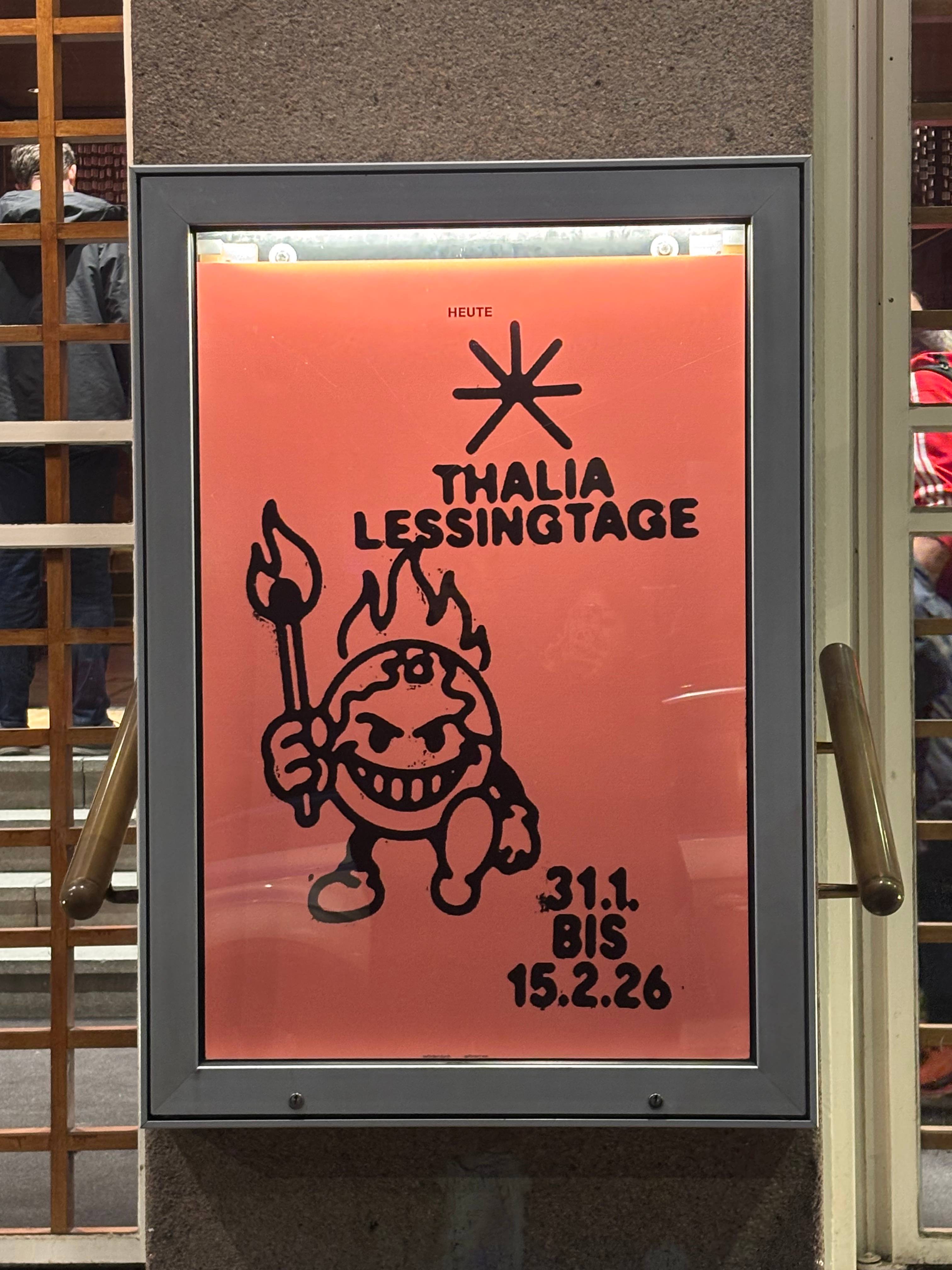
- 💡 Tip: The area around Thalia Theater is famous for its beauty. Pairing your visit with a stroll along the Alster Lake right in front of the theatre will make for a perfect day.
- 📅 Dates: January 31 – February 15, 2026 (Held annually late Jan to early Feb)

✍️Comment: I attended this festival and saw in 'VIOLENZA 2025'.
The play featured far-right youths as protagonists, giving them a platform to voice their ideologies, which led to non-stop booing and heckling from the audience.
It was a wild experience that really showed me what German experimental theatre is all about.
3. [The Most Modern Perspective] FIND Festival (Festival Internationale Neue Dramatik)
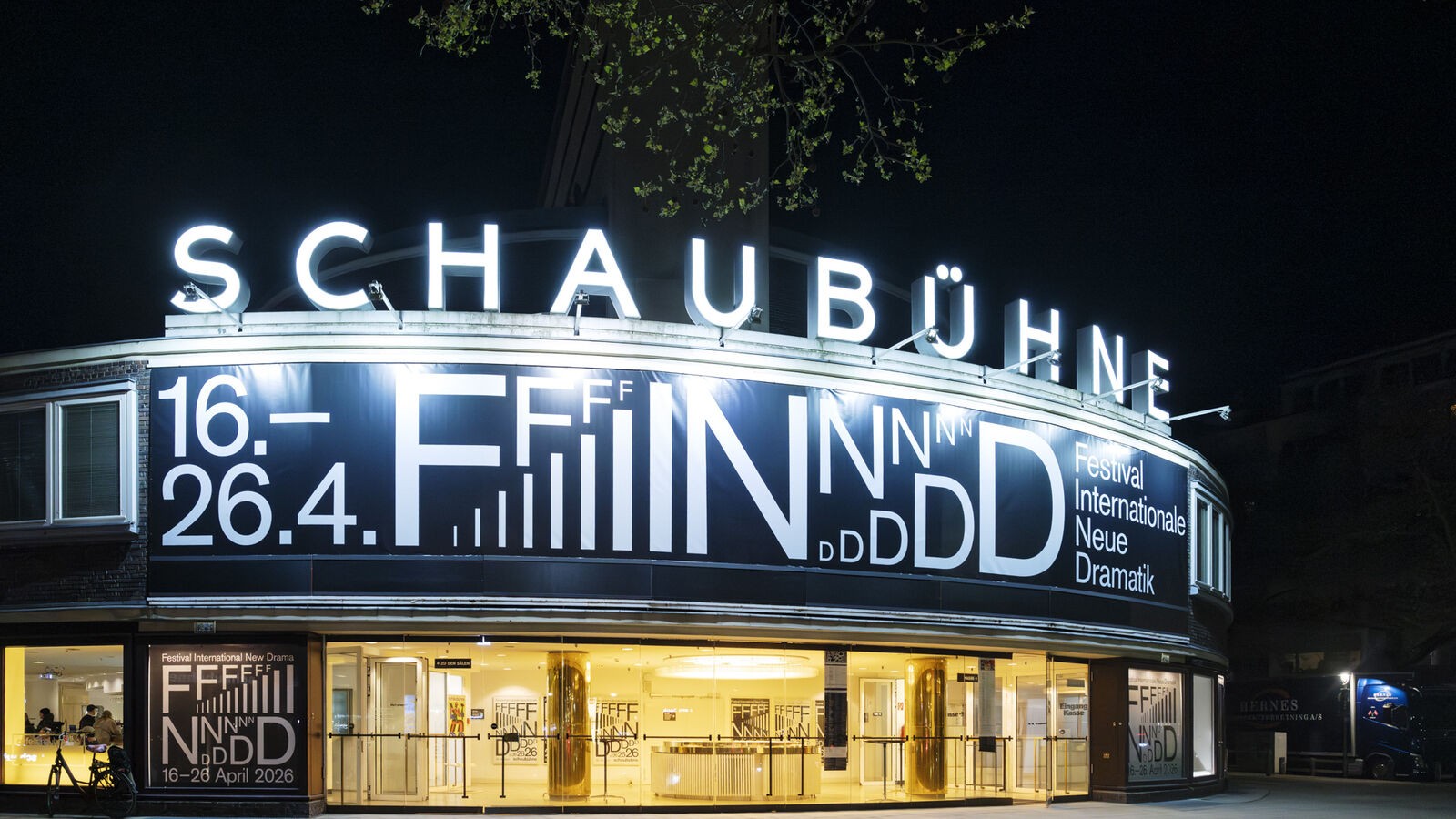
The FIND Festival at Berlin's Schaubühne is a premier platform for encountering the most contemporary discourses. Under the artistic direction of Thomas Ostermeier, innovative works from around the world gathered in Berlin once again.
A standout highlight this season was "changes," written by Maja Zade and directed by Ostermeier.
This year’s festival featured the German premiere of "Egal (Indifferent)" by Marius von Mayenburg, a cornerstone playwright and director of the Schaubühne. Through this work, he questions how hypocritically the "equality" we habitually speak of operates within our private lives.
Another highly anticipated production was "Gewalt und Leidenschaft (Violence and Passion)" by the renowned British director Katie Mitchell. She explored structures of power and violence through a female lens, marking a new frontier for modern theatre.
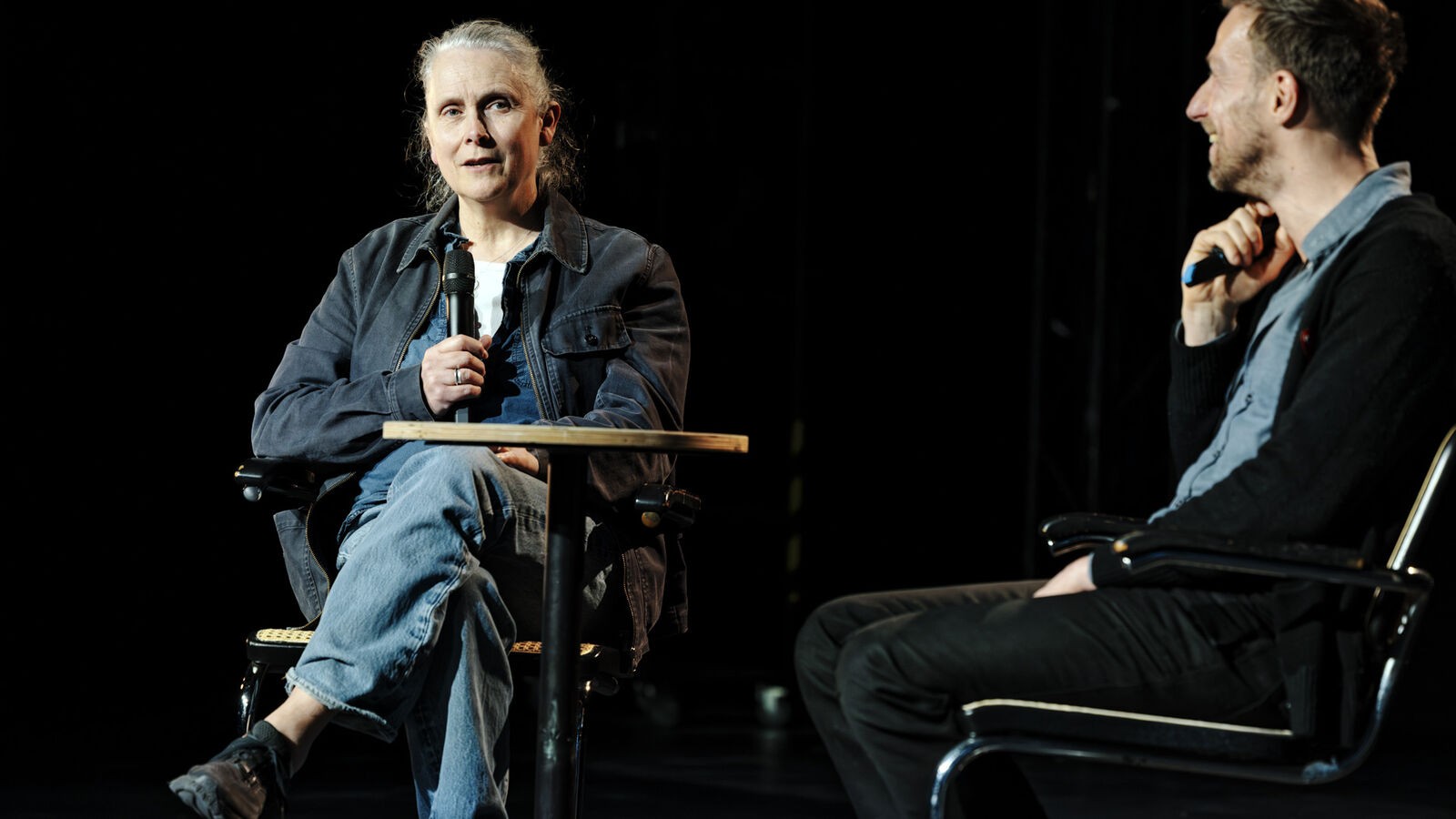
Furthermore, reflecting the current global political climate, the latest production by world-renowned director Milo Rau, "Die Seherin (The Seer)," drew significant attention. It explored the fragility of our certainties when war and terror destroy daily life, using Schaubühne’s characteristically sharp perspective to highlight the contradictions of art and a world that observes and profits from the suffering of others.
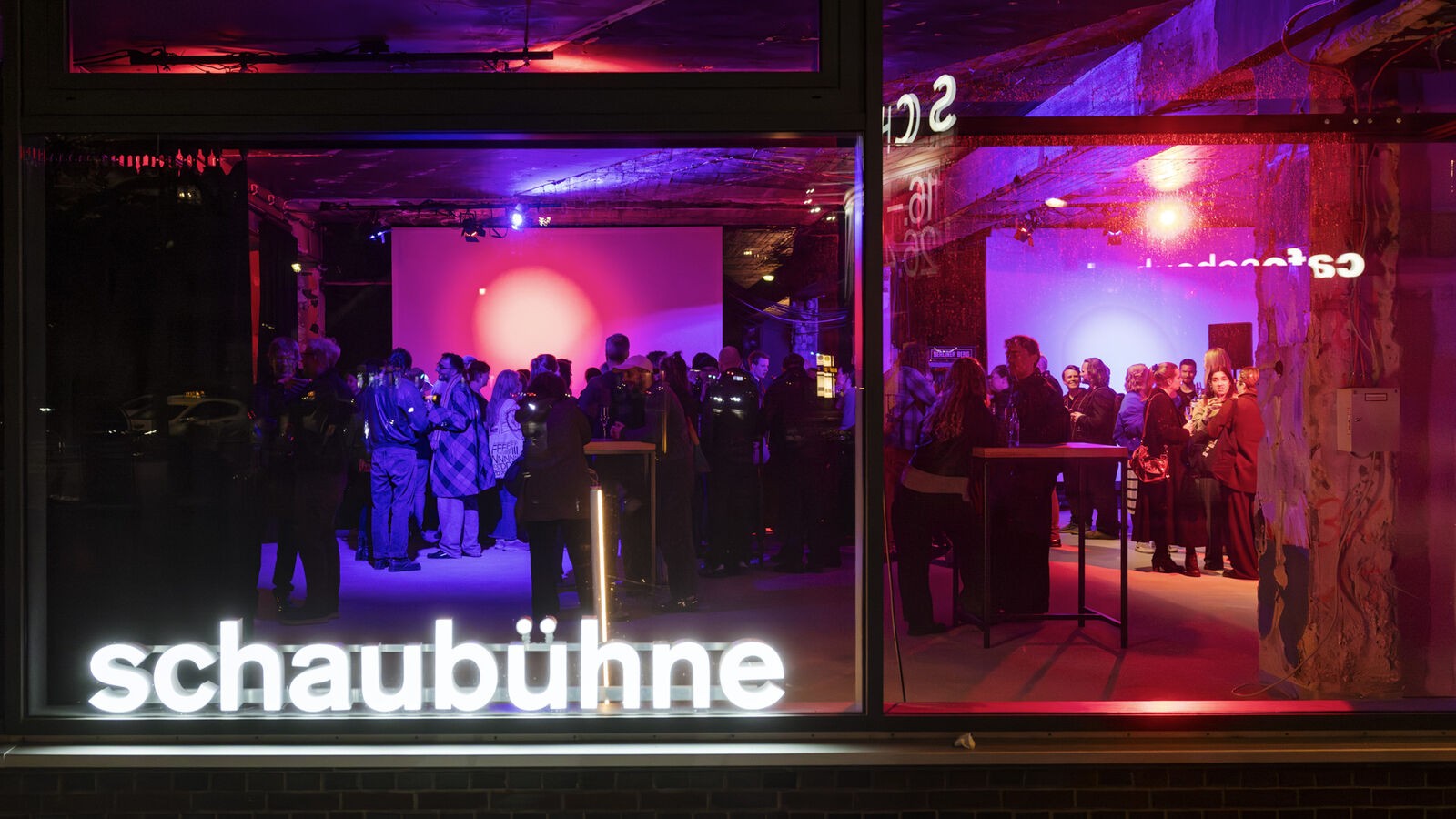
- 💡 Tip: As Schaubühne prioritizes international exchange, they actively provide English surtitles for their own productions as well as invited foreign plays. Checking the schedule in advance will allow for a much deeper viewing experience!
- 📅 Dates: April 16 – 26, 2026 (Held annually in Spring)
4. [The Most Experimental Challenge] Impulse Festival for Performance, Theatre & Dance
Spanning across Cologne, Düsseldorf, Mülheim, and with Bochum returning as a host city for the first time in ten years, the Impulse Festival for Performance, Theatre & Dance is the premier platform for the independent scene (Free Scene) in the German-speaking world.
Founded in 1990, it has served as a core pillar for independent art for over 30 years. In 2025, the festival officially transitioned from its former name, "Impulse Theater Festival," to its current title, embracing a broader identity that dissolves the boundaries between theatre, performance, and dance.
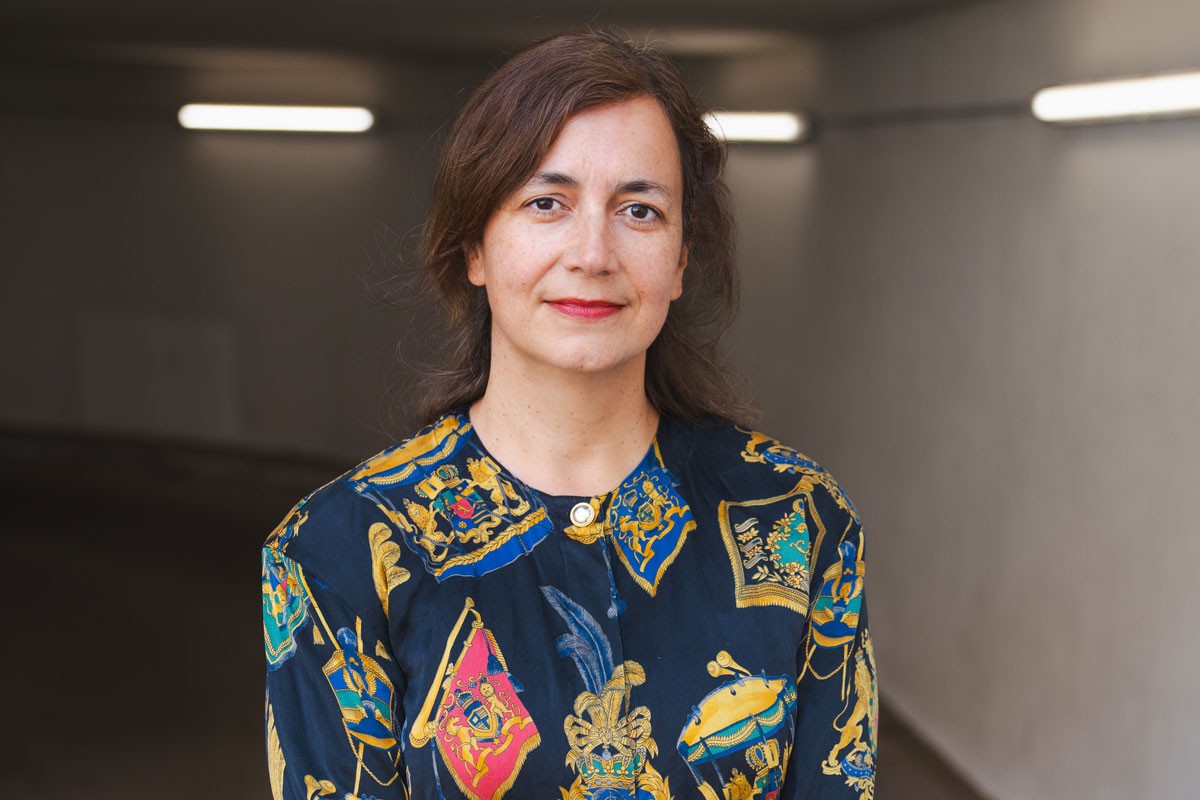
Artistic Director Franziska Werner, who took the helm in September 2024, uses this year’s festival to confront the grand discourse of "Work." She posits that society, community, democracy, and even art itself are forms of labor, and that art possesses the power to make this invisible work visible.
This season focuses particularly on the impact of AI on artistic labor and the presence of marginalized working bodies.
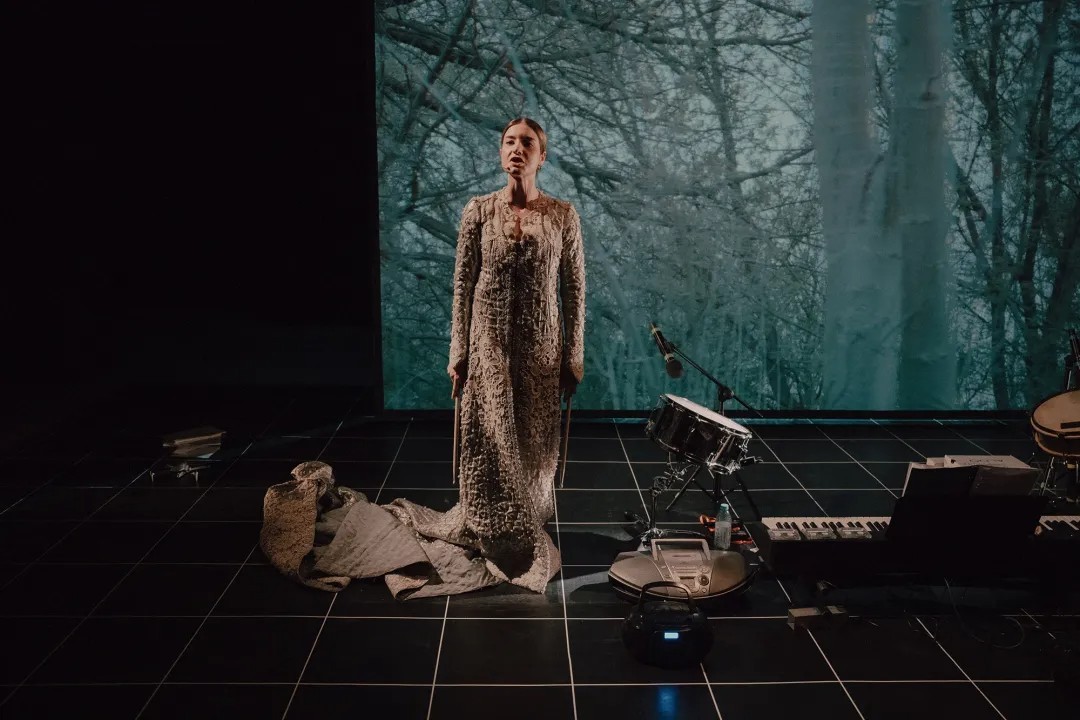
Furthermore, through the "Post-West" focus—featuring works like those by Polish director Magda Szpecht—the festival queries our solidarity regarding contemporary tragedies such as the war in Ukraine, extending empathy beyond Germany to Eastern Europe.
Out of over 500 submissions, the ten selected showcases will sensorially explore the political themes of "Work-Time vs. Life-Time" through music, soundscapes, and participatory environments.
- 💡 Tip: If you attend a session in Cologne, you must try Kölsch, the local beer. It’s "unwritten law" to drink it from the traditional tall, thin glass called a "Stange" at a nearby Brauhaus after the show!
- 📅 Dates: June 2026
✍️Comment: This is the festival I am most excited about!
5. [The Most Youthful] Treffen junger Autor:innen
Treffen junger Autor:innen (Meeting of Young Authors) is a festival with the most youthful energy, discovering emerging writers between the ages of 11 and 21 who represent the future of German theatre.
Hosted every autumn by the Berliner Festspiele, this festival begins with an Open Call early each year, attracting hundreds of texts from young writers across the German-speaking world. Its most defining feature is that there are no restrictions on literary format. Whether it follows traditional playwriting structures or takes the form of poetry, prose, rap lyrics, or fragmented experimental narratives that defy definition, any text that possesses the raw energy of "speaking out" can take center stage.
The approximately 20 writers selected through this process are invited to Berlin for intensive mentoring by established professionals.
They experience the entire journey of seeing their written words come to life through staged readings (Szenische Lesung) performed by professional actors.
This platform, where Gen Z writers unreservedly pour out their perspectives on social issues through their own unique rhythms, vividly demonstrates how the German theatre scene systematically nurtures its future masters.
- 💡 Tip: If you are a young creator writing in German, do not miss the application period held early each year (usually from January to March)!
- 📅 Dates: November 2026
German theatre festivals are more than just places to enjoy performances; they are artistic public squares where we share the most pressing concerns of our time and seek alternatives.
The festivals of 2026, in particular, throw timely questions at us: ecological practices like carbon-neutral production in response to the climate crisis, the coexistence of AI and humans, and how to find "solidarity" again in an increasingly fragmented society.
I hope you experience the scene where art touches the problems of reality with both sharpness and warmth across Germany!
P.S.
The map of German theatre is much wider and deeper than you might think.
Beyond the five festivals introduced here, diverse artistic events take place throughout the year all over Germany.
For detailed schedules of regional festivals not covered in this article, check out the festival planner by the German professional theatre magazine, "Die Deutsche Bühne"! 🙂
