
🏙️ New York’s Living Room, The ‘Twist Identity’ of Lincoln Center
Walking through the forest of skyscrapers at 66th Street in Manhattan, New York, a dazzling white marble plaza suddenly unfolds before your eyes. This is the Lincoln Center, a dream stage for artists worldwide. While it stands today as both a New York landmark and a cultural epicenter, a painful history lies buried beneath this elegant plaza.
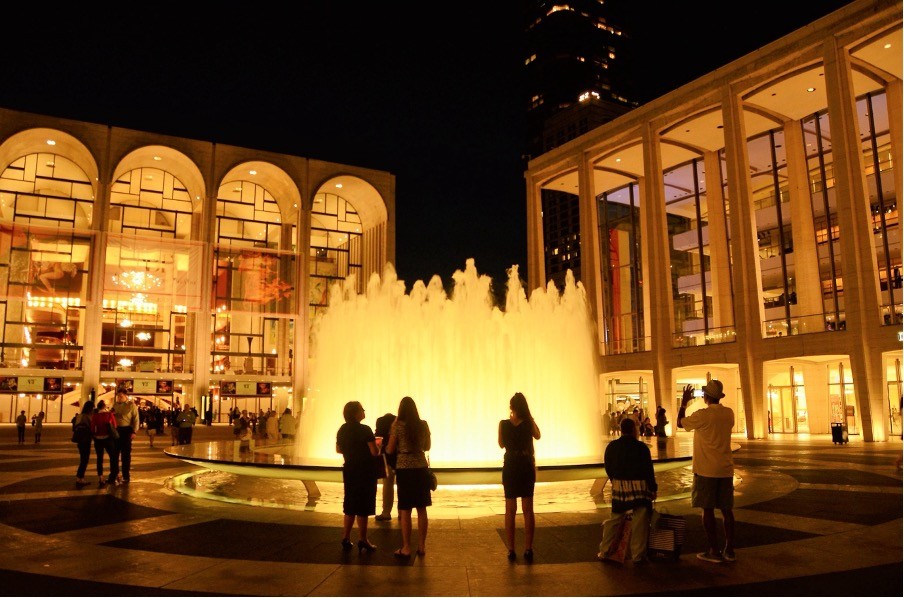
💎 Rockefeller’s Determination: “No More Soul-Less New York!”
The story begins in the 1950s with a grand vision by John D. Rockefeller III. At the time, while the United States enjoyed unprecedented economic prosperity, Rockefeller felt that New York lacked cultural dignity. He believed that economic abundance alone could not save the human soul and devised an ambitious plan to transform New York into a global cultural capital rivaling Paris or Athens. Consequently, he began designing a massive artistic ecosystem.
🎬 The Vanished Neighborhood ‘San Juan Hill’ and West Side Story
However, this brilliant vision required someone’s sacrifice. The site chosen for Lincoln Center was then a slum area called “San Juan Hill,” where many low-income African American and Puerto Rican immigrant families resided. New York City demolished the entire neighborhood under the guise of urban renewal, resulting in the displacement of approximately 7,000 households from their homes.
Ironically, just before the neighborhood completely vanished, the legendary musical film West Side Story was filmed on those desolate streets. In other words, on the very site where impoverished youths once sang and danced of love and conflict, the world’s most luxurious sanctuary of art was paradoxically established.
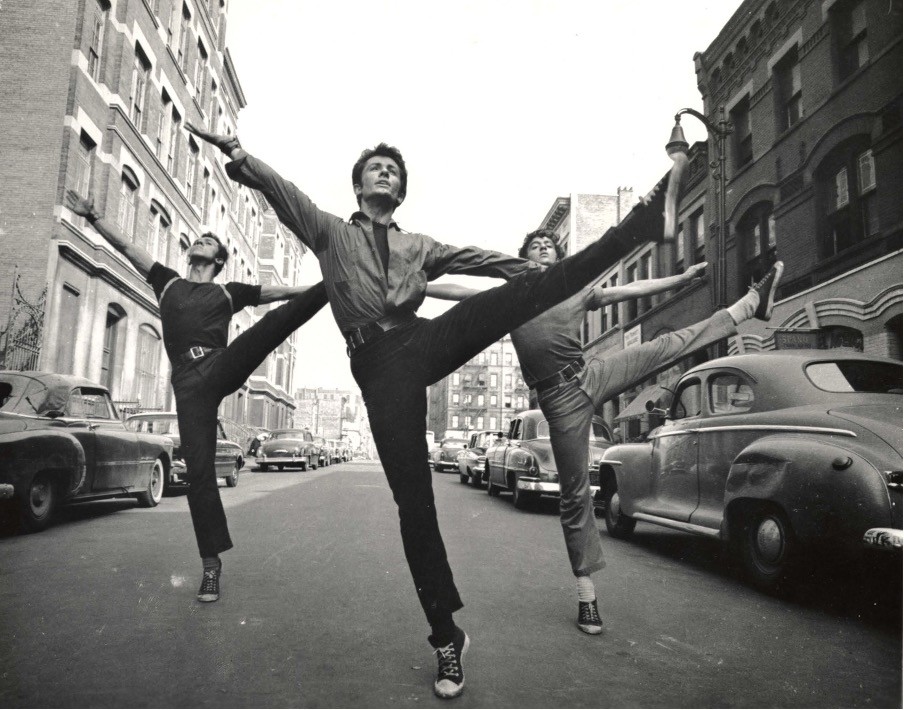
🎻 The Artistic Triangle: Three Hearts Blooming on a Foundation of Tragedy
Upon the memory of the erased village, Rockefeller’s vision took shape as three massive temples of art. These institutions became the hearts sustaining Lincoln Center, each exuding the essence of different genres:
| Venue | Key Organization | Identity |
| Metropolitan Opera House | Metropolitan Opera Orchestra | A powerful engine breathing life into singers’ voices |
| David Geffen Hall | New York Philharmonic | The mecca of classical music reborn with modern acoustics |
| David H. Koch Theater | New York City Ballet | A sanctuary of modern ballet carrying George Balanchine's legacy |
Specifically, the exquisite melodies of the Metropolitan Opera Orchestra resonating from the pit beneath the stage are like the energy flowing through the veins of Lincoln Center. The dedicated stage of the New York City Ballet, inheriting Balanchine's legacy, is also where dancers' wondrous moments of pushing physical limits are recorded every night.
💃 A Voyage from ‘The Sanctuary of Elites’ to ‘The Plaza of Citizens’
Over the past 60 years, the character of Lincoln Center has undergone a dramatic evolution. Originally a “sanctuary of art” where only elites in stiff tuxedos solemnly stepped, it has now lowered its heavy threshold. The marble plaza, once a cold symbol of authority, transforms into a passionate dance floor in the summer, while the lawn next to the opera house has become a “city living room” where nearby students eat sandwiches and read textbooks. Now, even without an expensive ticket, we can enjoy coffee by the plaza fountain with the faint sound of orchestra rehearsals as background music, becoming a part of the grand artistic heartbeat of Lincoln Center.
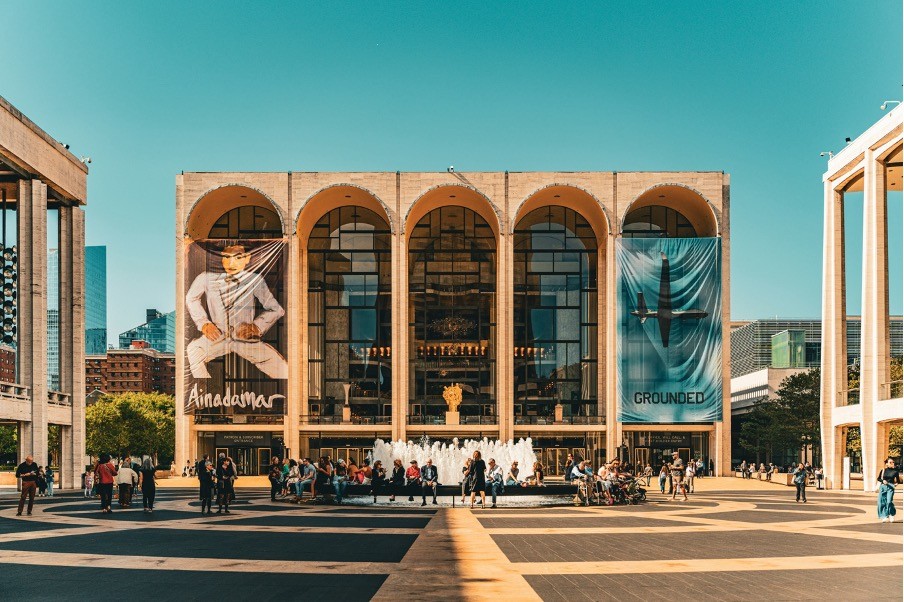
✨ Imagining the Stories Sleeping Beneath the Marble Floor
The white marble of Lincoln Center appears solid, yet Rockefeller’s fervent vision and the history of the vanished San Juan Hill breathe together within it. The reason we are moved by this landmark is not just because the buildings are stunning, but because they are the result of the intersection between what has vanished and what has newly bloomed. If you ever visit Lincoln Center, imagine the melodies of West Side Story drifting over the sound of the fountain. In that moment when the vitality of the alleys that disappeared 60 years ago meets the brilliant melodies of today, your New York will feel entirely different than before.
If you'd like to read this article in Korean, feel free to visit my blog at
