
Ballplay club Playwright·Director Hoongoo Kang Interview
Ballplay club is a theatre company where artists in their twenties and thirties came together with the idea of "making theatre the way you play a game." In the early days, the company took on a wide range of plays across genres and forms, but whenever they tackled classical works, the young actors kept running into the same wall: roles limited to servants, daughters, or young lovers. That's when director Hoongoo Kang made up his mind: "Let's write the stories we know best — the stories our generation is living through right now." When the company staged works drawn from their own bodies and their own language — productions like Boy and Girl Evolution Theory (2018) and Phone Pusher (2019) — and watched audiences respond as if the stories were their own, Ballplay club found its direction and never looked back.
Young-adult theatre: the rawest stories, brought to the stage
When Ballplay club talks about young-adult theatre, they don't mean a genre defined by age — they mean theatre made for people who are still figuring out who they are. Young-adult theatre remains a blind spot in the performing-arts world. Young-adult literature is accessible through e-books and web novels, but it isn't easy for young audiences to find their own way to a theatre. Children's theatre and youth theatre tend to travel through school and public-institution bookings, but people in their twenties fall somewhere between adolescence and adulthood, and they rarely receive much attention — from society or from the arts.
"I'd define young-adult theatre as theatre that speaks aloud — on stage — the desires, secrets, and anxieties that people from their teens through their twenties and thirties can't easily bring out into the open.
When you think about it, the questions that weigh on us begin in childhood. What does happiness mean? What kind of work should I build my life around? How do I relate to my parents? Who do I love, and whose side do I stand on? These are questions that don't end when you become an adult — and yet the period when you first encounter them, in their rawest form, is precisely that time. Even so, theatre that confronts those questions head-on has been rare. So we decided: let's be the ones to put those questions on stage. That's how the company found its direction."
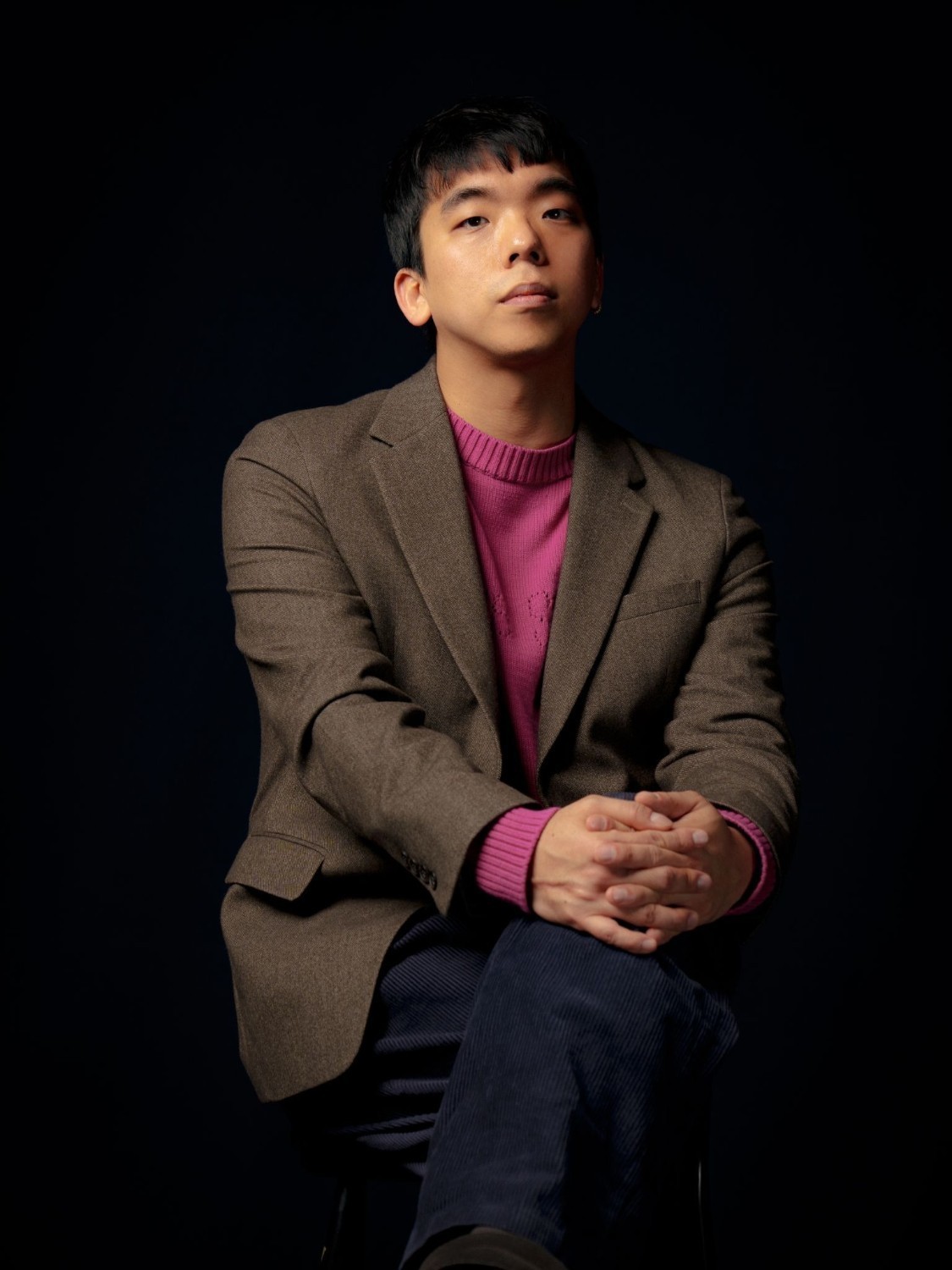
Hoongoo Kang, who writes and directs for Ballplay club, says that people are his greatest source of inspiration for making young-adult theatre — because theatre is, at its core, an art about people. He listens to the students he meets while teaching, the children and teachers he encounters in educational theatre workshops, and the young actors who come to auditions, learning what makes them laugh and what makes them fall apart, and from that he plants the seeds of each new work.
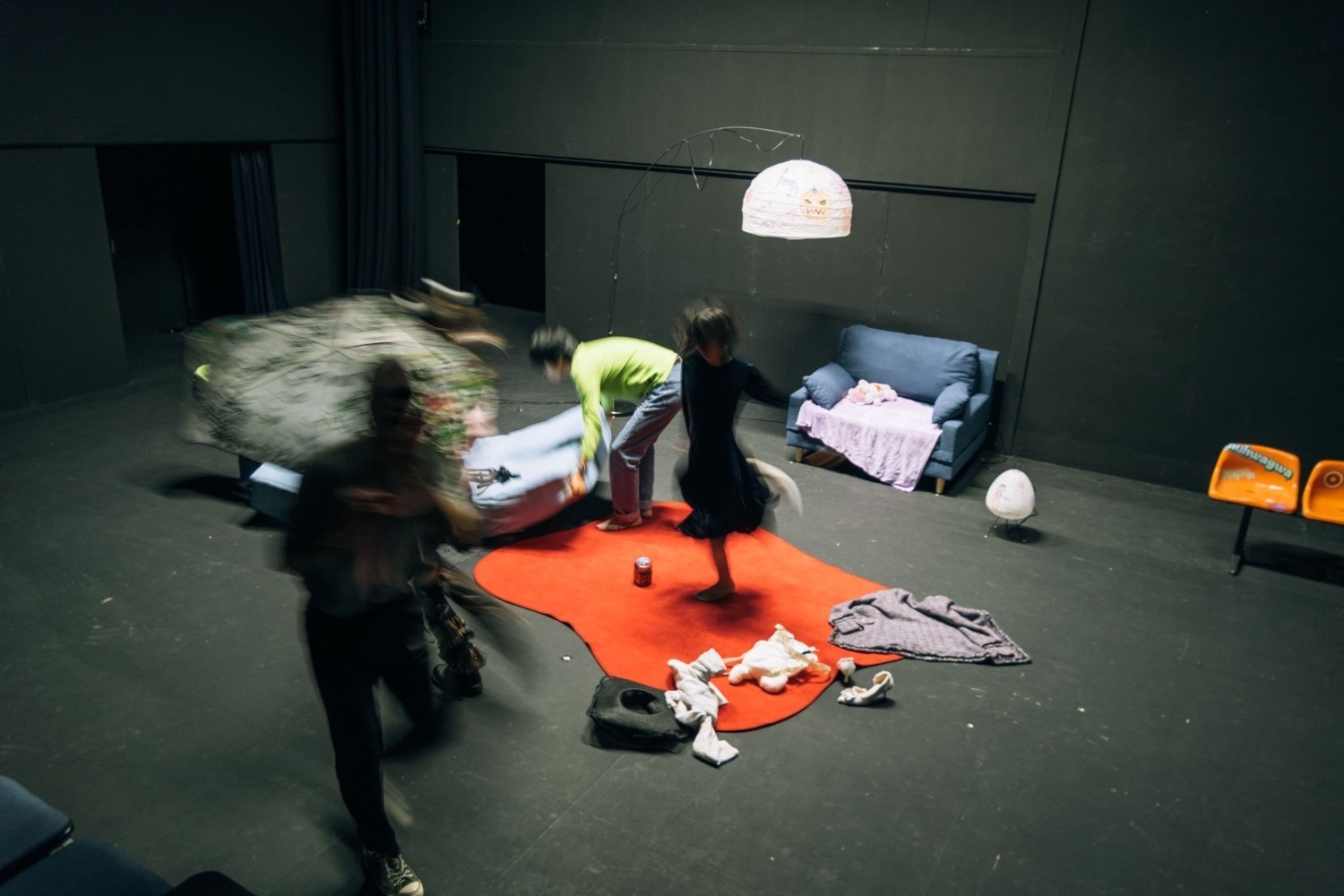
"We place a lot of importance on having the people themselves take part directly in the creative process. Our most representative example is The Strange Children's Play — Ogamdo, which grew out of the question: 'Why are there no children in children's theatre?' In that production, ten child performers with no stage experience and ten adult actors didn't memorize a script — instead, they went through a workshop process in which the children wrote their own stories. People around us said it was impossible to make theatre with amateur child performers, but once we made the purpose of the work and each person's role absolutely clear, the children saw it through to the end with a real sense of responsibility.
Fig 2 carried that same approach into youth theatre. I wrote the script through workshops with the actors, so the experiences, speech patterns, and gestures of performers who had just passed through adolescence became the text itself. It's a way of filling the gap that comes from not belonging to that generation — by letting the voices of those who do.
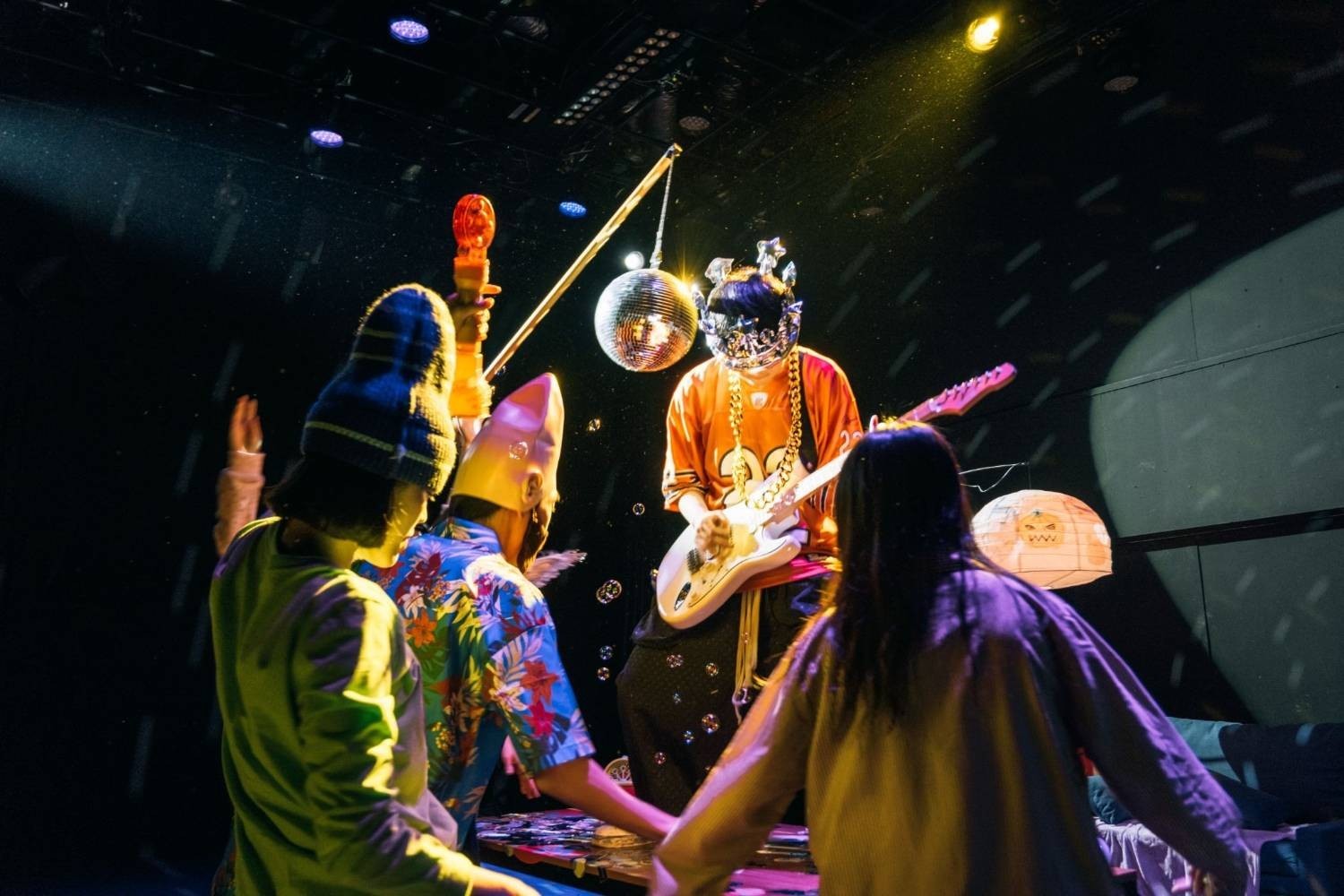
At the Anchakan Youth Theatre Festival — 'Anchakan' means not kind —, each production has a team of teenage consultants working alongside it. They read through the scripts with us, offer notes like 'kids don't actually talk like that these days,' check whether the slang and social-media references ring true, and share their thoughts after watching rehearsals. In short, Ballplay club's theatre is theatre made together with children and young people."
Anchakan Youth Theatre: where it's okay not to be good
The young people in the kind of "well-behaved youth theatre" adults want to see are pure and innocent — and even when they go astray, they ultimately learn a lesson and find their way back. Director Kang believes that kind of youth theatre keeps young people at arm's length, treating them only as an audience to be addressed. To be performed in schools and public institutions, a play must carry a moral, must be the sort of thing that could appear in a textbook. Within that framework, it becomes nearly impossible to deal honestly with the desires, secrets, and taboos that young people are actually wrestling with today.
"Romeo and Juliet aren't well-behaved at all, are they? A play can't be made from good characters alone. I also like that when you write the Korean title together — 안착한(anchakan) — it becomes the word for 'to settle in' or 'to land safely.' It can be read as theatre where young people, exactly as they are — not well-behaved — find their place on stage."
To audiences of the same generation, the work says: "Your story can be on stage too." The belief is that simply having a character voice the worries you've never been able to tell anyone is itself a form of comfort. For older audiences, it brings back the reminder: "We weren't well-behaved young people either." Adults tend to live as if under anesthesia, unaware of their own pain — but seen through a young person's eyes, that same society looks entirely different. Anchakan Youth Theatre is theatre for those of us who were once not-so-well-behaved young people ourselves.
Youth theatre without a message: Fig 2
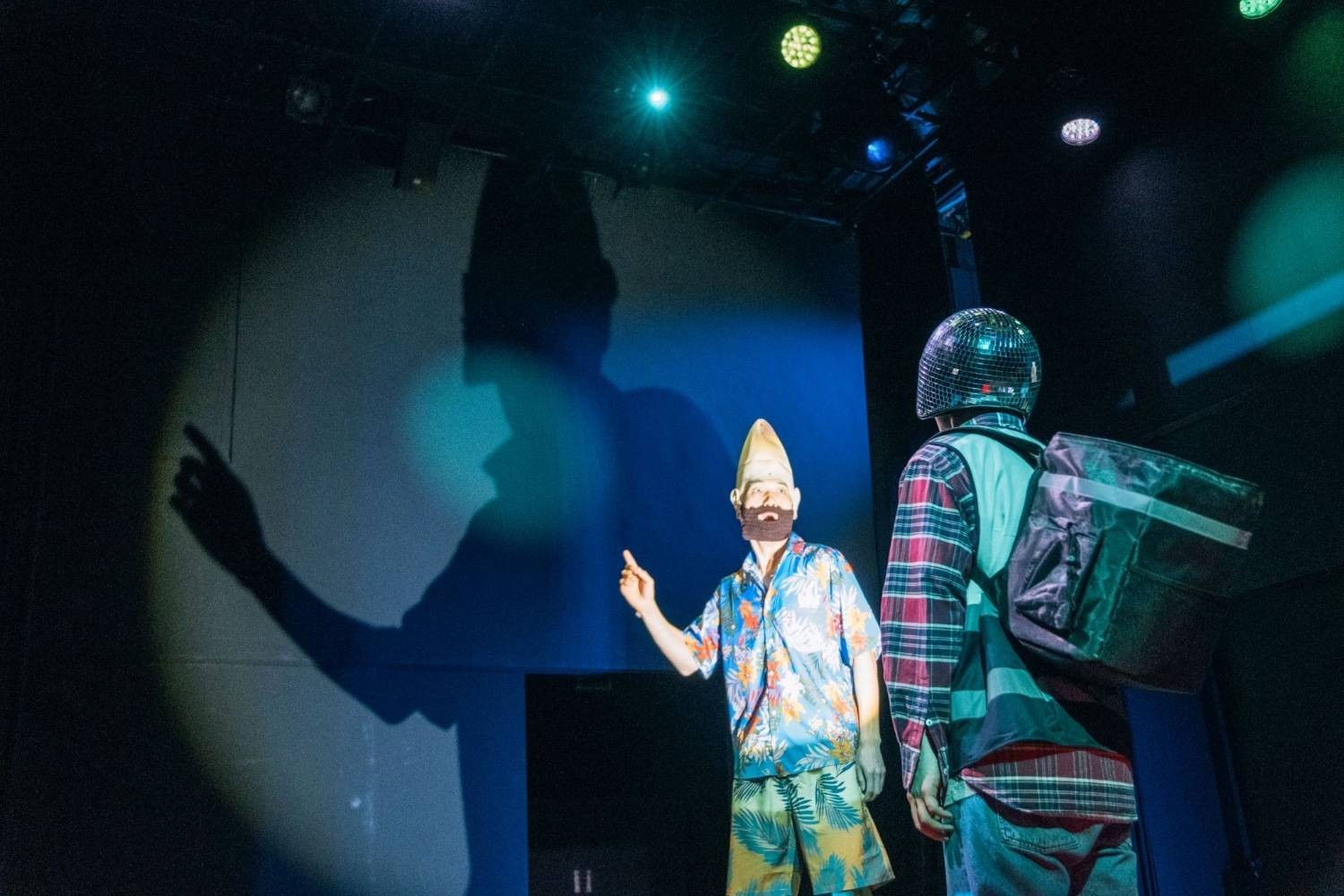
Fig 2 brought together nine two-hander plays in an omnibus format, laying out with unflinching honesty the unresolved anxieties and realities of young people — and closed its run on the 8th of this month. The two-hander omnibus format was chosen in the hope that the production would serve as a launching pad for emerging actors. A two-hander demands that both performers carry the scene together from beginning to end, making it excellent material for acting training; and because the order of scenes is not fixed, individual scenes can be selected and rehearsed independently.
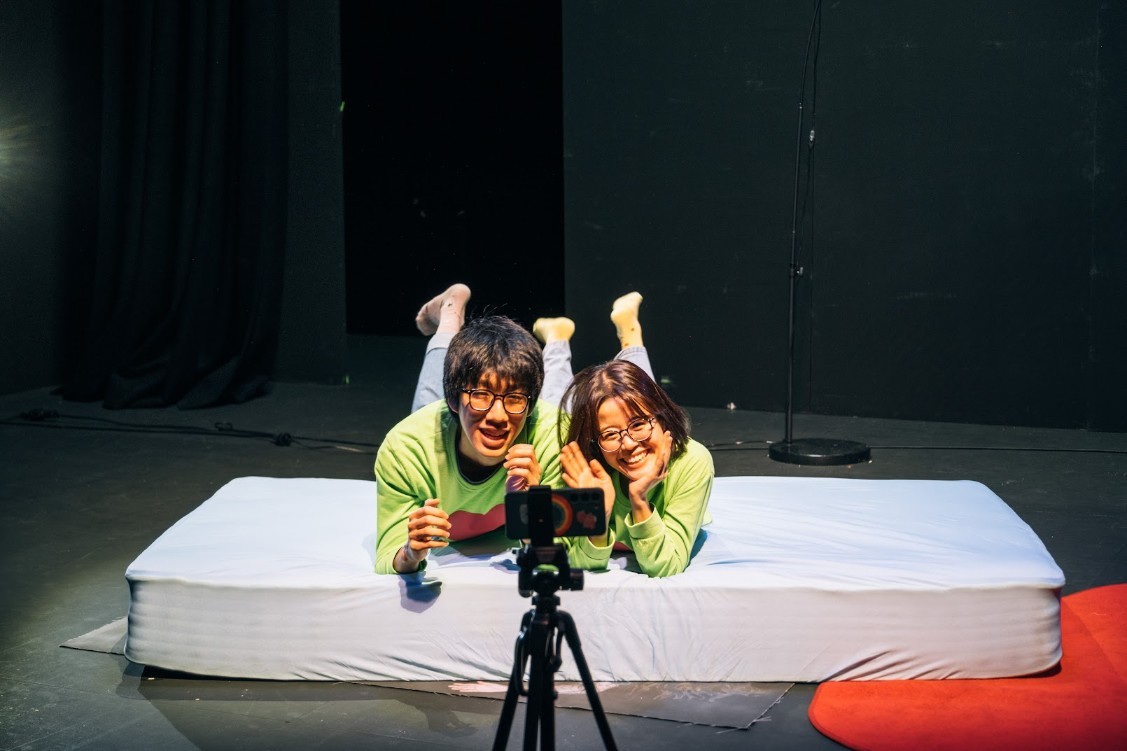
Fig is youth theatre without a message. A boy and a girl who believe they are vampires and are preparing to jump to their deaths. A boy and a girl performing as a couple on an SNS live stream after being outed as gay and lesbian. A boy and a girl in despair after a pregnancy test shows two lines. The play takes on their conflicts and struggles — yet across all nine pieces, there is no right answer. The work never decides who is telling the truth, who is more ethical, who is the victim and who is the perpetrator. The characters keep playing a game of "truth or lie," and the audience is drawn into that game without ever knowing what to believe.
"Rather than stepping in to understand or solve the realities young people face, I wanted to lay out their unresolved despair honestly, without flinching. The title came from that same place. A fig, it turns out, isn't a fruit without a flower — it's a fruit whose flower can't be seen, because the flower blooms inside the fruit. I think the despair of young people is something like that. Invisible to adult eyes, yet unmistakably blooming within. Fig is a play that splits that fruit open and shows the flower inside. I believe that looking unflinchingly at what couldn't be seen — all the way to the end — can itself be a kind of leap forward."
The process of turning real life into stage narrative
Ballplay club and director Kang want to bring to the stage the questions that people living in the same moment are wrestling with most urgently. Because their inspiration comes from people, and because they are committed to lifting reality onto the stage, they hold to certain creative principles when it comes to giving a character's story theatrical form — principles designed to ensure that theatre doesn't become merely a vehicle for delivering a message, but instead allows audiences to genuinely encounter the characters.
"The first principle is that there must be conflict. Instead of having characters explain their own situations, I try to put characters who want different things into collision with each other, so that everything is shown through action. If a scene requires dialogue to explain itself, that scene isn't working yet. I believe that social issues only become legible to an audience once they've been translated into conflict between characters.
The second principle is that theatre must be theatrical. A servant becoming a king, a wife becoming a husband, a father becoming a son — that kind of inversion and transformation, that play of becoming, is what theatre is. The more serious and dark the material, the more it needs to be handled with lightness and wit. If you treat heavy subject matter only with heaviness, the audience steps back and keeps their distance. Laughter is what lets them maintain just enough distance while still following you all the way to the end.
The third principle is not to deliver a verdict at the end. I think what theatre can do goes only as far as showing what choice a character makes. Whether that choice was right or wrong — that judgment belongs to the audience as they walk out of the theatre. If you leave a question with the audience as they leave, the play doesn't end with the final scene — it goes on living. That's what I believe."
A trajectory of growth, and the next stage
The biggest change for Ballplay club this year is that the company finally has a home. Becoming a resident company at Mapo Arts Center has made it possible to plan on a year-long basis. As a result, the company has been running a new production, a long-run repertory piece, a classic reading series, and a festival all at the same time. They created the new work Mimi's Modest Romance, and Dried Chili and Peach-Scented Lipstick was able to run for an extended engagement at Mapo Arts Center.
Equally meaningful has been the broadening of the audience. Through Ballplay club's Four Seasons Chekhov, the company staged Uncle Vanya, Three Sisters, The Cherry Orchard, and The Seagull as reading performances, one per season, and found that middle-aged and older audiences — rarely encountered in Daehangno — began to grow in number. It was a moment that confirmed something important: even for a company that has built its identity around young-adult theatre, the work of re-reading the classics in today's language knows no generational boundaries.
Director Hoongoo Kang says: "Going forward, I want to carry that experience with me and make work that starts from young people and teenagers but can be shared with middle-aged and older audiences as well. Above all, I want to breathe alongside the residents of Mapo for a long time. Mapo is a neighbourhood full of family audiences looking for new cultural experiences — but it's also a neighbourhood of young people drifting from one tiny room to the next. I hope that all those different residents can find unexpected joy at a theatre that's close to their everyday lives."
Ballplay club will open the Anchakan Youth Theatre Festival on 11 December. A hundred years ago, as now, people worried that there were no emerging playwrights — and responded by staging foreign works. Yet emerging playwrights are given no opportunity to write, and emerging actors have no idea how to find collaborators or get onto a stage. Because the young-adult theatre that director Hoongoo Kang is building needs young creative talent, he is building the platform himself — one that connects all of these things. The Anchakan Youth Theatre Festival will be a showcase where undiscovered plays, writers, directors, and actors can all be found in one place. To archive and make public the roughly fifty scripts submitted each year, and to give young people the dream of making their own theatre — that is the vision of director Hoongoo Kang and Ballplay club.
production photos ©Ballplay club Jieung Lee
