
When we think of a play about the rise of Nazism, images of soldiers in black uniforms and scenes of oppressive violence often come to mind. Yet in Der letzte Sommer (The Last Summer), a new work that premiered at the Kammerspiele of Schauspielhaus Bochum, neither Nazis nor acts of direct violence appear onstage. Instead, the action unfolds at an idyllic Swedish holiday retreat in the summer of 1929, where the German writer Kurt Tucholsky is attempting to craft a light-hearted romantic novel.
The play takes Tucholsky's novel Schloss Gripsholm as its starting point. Exhausted by political satire and critical writing, Tucholsky begins working on a light summer romance at the suggestion of his publisher, Ernst Rowohlt. Yet despite his desire to leave political reality behind and write about love and holidays, he cannot easily shake off the anxieties of the era in which he lives. This tension is also present in the original novel. Rather than placing violent events at the forefront, the novel portrays a political unease that persists even amid the ordinary routines of everyday life.
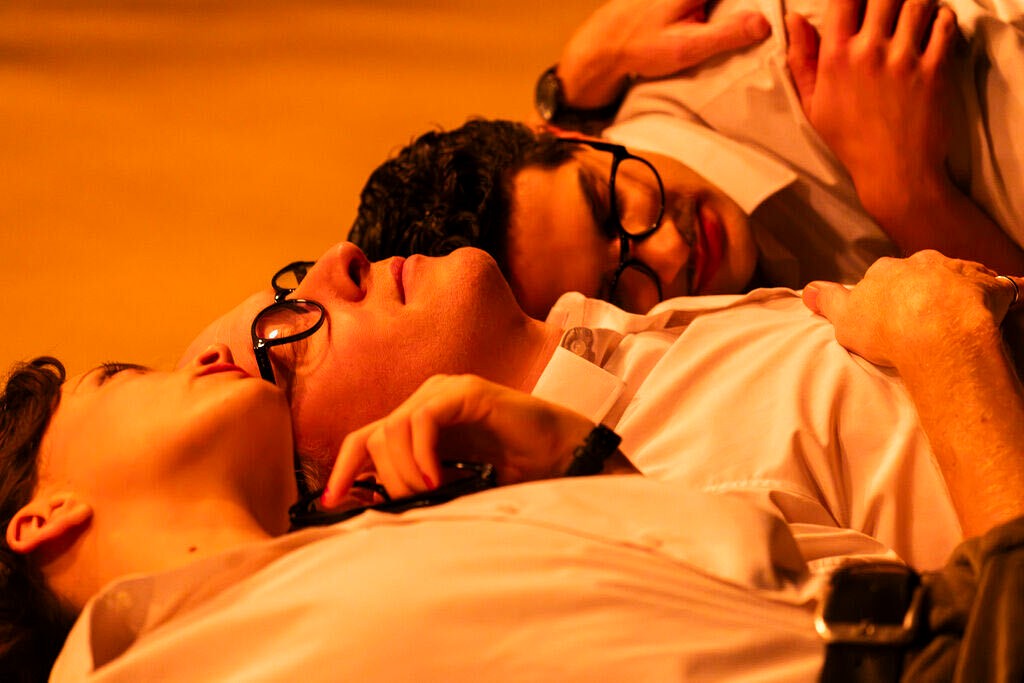
Director Mathias Spaan preserves this aspect of the original work while weaving passages from the novel together with Tucholsky's actual letters and contemporary newspaper articles, bringing to the stage the inner conflict of a man who longs to enjoy life's happiness in the face of a growing historical threat. Depicting violence directly onstage sometimes carries the risk of allowing audiences to observe the suffering of others from a safe distance, or even consume it as a spectacle. Der letzte Sommer, by contrast, focuses not on the horrors unfolding before our eyes but on the conflict of a man who senses the tragedy to come yet cannot let go of the happiness of everyday life. In this way, the violence of history emerges not as a visible event but as a force that continually unsettles an individual's life and choices.
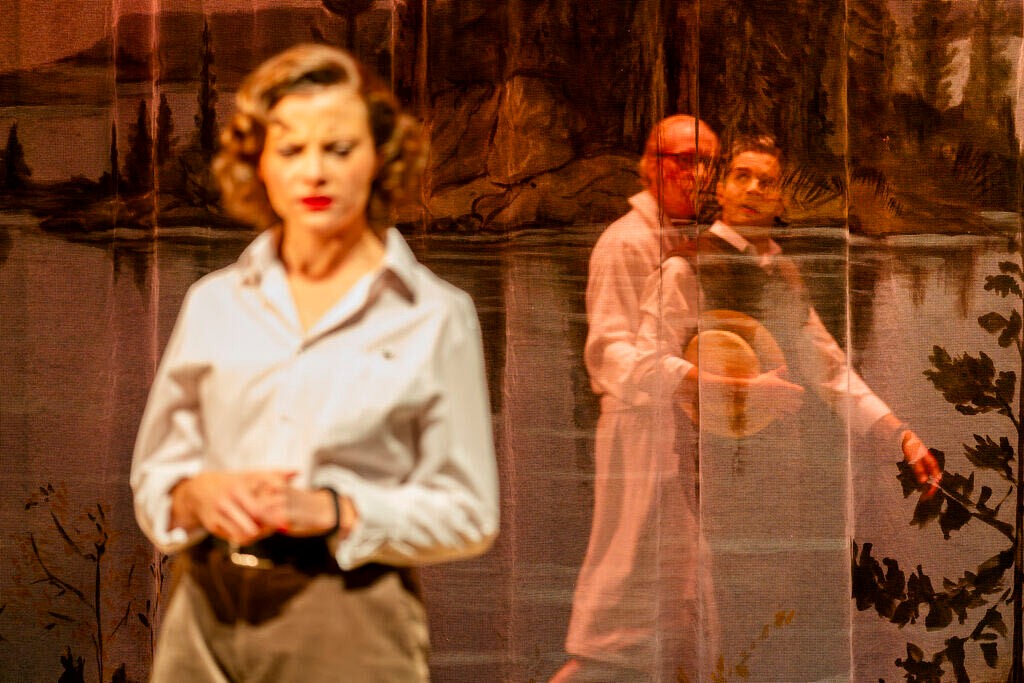
Onstage, Kurt Tucholsky is divided into three figures. Konstantin Bühler, Linde Dercon, and Payam Yazdani portray three versions of Kurt (Kurt I, II, and III), each representing different desires and convictions. The first self, Kurt I (Der Lebemann / the Pleasure-Seeker), pursues the pleasures of life and love, longing to escape political reality, if only for a while. The second self, Kurt II (Der Verstummende / the One Who Falls Silent), has spent years writing critically about society but ultimately chooses silence, overwhelmed by the sense of powerlessness that comes from realizing his words have failed to change reality. By contrast, the third self, Kurt III (Der Kämpfende / the Fighter), insists that one must continue resisting injustice and fascism despite everything. The three performers reveal their characters' distinct personalities through different ways of speaking and moving. They exchange lines rapidly, only to shift the atmosphere through sudden silences, bringing the conflicts unfolding within a single person vividly to life.
The conflict between the three selves becomes increasingly apparent as the same scene repeats. Whenever Tucholsky attempts to write his light-hearted romantic novel, whenever the characters try to enjoy love, holidays, and a happy summer, another of his selves appears to remind him of the political turmoil in his homeland and his political responsibility. The stage then returns to its opening scene: a grassy field in Sweden. The characters begin their love story again as though nothing had happened, only to be interrupted in the same way before long. The landscape that initially seemed peaceful and cheerful gradually becomes suffocating with each repetition. Watching the characters return to the same place no matter how they try to make different choices, the audience experiences a similar sense of helplessness, as though there were no escape. This repetition reveals that Tucholsky can never truly free himself from reality. He wants to forget political affairs and write about love, but he cannot simply carry on as though nothing has happened. Each time he returns to the same place, he finds himself confronting the problems of the world once again. The endlessly recurring conflict shows that Tucholsky has still not turned his back on the problems of his time.
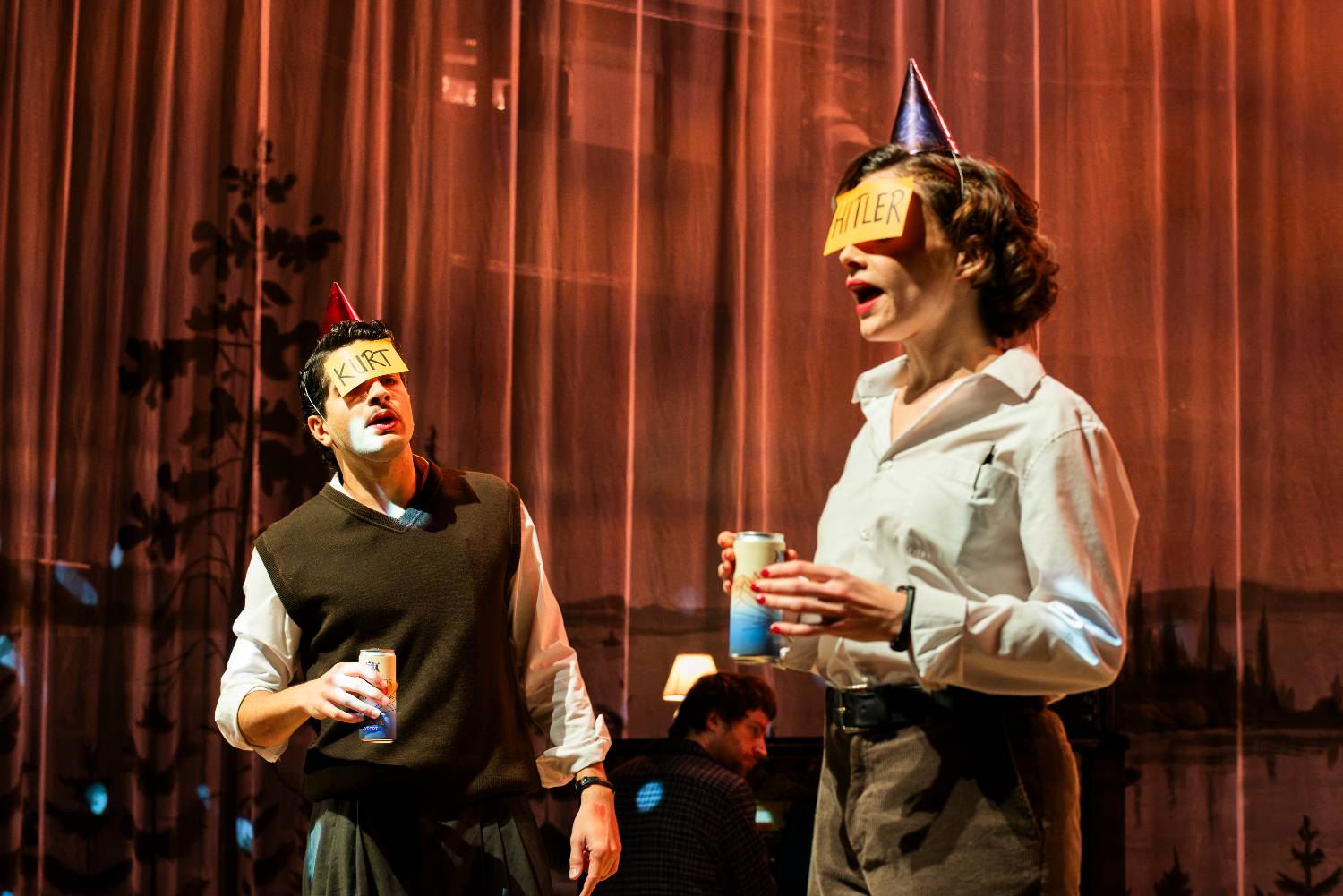
What makes this conflict particularly compelling is that none of the three selves' choices can simply be dismissed. The desire to enjoy life's pleasures cannot automatically be condemned as cowardly escapism. Nor is it easy to blame someone for choosing silence after years of writing have brought nothing but despair at their inability to change anything. Yet insisting that one must fight against injustice does not, in itself, change the situation either. The three selves challenge one another, but none can offer a clear answer. Watching their confrontations, the audience finds it increasingly difficult to judge Tucholsky's choices. Instead, they are invited to consider what they themselves might have chosen had they lived in his time.
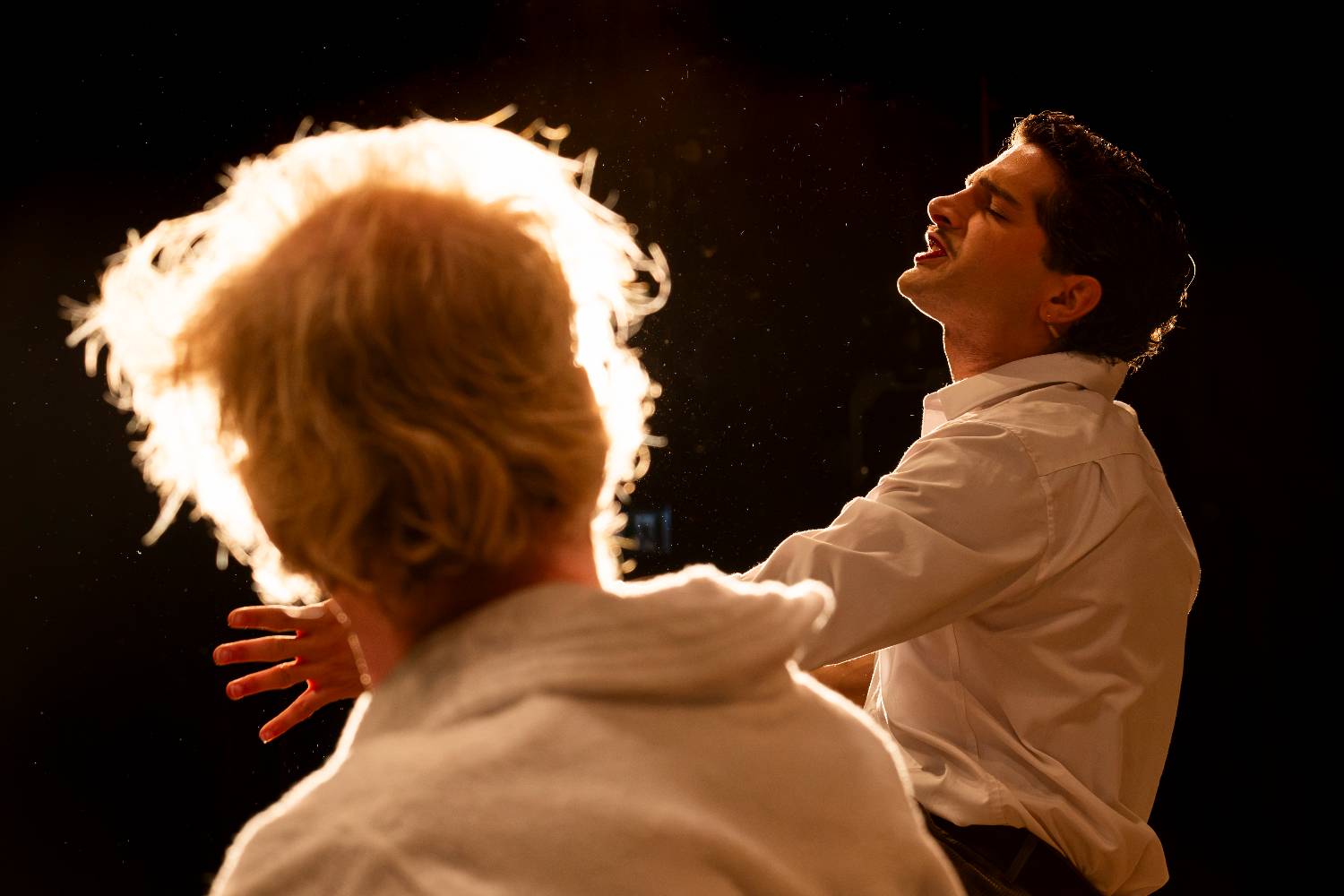
In contrast to these fierce inner struggles, the atmosphere onstage remains bright and peaceful. Before the performance begins, Our Last Summer by the Swedish pop group ABBA plays across the empty stage. Released in 1980, the song looks back on memories of love and a summer spent in Paris. The very fact that a pop song from half a century later accompanies a play set in 1929 is intriguing. As music and stories from different eras meet in the same space, the audience is invited not only to imagine a Swedish summer in 1929 but also to recall summers from their own past. Particularly significant is the phrase "last summer" in the song's title. In the original song, it evokes a romantic nostalgia for lost love and youth. Yet on a stage set in 1929, on the eve of Nazism's rise, it takes on an entirely different meaning. The characters enjoy their present happiness, unaware that the summer they are living through might be their last, while the audience watches them with the knowledge of a future the characters have yet to discover. We usually recognize that a particular moment was the last of its kind only after it has passed. In this sense, Our Last Summer, a song looking back on a summer gone by, becomes a song that foreshadows the end of a summer that has not yet ended onstage.
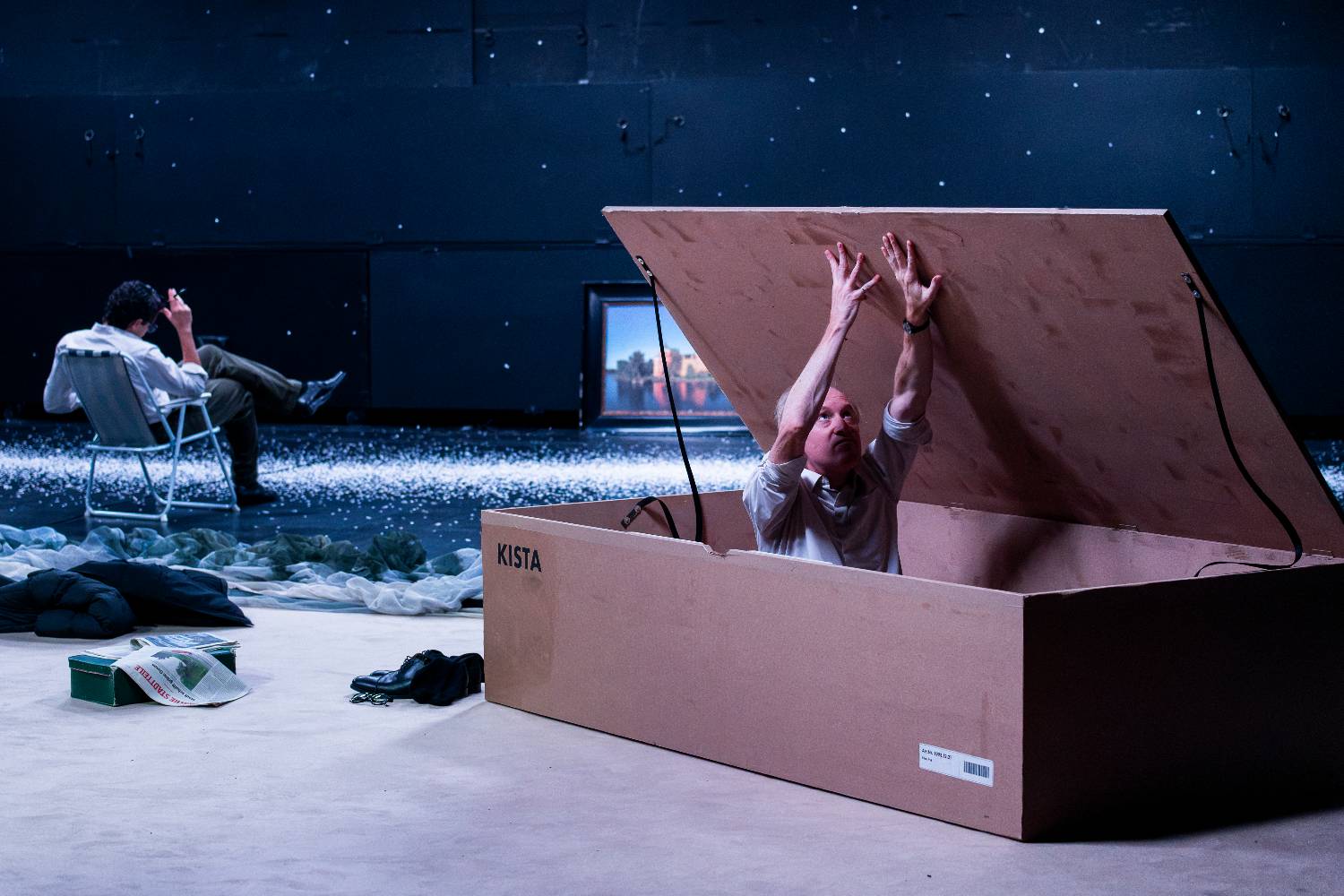
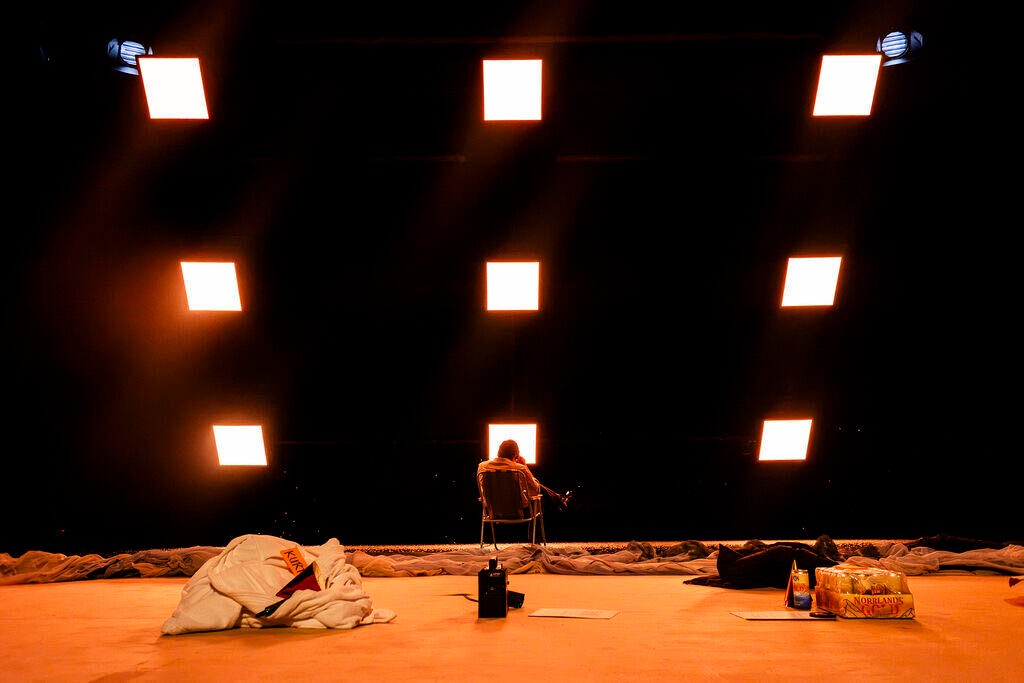
Set designer Anna Armann creates a tranquil Swedish landscape that unfolds across a fabric installation, while the gentle piano playing by musician Tom Gatza sustains the atmosphere. Together, the music and scenery draw the audience into the romantic mood of summer. Here, however, the music is more than an ironic backdrop contrasting with a tragic historical reality. Just as Tucholsky longs to escape politics for a while and write about love and holidays, the audience, too, is invited to linger in these peaceful moments onstage. Knowing that political unrest looms outside does not make the music any less beautiful. On the contrary, it is precisely by fully appreciating that beauty that we begin to understand why Tucholsky so desperately wanted to hold on to ordinary happiness.
Yet while the characters enjoy their happiness, the reality beyond the stage remains unchanged. The familiar pop song and peaceful scenery may put the audience at ease, but they cannot remain entirely within that comfort. Even as they experience the pleasure of the music, they are prompted to wonder whether it is acceptable to lose themselves in that pleasure alone. Ultimately, the music allows us to understand the desire to forget reality while simultaneously reminding us that reality cannot, in the end, be forgotten.
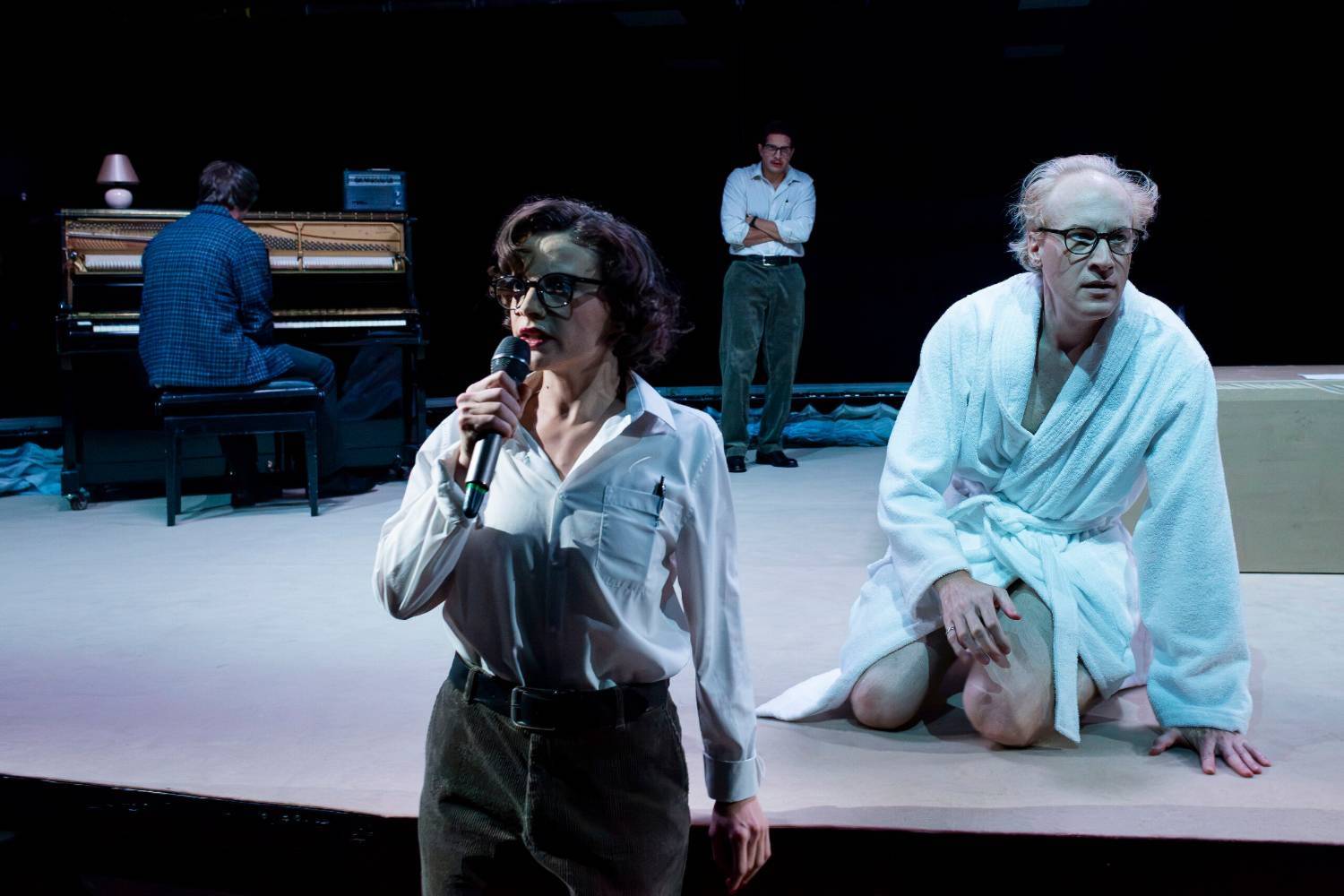
Towards the end of the play, Spaan breaks the fourth wall. The performers pass microphones into the auditorium, inviting audience members to read aloud texts drawn from historical letters, newspaper articles, and contemporary voices. As the performers fall silent, the voices of audience members begin to resonate through the space, one after another. Unlike the voices of professional actors, their readings are marked by hesitation and trembling. As these unfamiliar voices fill the theatre, the historical records previously conveyed by the performers become the responsibility of those seated in the auditorium. The political anxiety and powerlessness Tucholsky faced a hundred years ago are not problems confined to the past. As words from different eras are carried into the present through the voices of today's audience, the play transforms the conflicts experienced by a historical figure into questions of our own time.
Sitting in the safety and warmth of a theatre in 2026, watching the peaceful Swedish summer of 1929 unfold before us, we bear an unsettling resemblance to Tucholsky himself, who tried to write about love and enjoy the happiness of everyday life at a holiday retreat even as the threat of Nazism approached. We can easily tell him that he should not turn away from reality, but how differently would we ourselves be able to act? Can we sing the praises of summer even when we know winter is coming? Are we allowed to? What can artists do in the face of historical tragedy, and what should we do?
The play ultimately offers no definitive answers. History has passed, and the performance has ended. Yet the responsibility to answer these questions remains ours.
production photos ⓒJörg Brüggemann
