
Forging a new identity after a 22-year reign is a daunting task on its own, let alone shaking off controversy and stepping out from the shadow of a theatre giant like Ivo van Hove. Love him or hate him, the Belgian director undeniably spent two decades transforming the former Toneelgroep—which merged with Stadsschouwburg Amsterdam in 2018 to form Internationaal Theater Amsterdam (ITA)—into a global powerhouse. Beyond touring groundbreaking, visually unmatched productions to eager audiences worldwide, van Hove also nurtured rising talents like Simon Stone, Robert Icke, and Sam Gold before they became stars in their own right. Yet this relentless success, paired with the ensemble's star power and complex, highly intellectual programming, came at a steep price. Over time, ITA and its Amsterdam home base grew into an untouchable ivory tower, increasingly alienated from its local audience.
Now under the leadership of Olivier Award-winning director Eline Arbo and her fierce, female-led team, a quiet transformation has begun to radiate a purposeful future. The work literally started from the ground up, opening up one of the country’s most iconic buildings to feel welcoming to all and restoring its beloved local name, the Stadsschouwburg. Artistically, Arbo has sharpened the focus on female complexity in all its facets, entrusting trailblazing female colleagues to help shape the company's new identity. Dutch theatre-maker Bianca van der Schoot and German-Iranian director Mina Salehpour have already made a splash, while Rebecca Frecknall closed out last season with her London and New York hit, A Streetcar Named Desire. Next up, fellow Norwegian Kjersti Horn unveils a new stage adaptation of Wuthering Heights—though it is Arbo's own season opener that speaks volumes about her vision.
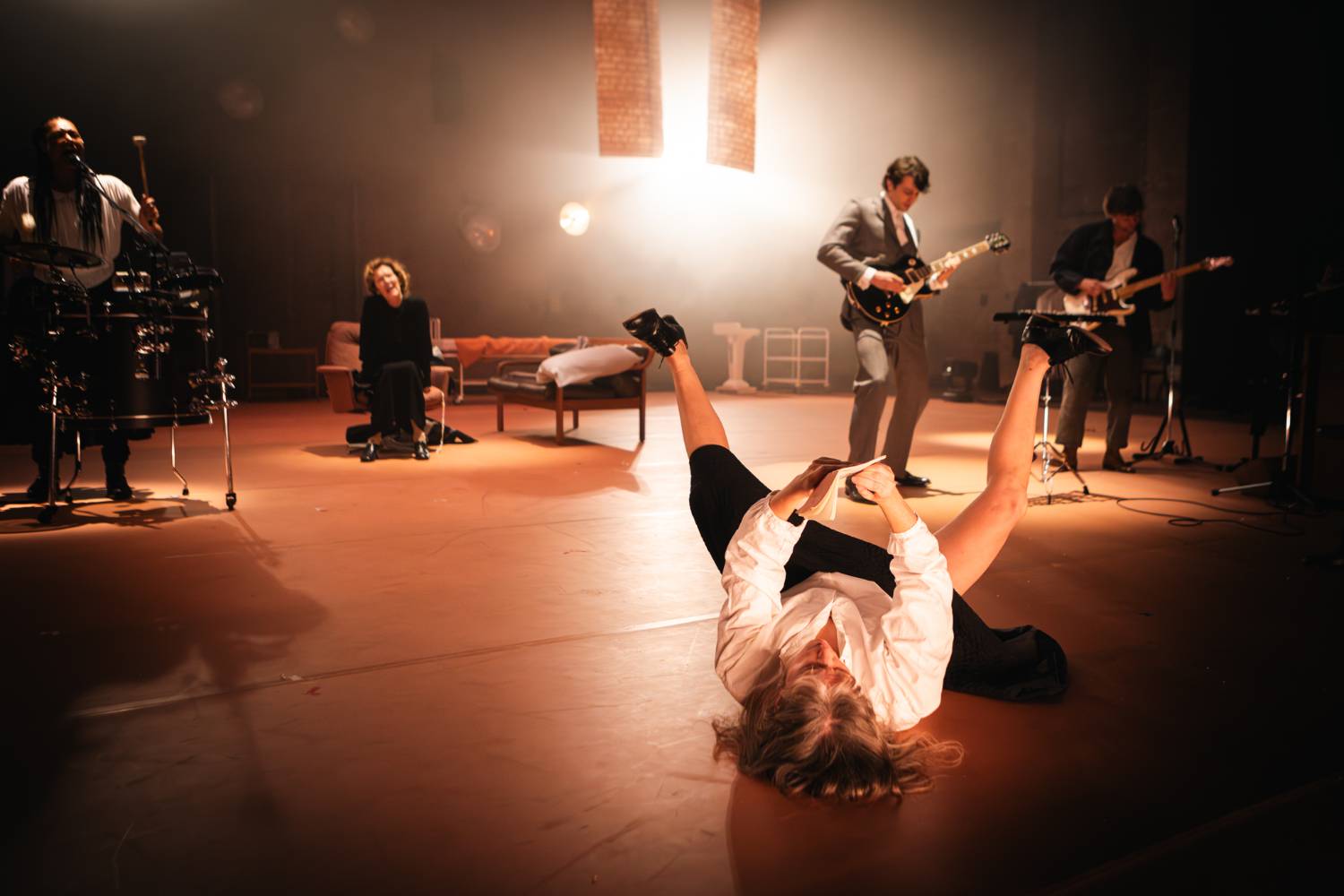
The autobiographical work The Copenhagen Trilogy by Danish writer Tove Ditlevsen (1917–1976) was originally published as three separate memoirs: Childhood (Barndom), Youth (Ungdom), and Dependency (Gift). The original work contains none of the emotional self-pity or tear-jerking melodrama one might expect from a writer whose life was marked by tragedy. Ditlevsen describes her childhood as a space “long and narrow like a coffin, from which one cannot escape alone,” maintaining a remarkably detached tone. From the loneliness she felt in the face of her mother Alfrida's coldness, to the poems she secretly wrote in notebooks hidden beneath her bed in defiance of the low expectations imposed on working-class women, and her first marriage to the ageing editor Viggo Møller, whom she chose in order to publish her first poetry collection, Pigesind (Girl's Mind), she lays bare every decision without pretence. Later, when she meets Carl, the doctor who would become her husband and who administers Demerol injections under the pretext of treating her ear infections, she declares of the drug, “This is the deepest love of my life.” Even in the tragedy of a relationship with her drug supplier that becomes inseparable from addiction itself, Ditlevsen neither excuses her mistakes nor begs for redemption. As though casually mocking the shame and moral repentance that the patriarchal society of her time demanded of women writers, she simply lays out her ambitions, desires, and collapse exactly as they were.
Growing up in an impoverished neighborhood in Copenhagen's Vesterbro district, young Tove was far brighter and more cheerful than I anticipated. Even amid destitution, her dream of becoming a poet was fueled by humor and vitality. However, as the second act unfolded, the warning signs became painfully clear, culminating in the third part, Dependency, where her life spiraled entirely out of control.
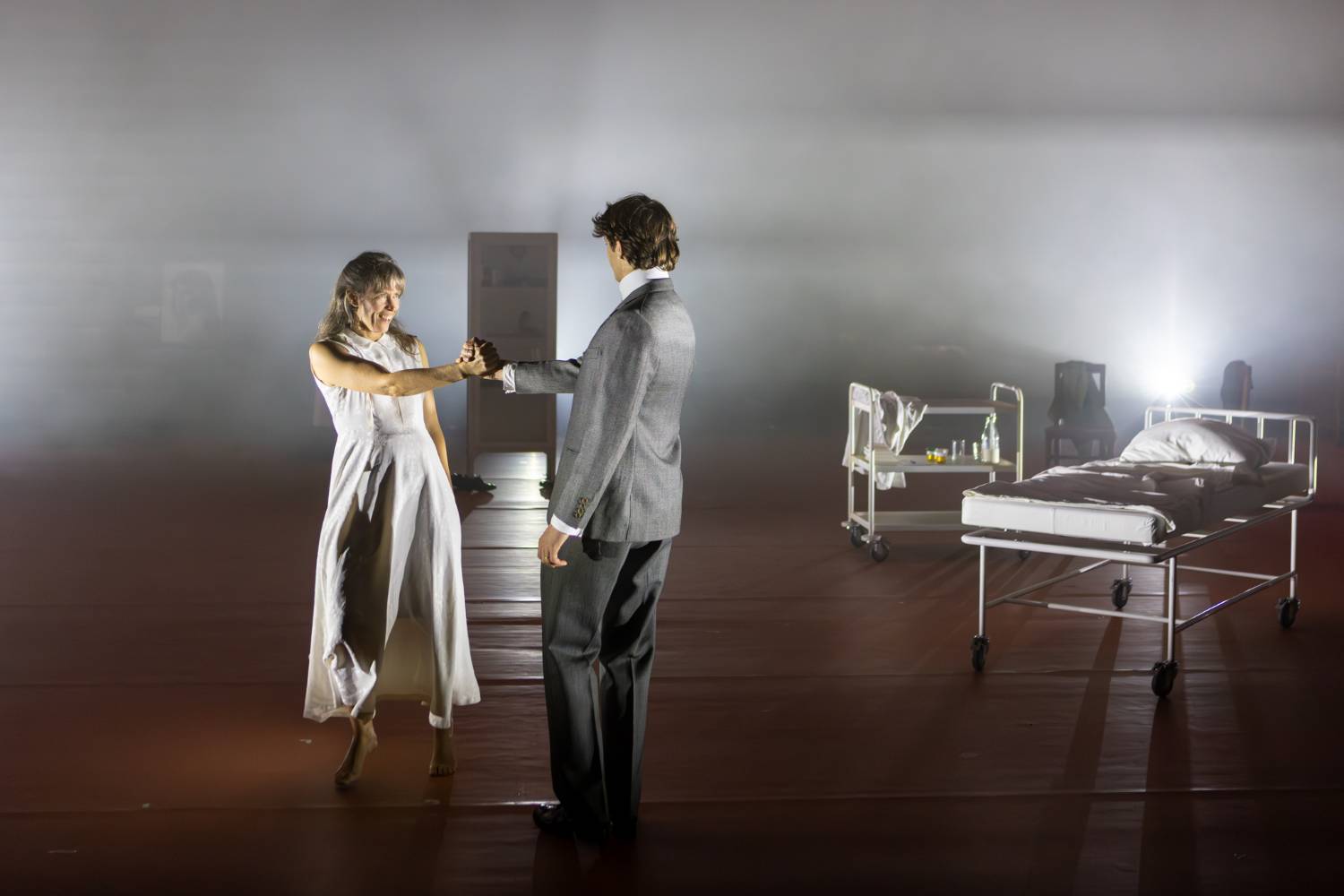
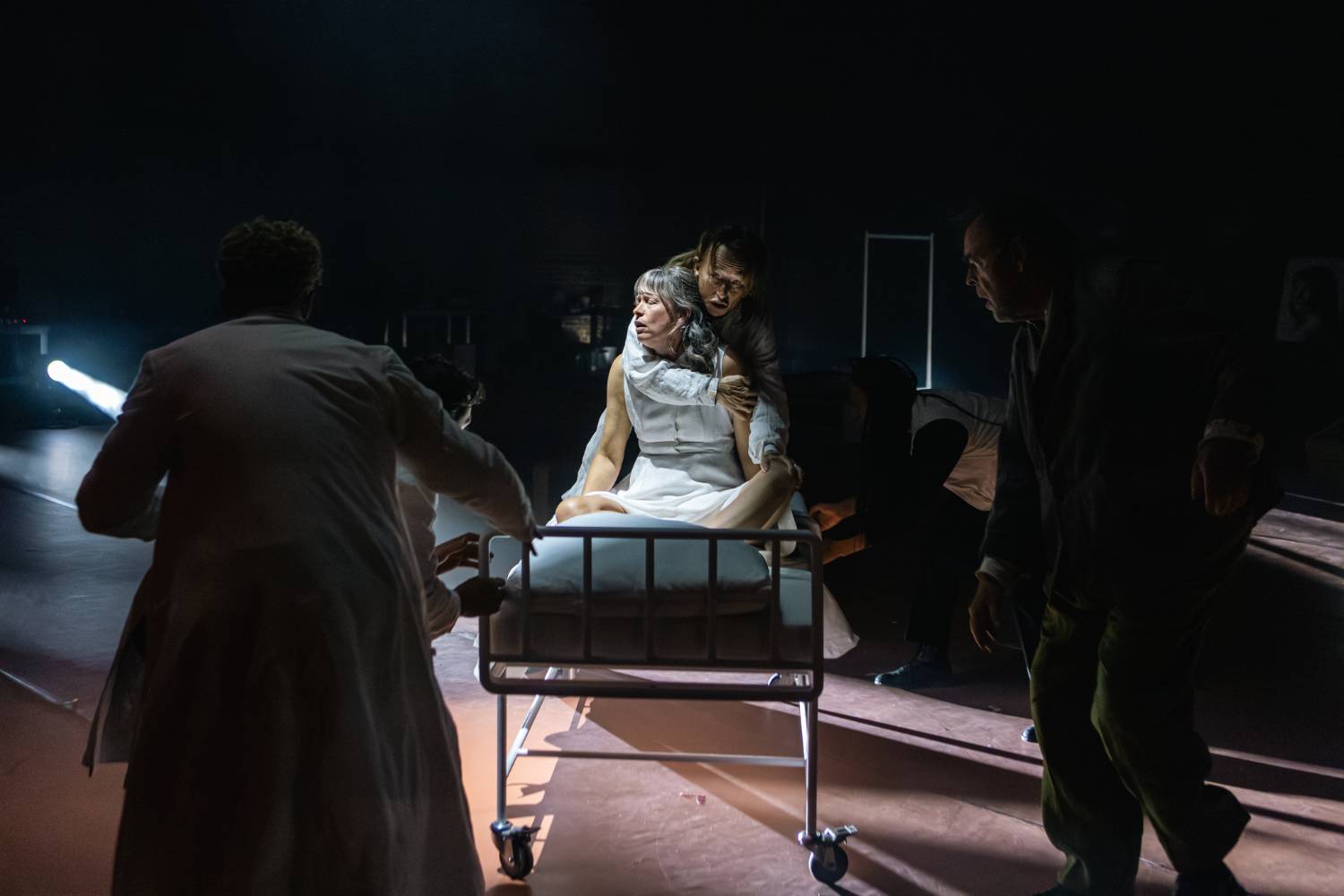
Onstage, the physical and psychological violations endured by a woman are laid bare in all their rawness. Nothing is concealed or softened through metaphor. Watching scenes of unwanted pregnancy and abortion, relentless cycles of drug addiction, and sexual violation unfold before me was not merely heartbreaking but deeply distressing. I could not help questioning what value there could be in sitting among an audience, watching the most vulnerable and painful depths of another person's life exposed under the stage lights. And confronted with such relentless suffering, could we really still call life beautiful? The subject matter was so devastating that I wanted to look away. Paradoxically, however, the staging that transformed this suffering into a sensory experience was itself almost unbearably beautiful. This strange contrast between the brutality of a harrowing life and the aesthetic refinement of its theatrical presentation leaves the audience suspended between discomfort and admiration, drawing them ever deeper into the play.
Eline Arbo has a remarkable talent for transforming literary texts into theatrical language, particularly when bringing works by major women writers to the stage, such as Marlen Haushofer’s The Wall or Annie Ernaux's The Years. Live music lies at the heart of her approach, by placing a band of actor-musicians onstage, she allows the characters' inner worlds to erupt through raw sound and physical movement. The original novel's introspective monologues are transformed into physical confrontations, dialogue, and live singing, bringing the audience face-to-face with Ditlevsen's desires and tragedies in an immediate, visceral way.
What Arbo identifies at the heart of Ditlevsen's character is a profound contradiction. She was a poet driven by the ambition to rise above poverty and devote herself entirely to writing, yet she could never relinquish her conventional longing for a respectable home, a husband, children, and recognition as an ordinary wife. These two desires, however, collided with reality and ultimately led to catastrophe. Her search for love deteriorated into a disturbing form of dependency, while her longing for poetic ecstasy was replaced by the chemical euphoria delivered through a Demerol needle. Rather than condemning or romanticising these contradictions, the production exposes them in their rawest form through stage design, music, and the actors' bodies.
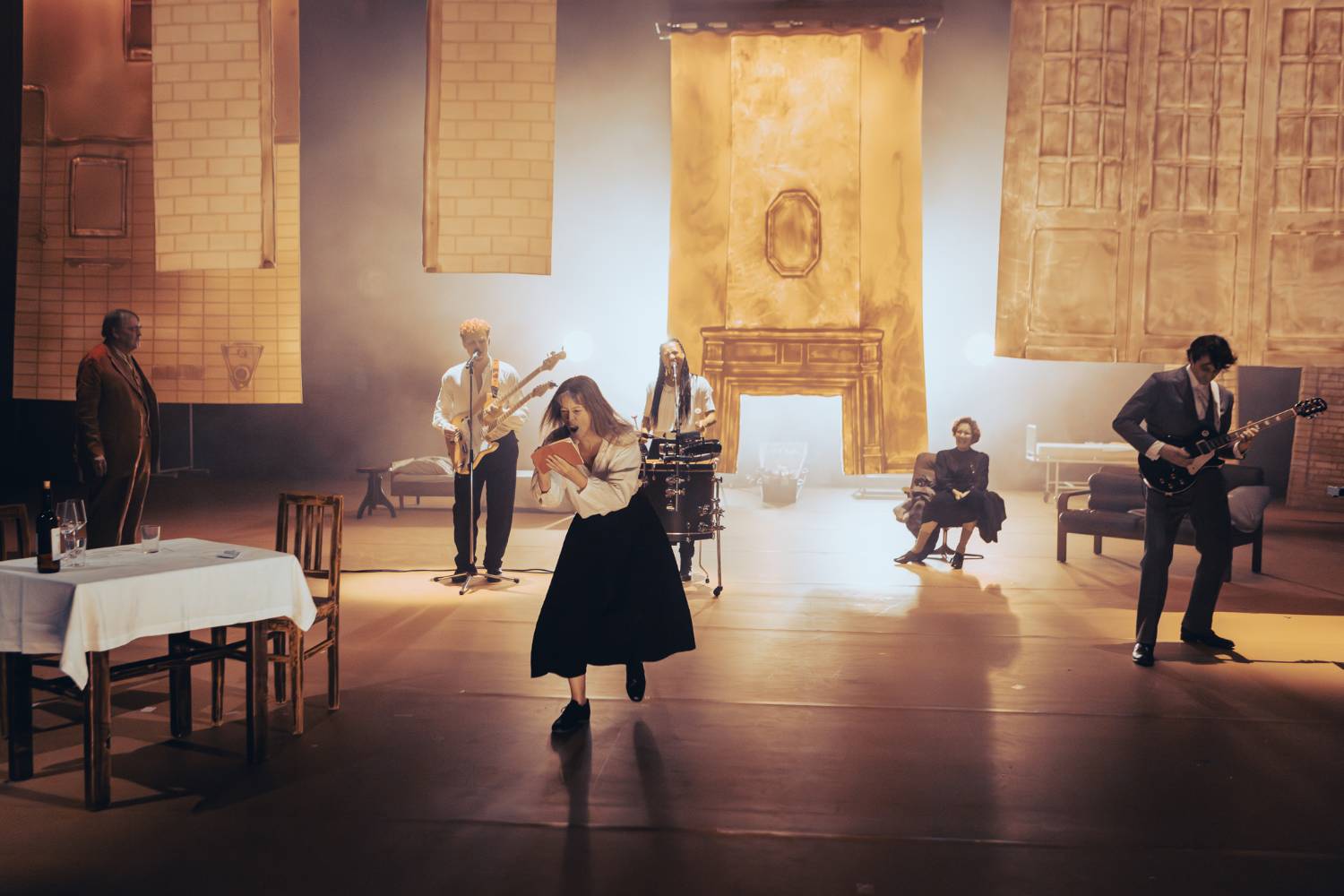
Composer Thijs van Vuure moves away from the lyrical atmosphere of Ditlevsen's childhood in the 1920s, instead steeping the production in the raw rock sounds of the late 1960s and early 1970s, the period in which she wrote her autobiographical trilogy. The energy of rock music, with its rejection of established social conventions and explosive assertion of individuality, speaks directly to the poet's inner conflict between the life of a conventional wife and her uncompromising artistic ambitions. Particularly striking is the way the actors pick up instruments in the middle of their performances and transform into a live band, lending the production an unfiltered vitality. Sweat, guitar riffs, and drumbeats erupt alongside the action, immersing the audience in the physical vibrations of the performance. The lyrics themselves come directly from Ditlevsen's own writing. The composer sets ten of her published poems to music, including Flickering Lights, Immoral Song, Depression, and I'm Yours. Verses once quietly confined to the pages of poetry collections burst into song through the actors' voices. As the performers sing the very poems Ditlevsen wrote, her literary ecstasy and the tragedy of her addiction become tangible, embodied experiences onstage.
The visual world created by set designer Pascal Leboucq also bears sensory witness to the stark realities of Tove's life. According to Leboucq, the silicone and latex curtains were inspired by a passage in Tove's writing describing how, when sunburnt skin is peeled away, new life emerges beneath it. Translucent curtains printed with faint outlines of kitchens, doors, and windows catch the light, scattering delicate traces of memory across the stage. Suspended above the characters like mobiles, these structures form what the director calls a “library of memories.” Each time her life moves into a new chapter, the curtains descend and reshape the stage, sweeping away the previous life as though shedding an old layer of skin. The actors tear their way through the curtains or peel them back like discarded shells, while the intense monochromatic light designed by Varja Klosse, together with the physically sticky, almost grimy texture of the latex, leaves a vivid impression of the raw suffering and desire that Tove has endured.
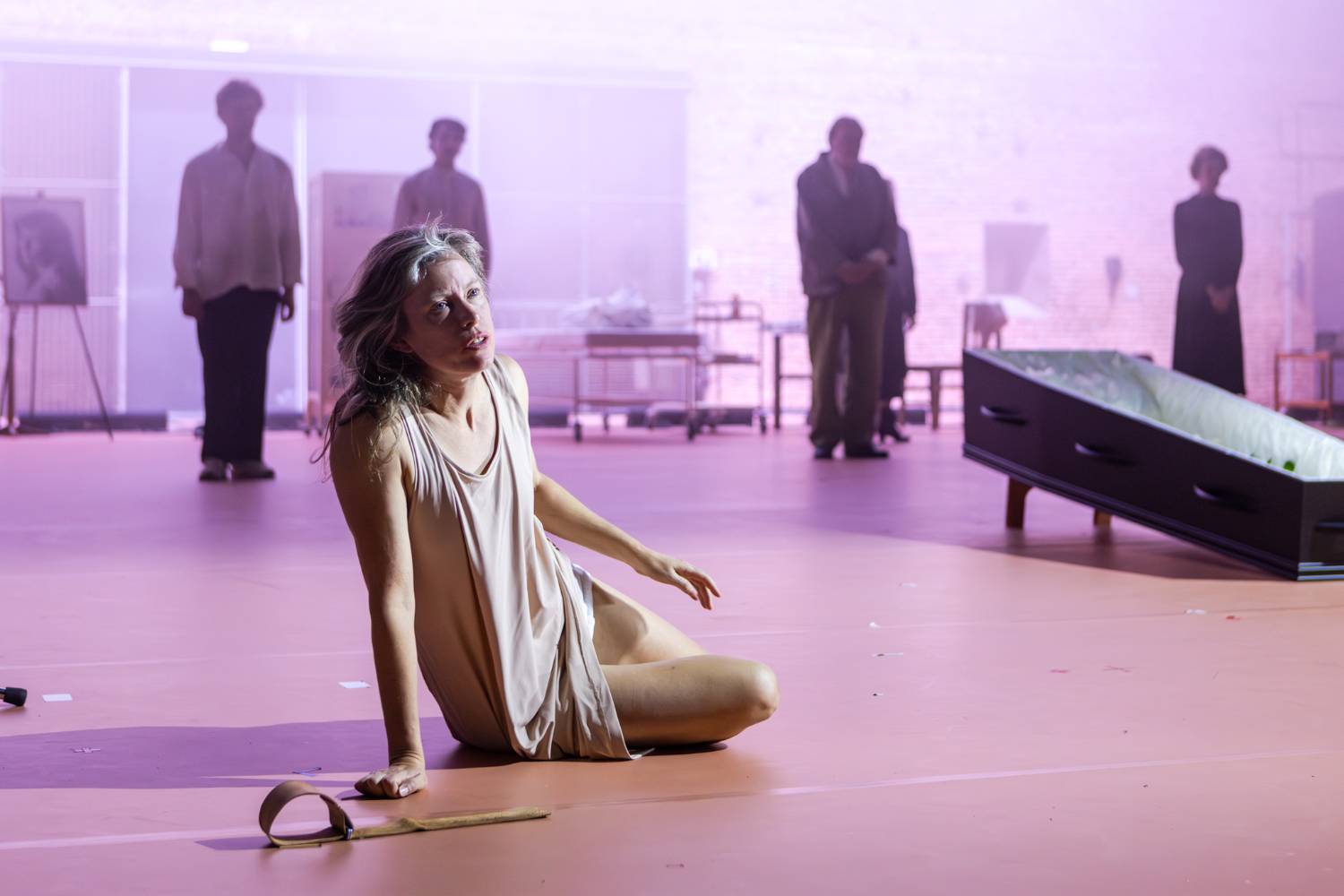
Leading actress Maria Kraakman portrays Ditlevsen's entire life, from the innocence of childhood and the aspirations of adolescence to drug addiction and eventual collapse, with an intensity that never falters. Her physical portrayal of the euphoria that follows an injection, the agony of withdrawal, and the desperate struggles of hallucination is almost suffocating to watch. The actors' rough, forceful movements, shaped by the choreography of Felix Schellekens, give direct physical expression to the turbulent forces of addiction and deprivation.
Alongside her, seven ensemble performers—Chris Nietvelt, Sanne den Hartogh, Minne Koole, Marieke Heebink, June Yanez, Peter Bolhuis, and Dim Koning—take on the various figures who pass through Ditlevsen's life. The actors repeatedly shift between the roles of father and first husband, brother and second husband, and numerous friends, vividly revealing the subjective nature of memory. Peter Bolhuis, for instance, first appears as her father before returning as her first husband and mentor, Viggo F. Møller, while Sanne den Hartogh changes from her conflicted brother Edvin into her second husband Ebbe. Just as the original trilogy is Ditlevsen's personal memoir rather than an objective historical record, the memories presented onstage do not exist as fixed fragments of the past. Within one person's inner world, figures from the past are not neatly separated but become entangled and overlap according to emotion and longing. As the impressions of different characters merge upon the same actor's face, the audience comes to sense that what unfolds onstage is not a reconstruction of objective facts, but fragments continually rearranged and organically transformed within Ditlevsen's own “library of memories.”
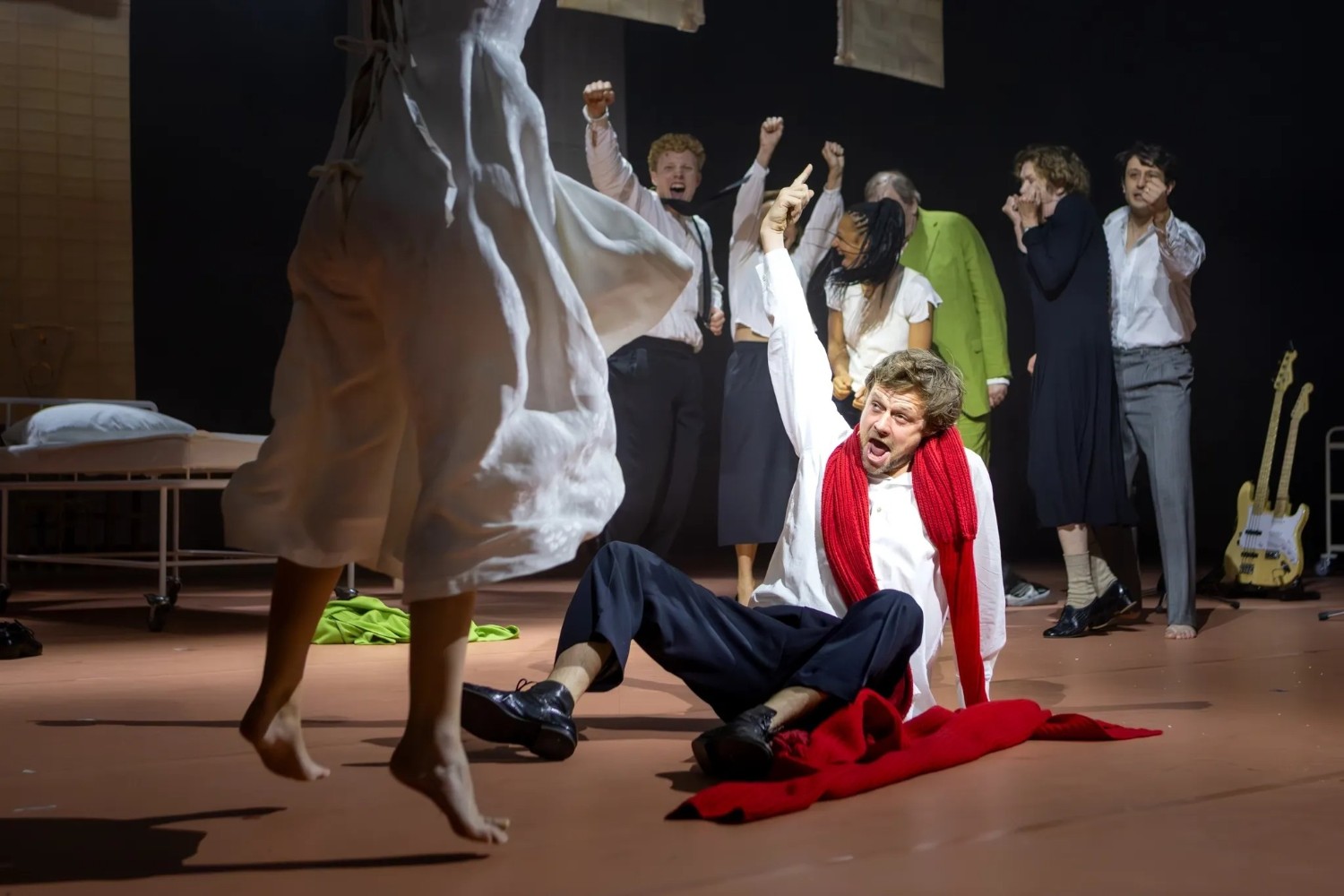
By laying bare the most wretched depths of human descent, the production forces us to confront the scars and hypocrisies we strive to conceal in everyday life. Just as Ditlevsen recorded her own disintegration with uncompromising honesty, the performance strips away our layers of pretense, turning the stage into a mirror for our own wounds. It leaves no room for the easy comfort of calling life beautiful; there was nothing beautiful about Ditlevsen’s life, which ended in suicide in 1976, nor in the shadow of addiction that haunted her until the end. Why, then, do we continue to live? Certainly not for a sterile beauty found only in a peaceful, sunlit greenhouse. Rather, the courage to endure each day while carrying unbearable shame and pain is itself the most honest expression of human existence. When the latex curtains collapse and the final echoes of raw rock music fade, what remains is not the illusion of salvation, but a fierce, honest dignity—a courage that emerges only when we dare to look directly at our most broken selves.
Although her life ended in tragedy, Tove Ditlevsen never turned away from the suffering and collapse that entered her life, committing it all to writing while she was alive. For her honest and courageous confession, I can only offer my deepest respect and applause.
production photos ©Roel Van Berckelaer
