

A family has everything, then loses everything. Now what? We have seen this story told so many times, in so many different ways, and it’s always painful. So why do we keep coming back to it? If we already know what it means to struggle, to lose everything, to watch something we love slip away with no remorse.
I ask this as someone who knows firsthand what it’s like for a family to lose what it once had (or thought it had). That experience brings enormous trauma and shame, and I know what it means to live with the aftermath of that kind of loss. So why would I willingly sit in a darkened theatre and watch someone else's family go through it all over again?
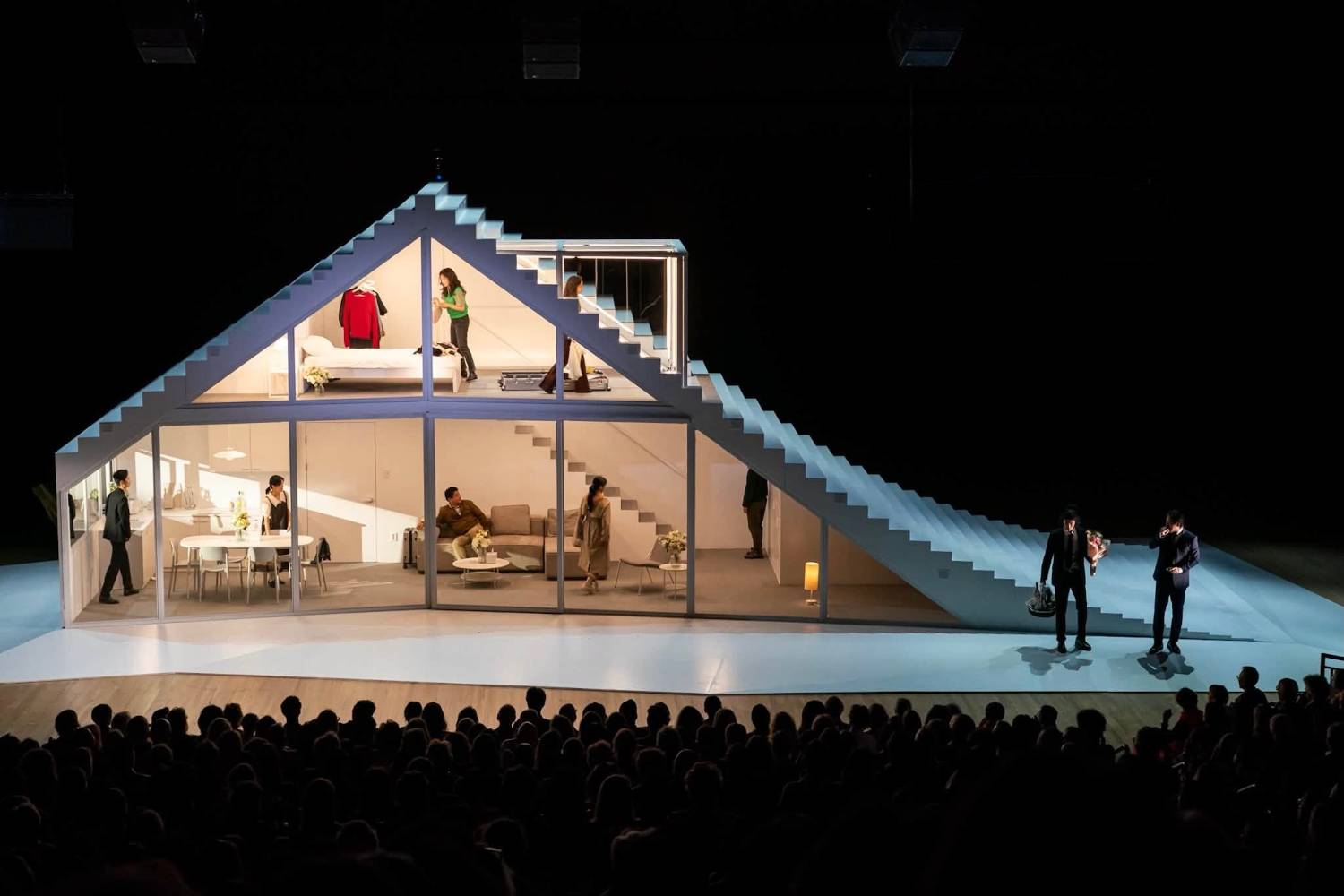
There is something both very uncomfortable and deeply human about watching other people experience the things we would rather move away from… to erase from our past. Are we drawn to these stories because we have formed a kind of trauma bond with our own suffering? Are we searching for some reassurance that we are not alone? Why is there a part of us that keeps returning to the scene? Does the mind need to revisit its darkest memories in the hope of finding answers that we were never given?
I’d say it's all of these things. So let's just address the elephant in the room and examine the morality of the play. Does wealth make people happier? Do any of us deserve inherited wealth? Could you remain loyal to a family that destroyed your life? Would your relationships survive? When someone's money, status, and power are taken away, what actually remains? Stories about families losing their fortunes continue to fascinate us. Look at The Lion in Winter, The Inheritance, August: Osage County, King Lear, or even Arrested Development and Schitt’s Creek. The circumstances may change, but the underlying tensions remain strikingly familiar. Wealth determines power and family determines belonging. Take away the wealth, and you discover how much that belonging was worth. The brutal truth is that affection and obsession can become leverage, which then allows history to become ammunition. Family drama is a power struggle played out on an intimate scale. And then there is The Cherry Orchard.
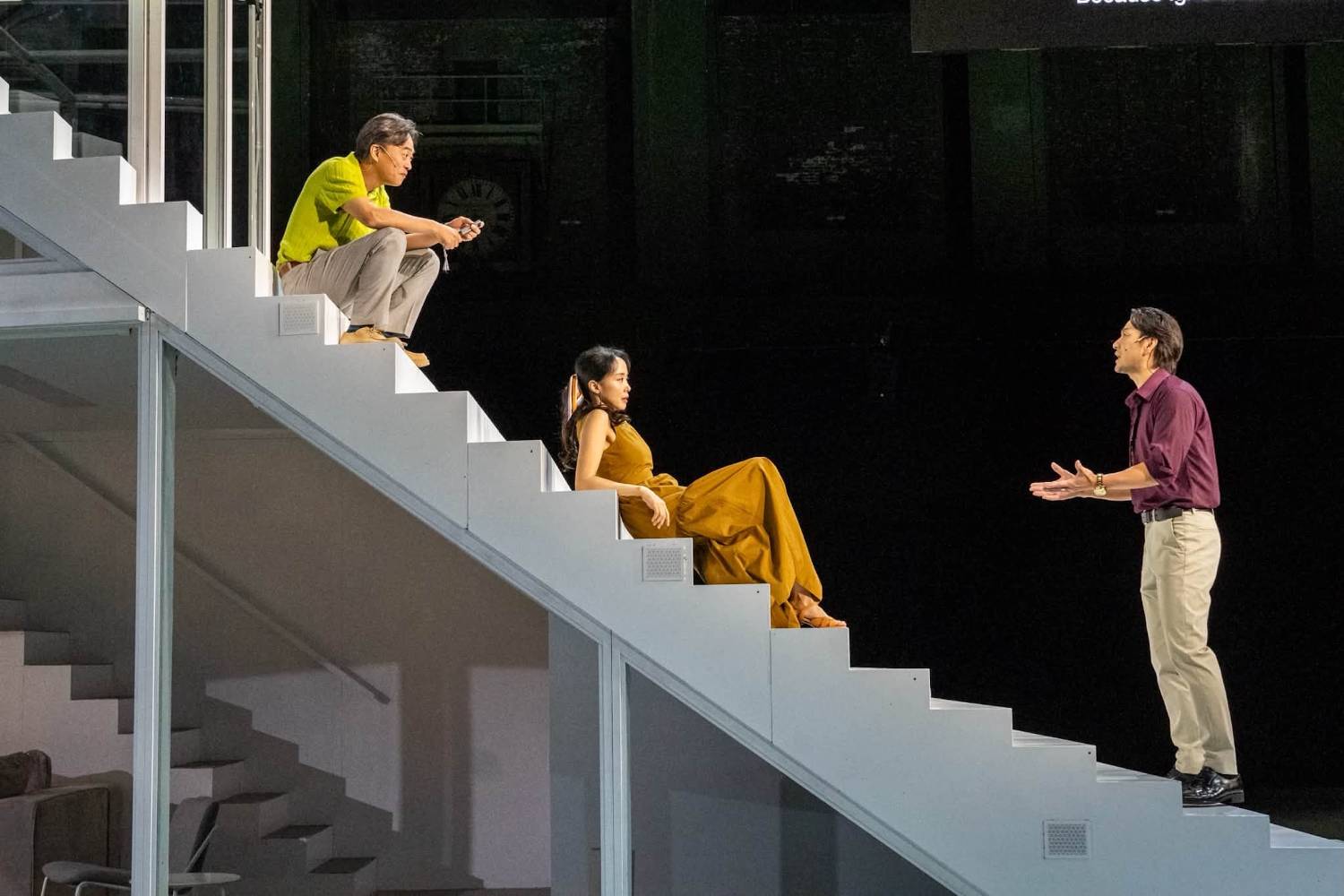
Written by Anton Chekhov in 1903 (it premiered on January 17, 1904, at the Moscow Art Theatre), the play follows an aristocratic family facing the loss of its estate and the beloved cherry orchard that has come to represent its past. The family sees what is coming, but they are frozen, doing nothing to solve the problem. They desperately cling to memories… they procrastinate. They lose the ability to envision an existence that is nothing like the life they have known. Let’s not forget that Chekhov conceived the play as a comedy. Chekhov was laughing at the wealthy—who were so shackled to nostalgia that they refused to see the world changing around them. The family fortune is going to be lost. Everyone knows it. And yet, rather than act, the family cries and throws tantrums. They carry on as if the future might not come with a bill to be paid.
But what happens when this distinctly Russian story is transported to contemporary South Korea? Simon Stone’s adaptation, produced in conjunction with the LG Arts Center and the Adelaide Festival, was conceived as a highly ambitious landmark project to elevate K-theater onto the international stage. This monumental run at the Park Avenue Armory marks the final stop of a celebrated global tour that began in Seoul before traveling through Hong Kong, Singapore, and Adelaide. Performed by a truly phenomenal Korean cast in Korean with English subtitles, the production places Chekhov's world within a dynamic cultural and contemporary context. As an American audience member who does not speak, read, or write Korean, I found myself having to negotiate an unusual relationship with the performance. I had to decide quickly in the moment: "Do I read the subtitles and follow the words, or do I watch the action and trust that I know the story and its beats?” I tried to do both, but then I began to focus on the action and the physical life of the production. The body often says one thing while the words say something else altogether. This is a hallmark of Stone’s adaptations; one becomes very cognizant of the subtle space between understanding what someone is saying and understanding what they mean. That space and subtlety are really where exquisite theatre like this comes alive.
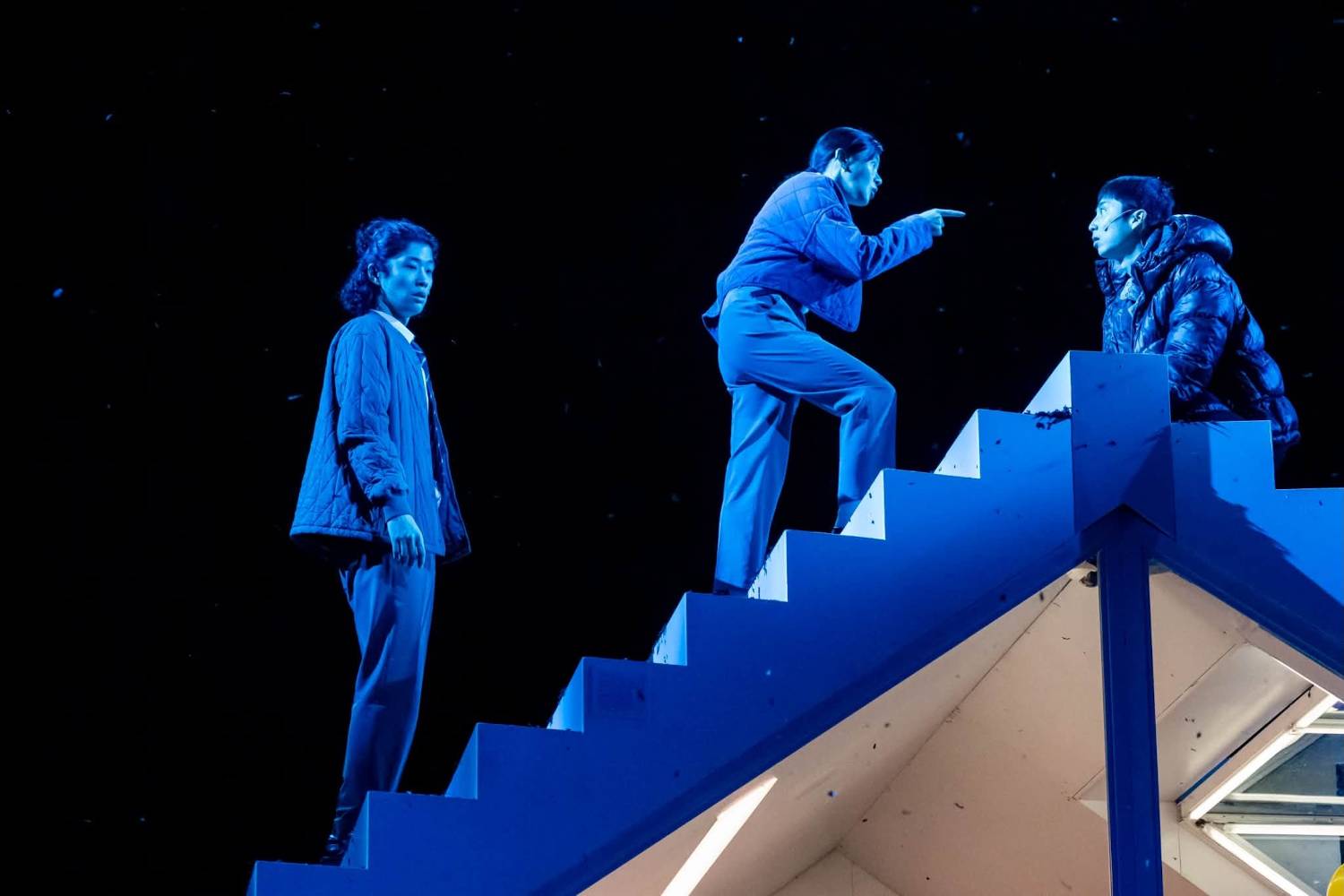
I never felt like I was missing something by not understanding Korean. Not knowing the language came with a trade-off, and I was given something great in return. With this cast, I was able to pay deep attention to what I felt and meld that with my own personal experience. The actors made that easy, nailing every nuance. Following subtitles while watching a bustling stage requires concentration; however, I didn’t need to understand every word to recognize a family in crisis. And this family is very much in crisis.
These performances were incredible. Jeon Do-yeon as Song Do-young (Chekhov’s Ranevskaya), as the family matriarch, is perfection. She brings all of the character’s incongruities into focus: her charm, her self-absorption, her sadness, and her attachment to a world that is evaporating all around her. She is trapped in the past. There is something so fascinating about someone who remains so emotionally attached to a life that is, at its core, lifeless. Opposite her is Park Hae-soo, who plays Hwang Doo-sik (Chekhov’s Lopakhin), the businessman whose new power jeopardizes the family's wealth and social standing. While Do-young is a prisoner to memory, Doo-sik represents the stark realities the family avoids with every breath. Park's performance is boldly physical. Momentum continues to rapidly build within him until the explosive and heartbreaking moment when he finally reveals himself and takes full control. This shift in the power dynamic is not wholly economic; it is personal. The man who has spent a lifetime with his face pressed against the glass of wealth and privilege is now breaking that glass. He now has the ability to determine what will become of the family.
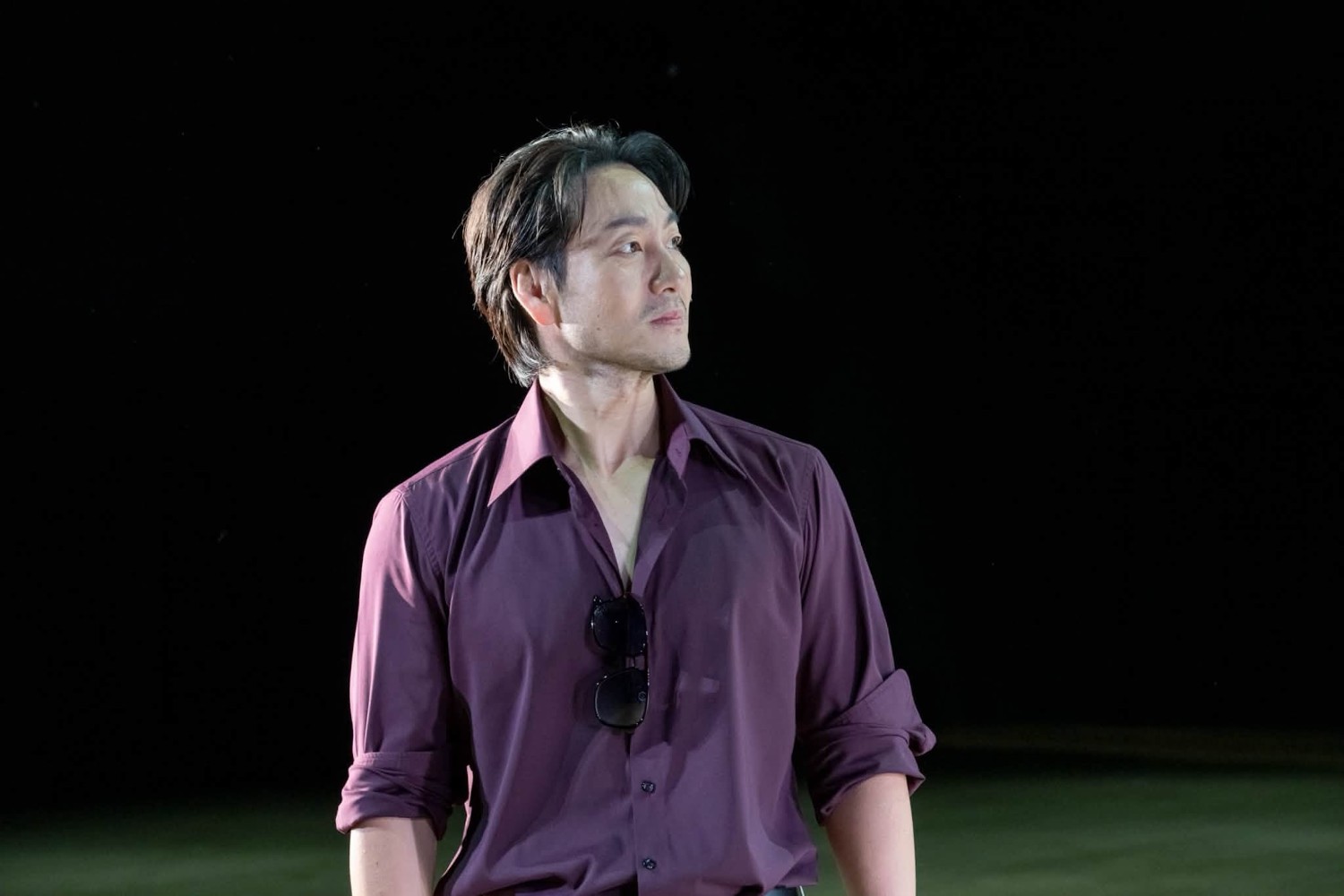
The contrast between Jeon and Park gives this production a tangible electric charge. Our relationships to the past are never that simple. There is always a high cost to pay on either side of the coin. Son Sang-gyu, as Song Jae-hee, Do-young's brother, is incredibly impactful, though he has very few lines of dialogue. Lee Ji-hye, as Kang Haena, represents the vitality of the younger generation, particularly during the lavish birthday party. Stone's signature writing of overlapping conversations (a hallmark of his work), drunken slurring, and the moment that secrets and desires begin to be exposed show us the family truly beginning to come apart.
There is something particularly poignant about the orchard at the heart of Chekhov's play. Chekhov was a passionate gardener, and growing up at his country estate in Melikhovo, he developed an unbreakable relationship with nature. The orchard can be seen as a symbol of the deterioration of the upper class. These attachments we form to the things we have nurtured are destroyed. We are blinded by beauty, and we assume it will outlast us. It is the strange grief of discovering that everything we love can be destroyed by someone who sees no value in it. The family isn’t simply being cut off; a living connection to the past is being severed forever. What one generation clings to and almost worships, another sees as unimportant and unnecessary.
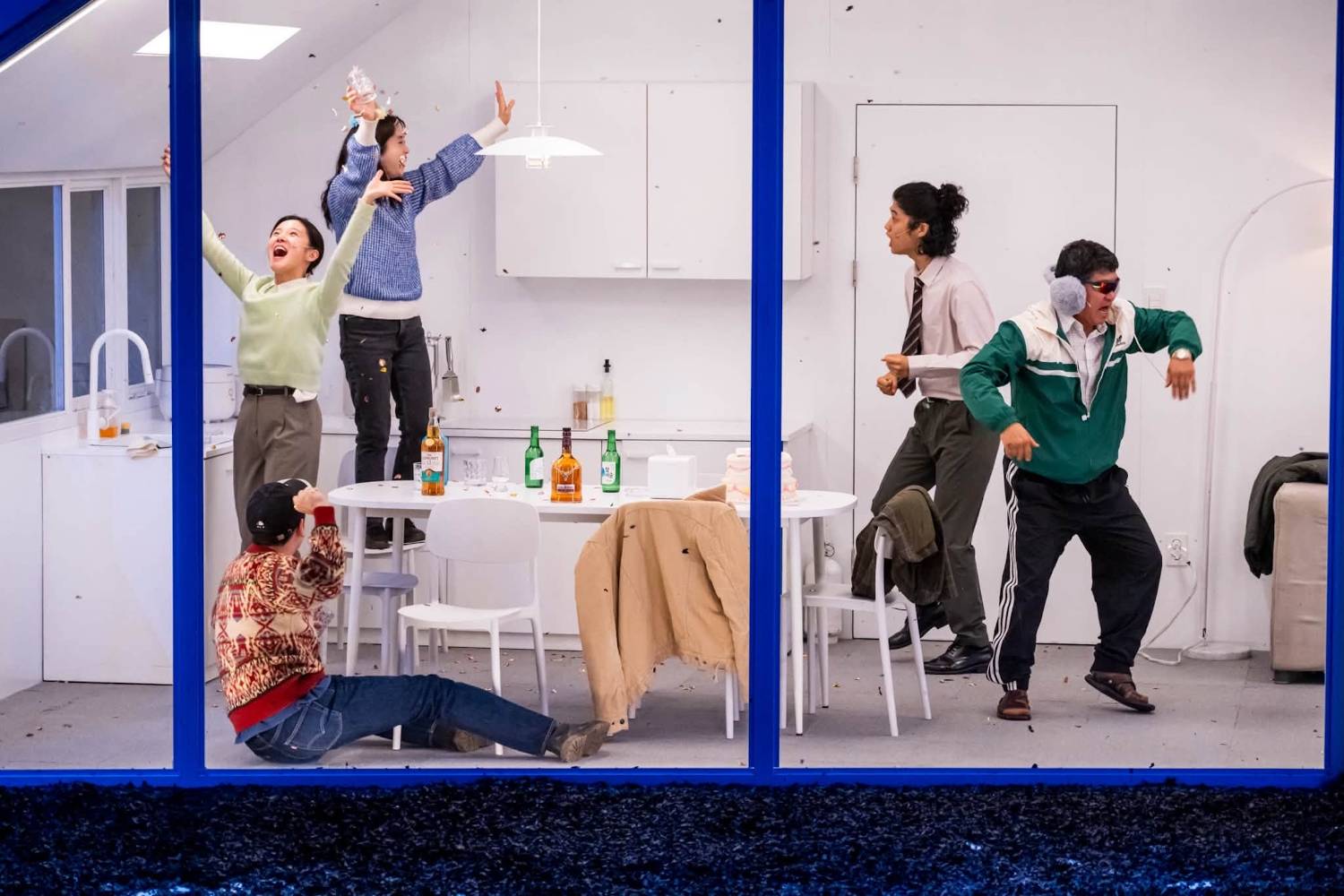
Dear reader, make no mistake: I could continue writing about this once-in-a-lifetime cast. The ferocity with which they all attack and own the material the second the play begins was astounding. The company is what made this play catch fire! There is such a level of intensity that never relents, nor does it go too far. The precision and technique of this cast are quite rare and, dare I say, unparalleled. Stone's adaptation vacillates between comedy and tragedy without pushing us to choose one over the other. The dialogue and action capture the self-inflicted chaos of a family where everyone is talking but no one seems capable of listening. Humor is born in the moments when the situation almost becomes unbearable. People can be so ridiculous and devastating at the exact same moment—that is a confusing and uncomfortable truth.
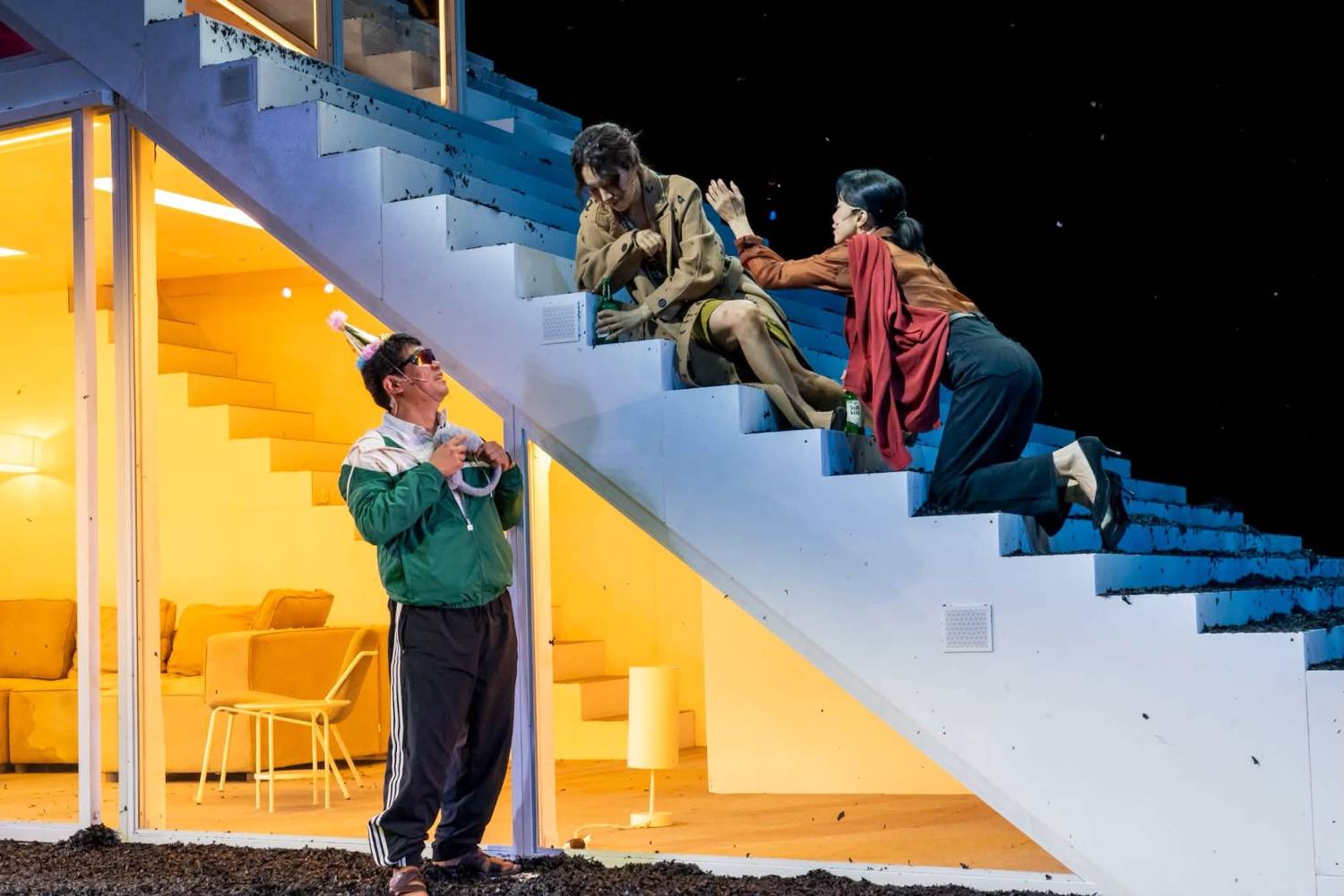
So… this brings me back to the question of our need to watch. Do we enjoy suffering? I think not. I think we want to understand it. We want to see what happens when people are forced to confront the things they have spent their lives avoiding. Is it possible for a family to remain a family when the circumstances that held it together are torn apart? I can’t help but wonder what I would do in their place. I cannot watch this family lose everything without thinking about my own. That is my uncomfortable truth—the recognition that comes when a story reaches somewhere you had not necessarily intended to revisit. I was watching strangers, in another language, in a world so different from my own, but I felt and understood everything. I recognized the shame. The denial. The instinct to pretend that things can still be put back the way they were. The exhaustion of watching people repeat the same mistakes over and over. The truth is that real change would mean admitting that your old life, and all that it afforded you, is gone. Family loyalty can become a prison. Acceptance does not necessarily mean surrender, and forgiveness does not mean that we should pretend nothing happened. You can love your family without abandoning who you are and what matters to you. Everyone around us carries their own histories, their own disappointments. It's not always about you.
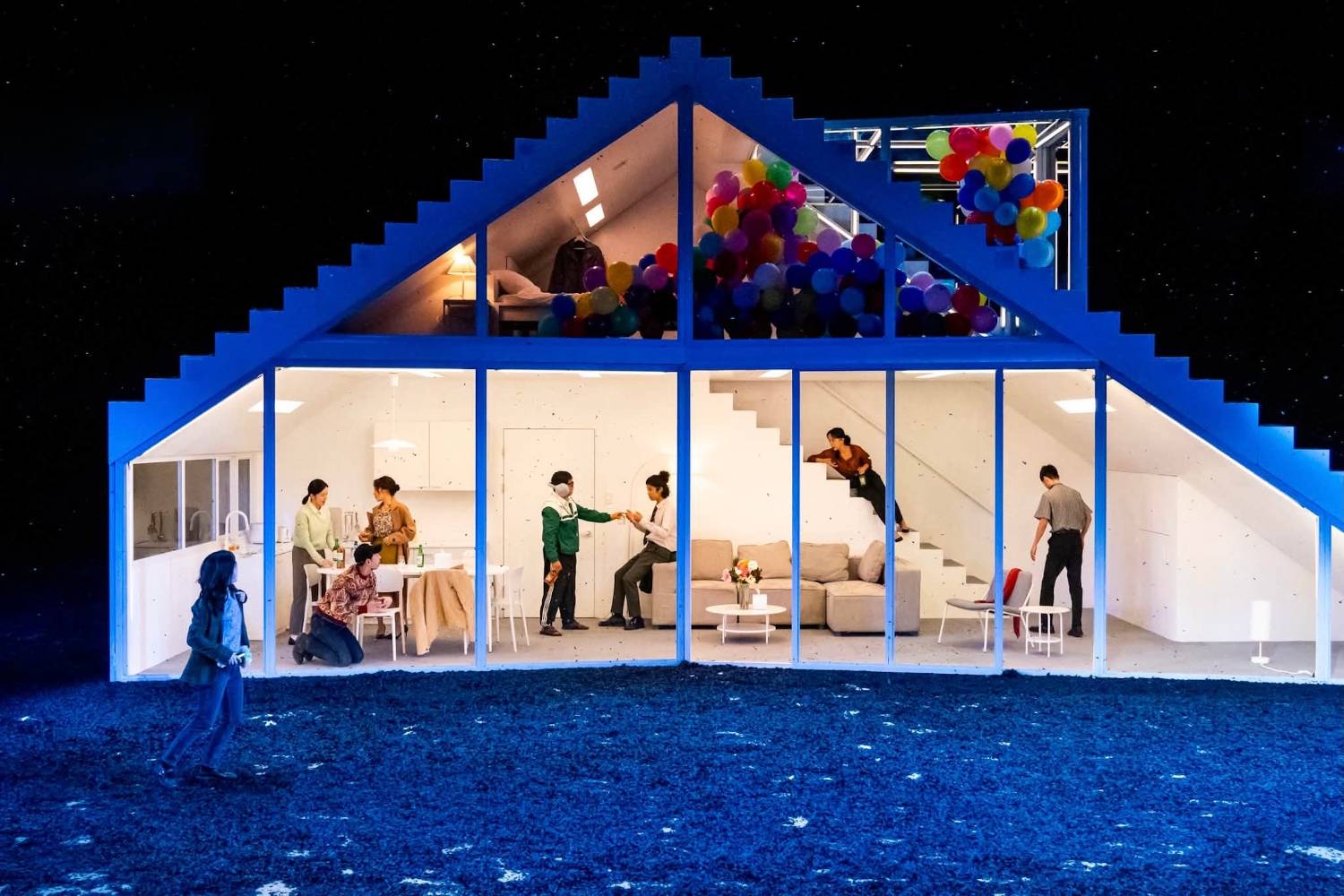
I don’t think that pain and loss are unimportant—quite the opposite. How would we be able to have true gratitude for all of life’s beauty without pain and loss? This piece endures like a phoenix rising from the ashes, retold because we look beyond ourselves to see the greater picture. That deep need for understanding will never cease to be a part of being human. We may not get to choose our families, but we do have the ability to decide what our relationships with them mean. Nothing in this life is promised, so there are no guarantees that the family will emerge from its suffering wiser, kinder, or changed at all. Chekhov has never offered an easy solution or coddling to life’s tragedies, and Stone's adaptation honors that code fully. I feel that we return to these stories because we are still trying to make sense of our own. We watch for the chance that we, too, could start again. We do suffer to feel seen, and I think in that suffering—if we really allow it to penetrate our hearts—we leave understanding others better. There is no sum of money or status great enough to bring back time or to give us more time. I have seen quite a few productions of The Cherry Orchard, but this was the only one where I had ever hoped for more time. Remarkable to say the least. This I know for sure—we will always keep coming back to the orchard.
production photo ©Stephanie Berger
