
Sarah Kane was only 28 years old when she died by suicide. When speaking about Kane, it is easy to begin there—to begin with the depression, the suffering, and the terrible circumstances of her death that have become such talking points surrounding her work. But I choose not to begin there. I want to begin with what Kane was trying to do with theater. Kane originally wanted to be a poet. But she came to believe that poetry could not contain everything she wanted to express. She was drawn instead to theater, writing that “theatre has no memory, which makes it the most existential of the arts.” That sentence feels almost like a declaration for Cleansed.
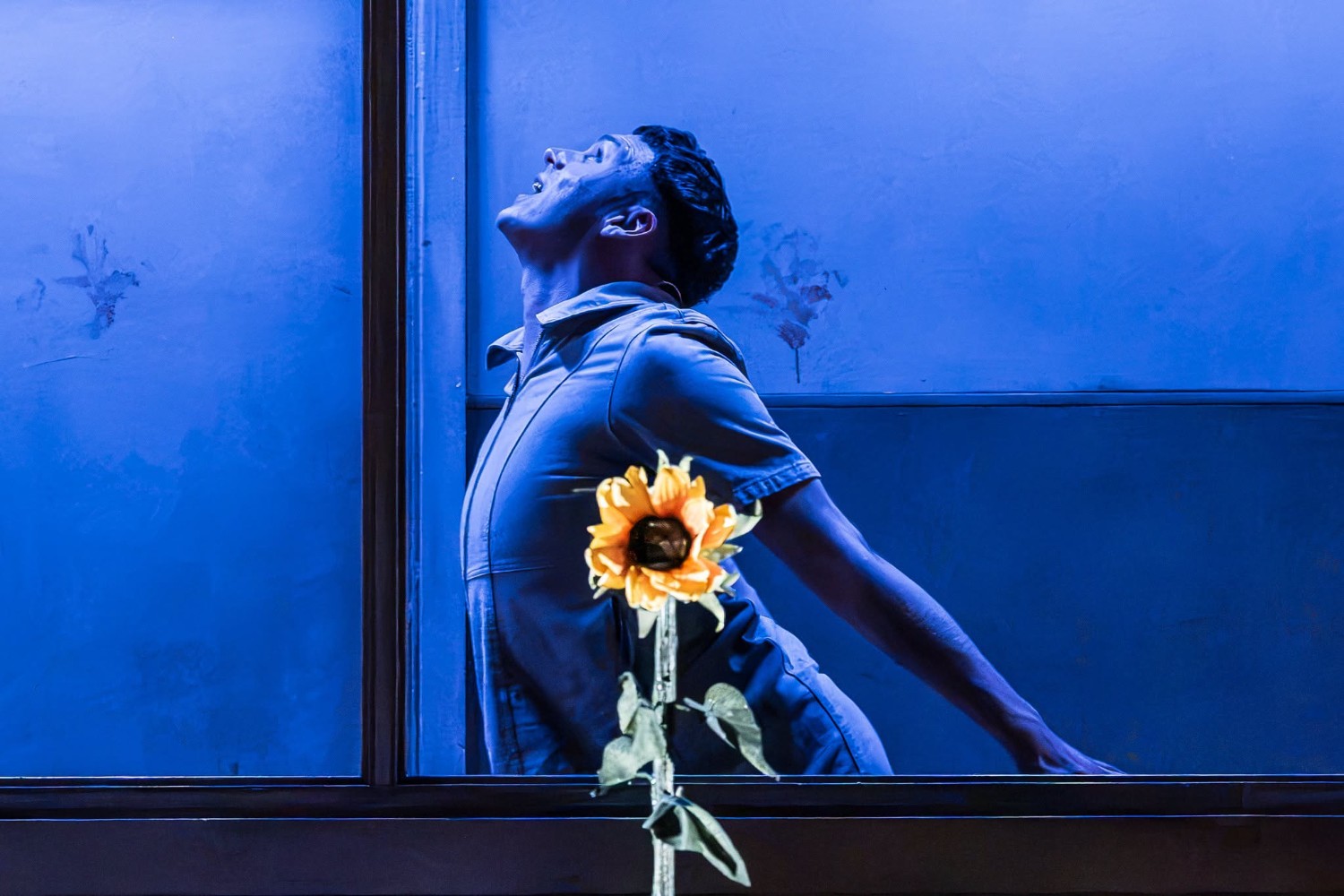
Kane understood something so fundamental about theater: sometimes images can reach us in ways that that language never can and never will. We need to see something before we can understand what we have been feeling. That is why I rebuke the thought that Kane's work can be understood simply through the lens of her depression, or ultimately… her death.
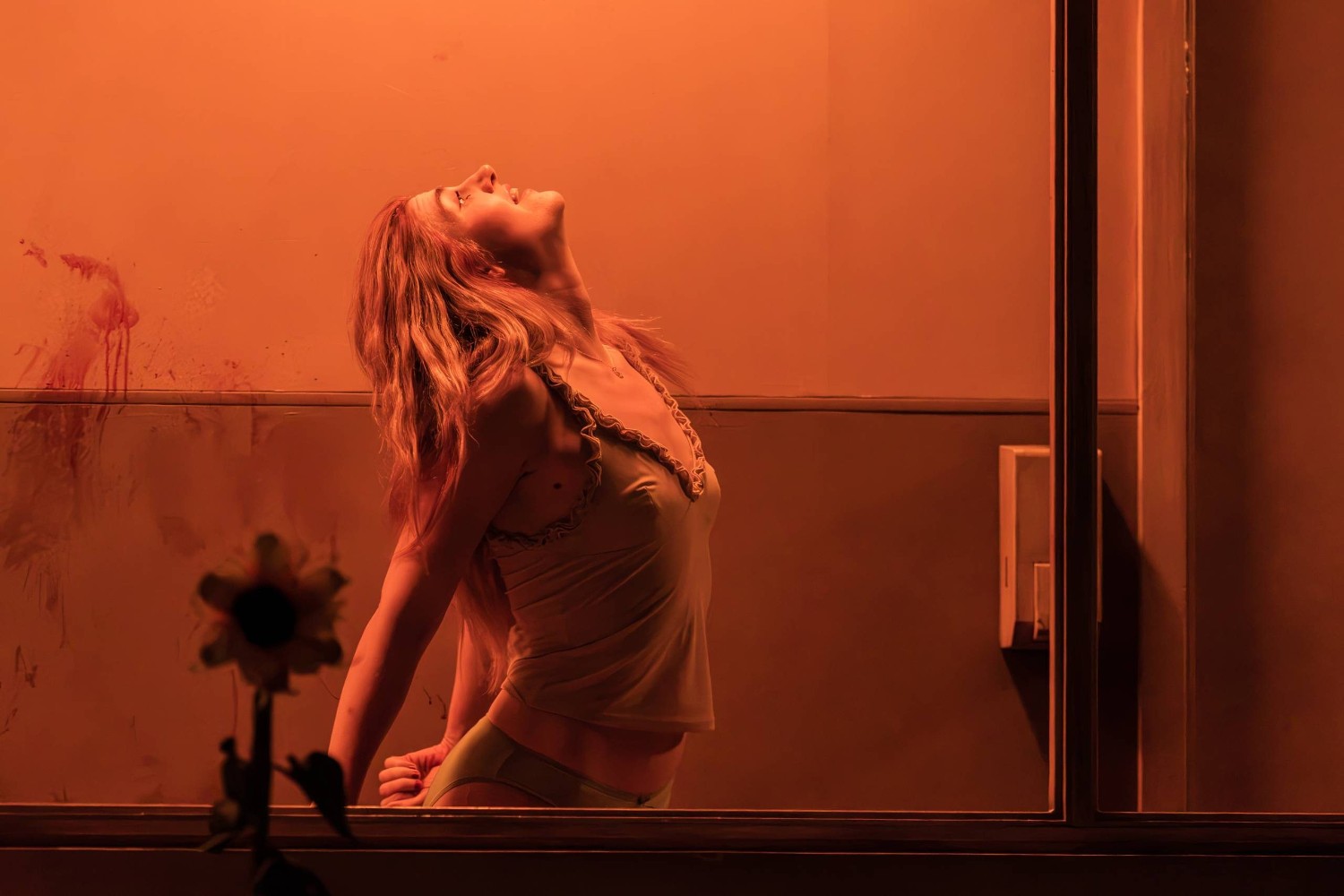
When I saw Cleansed in London, I did not see a playwright writing from illness or despair. I felt a heart so completely invested in the human need to connect—to belong, to be seen, and to be loved. I felt a woman trying, through theater, to make something invisible visible. The Almeida Theatre’s production of Cleansed did exactly that. While Kane's death has cast a shadow over many encounters with her work, I can’t help but feel that we have often looked too closely at the darkness surrounding her and not closely enough at what she was trying to show us. Cleansed is ultimately a play about Love. Though the abuse, mutilation, humiliation, torture, and many other horrors that characters face may push the mind to see otherwise, it is all rooted in love. One does not have to dig too deeply to understand that the characters in Cleansed have one major thing in common. They are not broken, they are all heartbroken. This, to me, is the most crucial piece of information to understanding this piece.
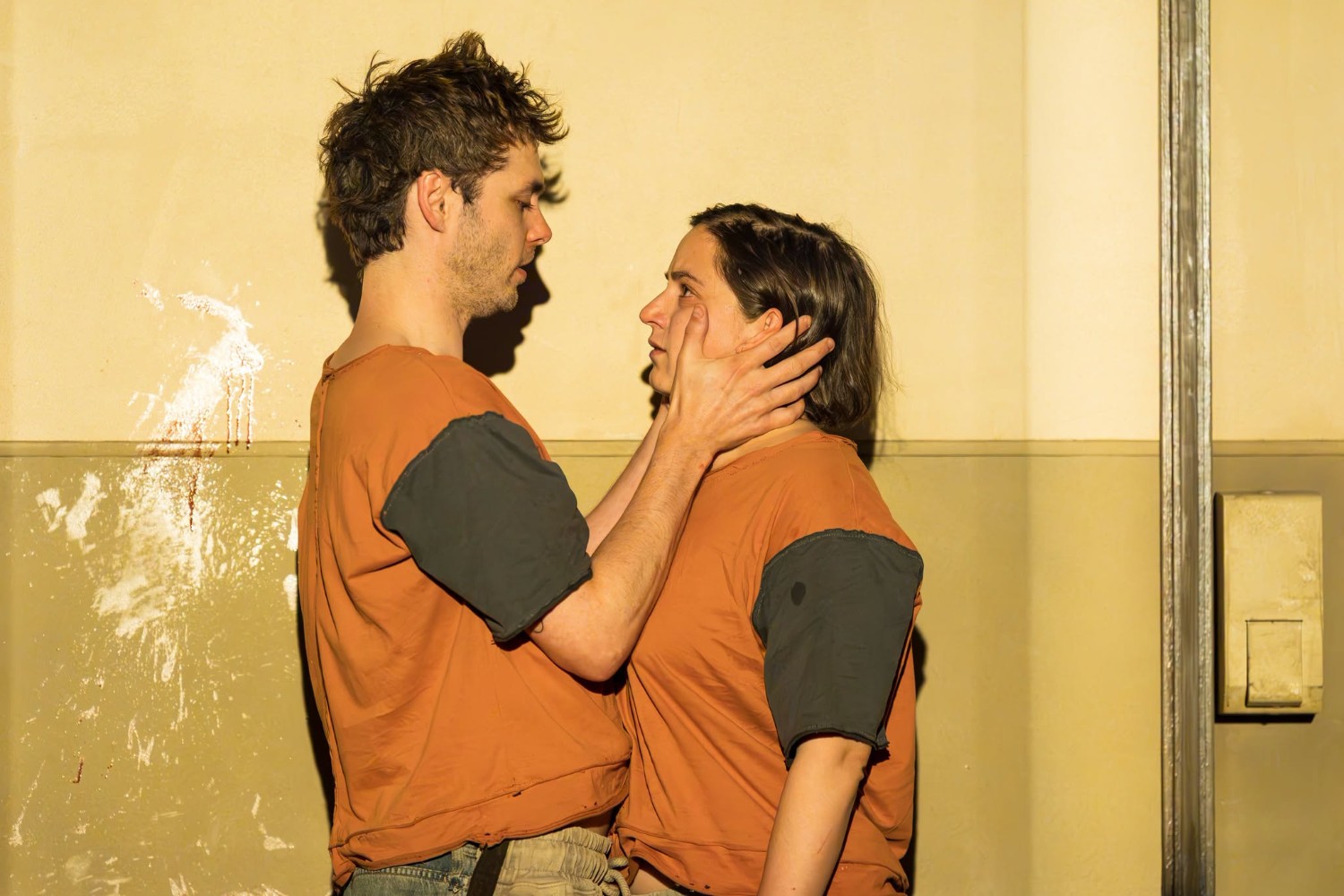
Where the production really affected me most profoundly, was during the extraordinary magic of Kane's iconic stage direction (one of the most moving theatrical moments I have ever experienced). Rather than simply having sunflowers emerge through the stage floor (as originally conceived), the entire stage receded and revealed a field of daffodils, and as the field appeared, I wept. My tears were tears of sadness, certainly. But strangely, there was also joy. Elation, and the sheer beauty of suddenly seeing something so unexpectedly alive amidst the chaos and the pain. An invitation to stop holding my breath. To live. Underneath all of that, I was still crying because of heartbreak. When the daffodils appeared it didn't erase what I had witnessed, for the flowers are born out of the suffering and the heartbreak. This distinction matters, because this is a play about love. Full stop.
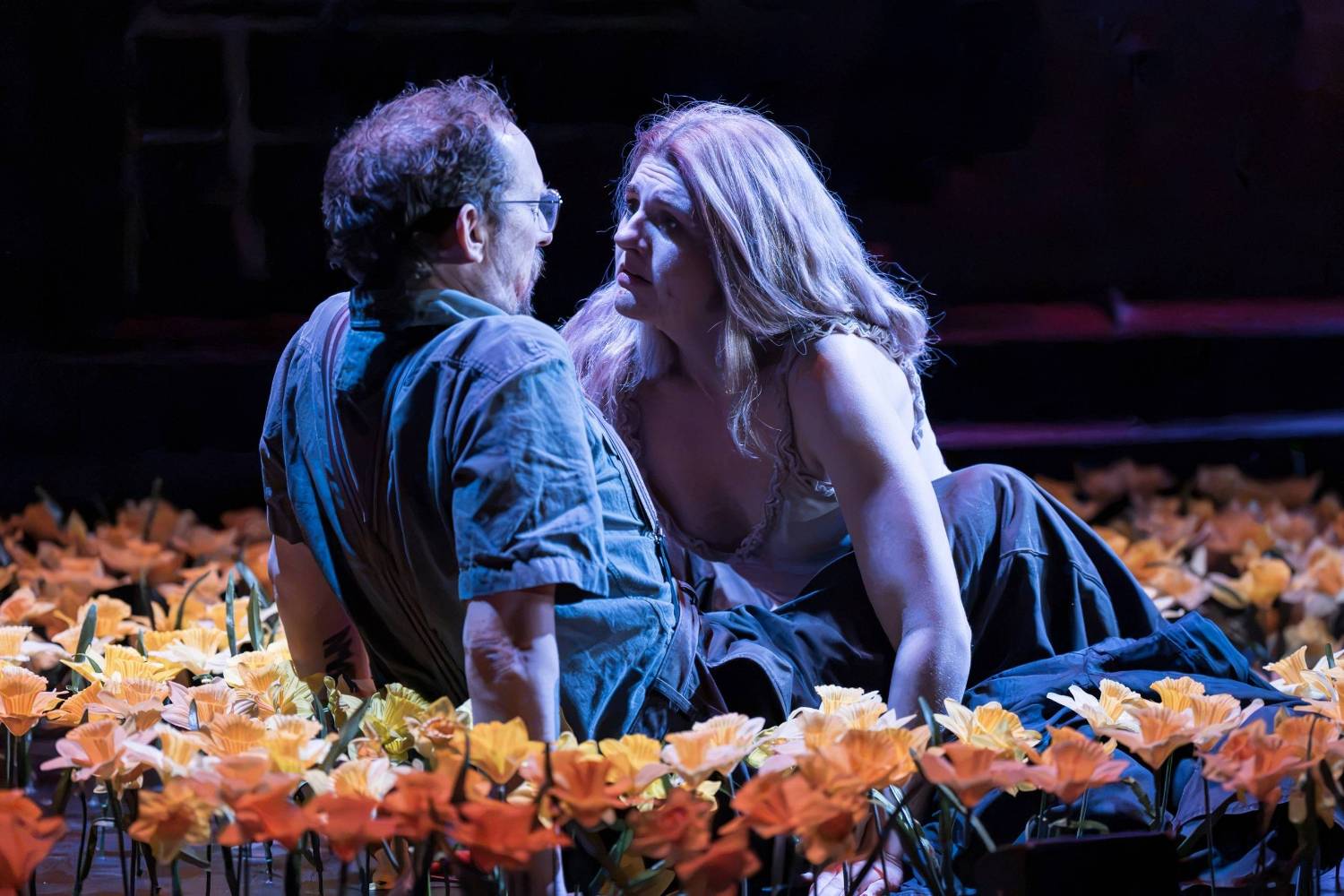
Cleansed doesn't make love sentimental, the play makes love dangerous. Love can do so much. It can free us from the past, but it can also keep us trapped inside it. It can make us feel more alive than one has ever felt, while at the very same time exposing the dark and wounded parts of ourselves we would rather not see. At times in Cleansed, love feels physically painful—a force that can keep the mind awake while the body is unable to move. A paralysis of the heart. Love can come from many places, but the hardest love often comes from the seemingly impossible struggle to love oneself. If we are lucky enough to let love help us to feel and see ourselves clearly, then maybe we can find something in ourselves that we thought had disappeared. As the great contemporary artist Tracey Emin displayed through her 2007 glowing neon sign, "I could have loved my innocence”. That is the only way, for now, that I can describe what I felt as the field of daffodils was revealed. They were not an escape from the horrors that had come before, nor did they undo the damages the characters and the audience had experienced. They didn't just appear and make the suffering abruptly meaningful or make everything all right. They were simply revealed. And that was more than enough.
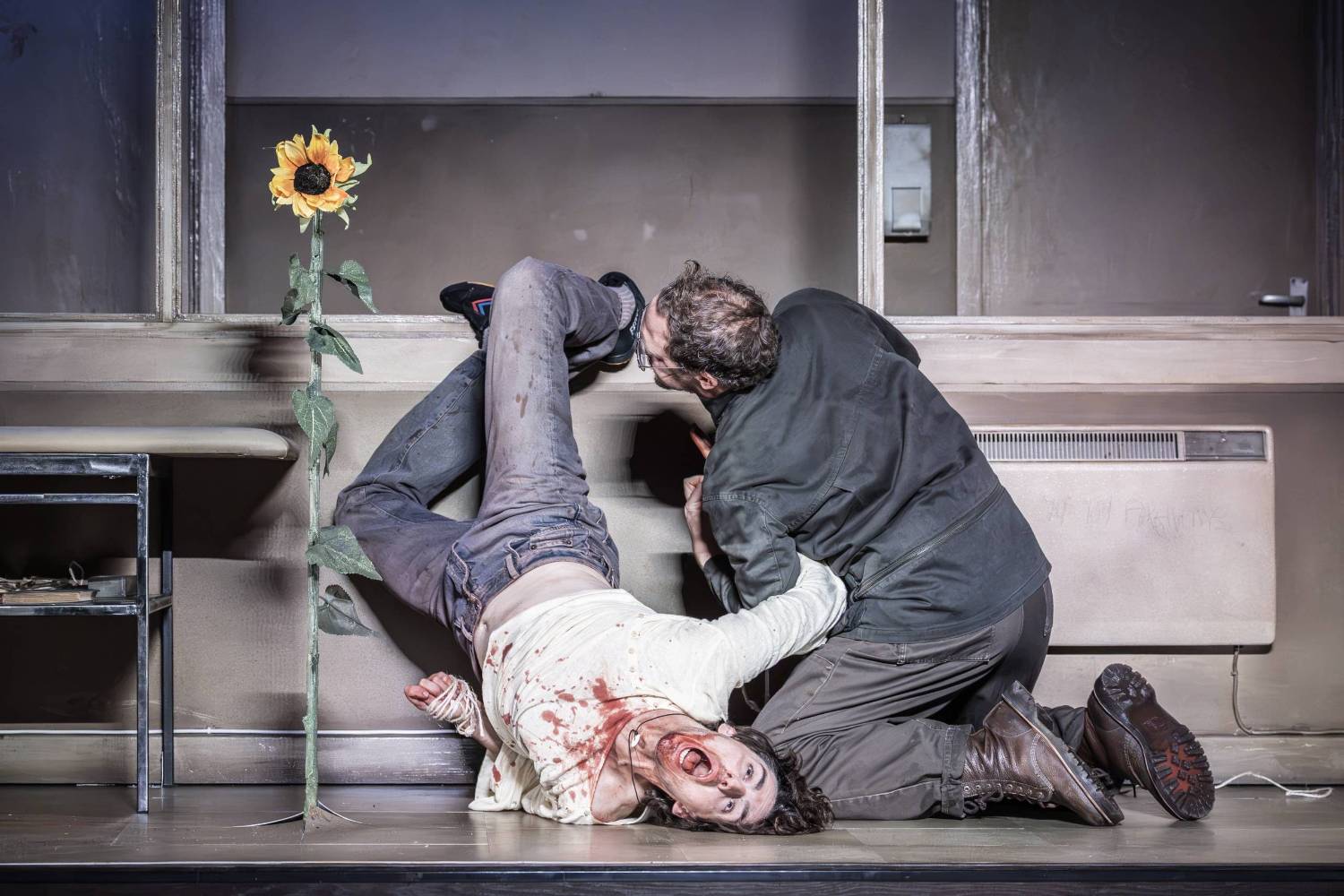
For me, the image became almost impossible to separate from the experience of watching the play. Beauty had not replaced the horrors. The two things had been existing together the whole time. That is what I think Kane understood so well about theatre. Kane didn't need to explain everything to us, in fact she refused. Throughout the Almedia’s production of Cleansed images were placed in front of us and allowed us to experience the contradictions and the heartbreak for ourselves. The sunflowers were to me, symbols of possibility without masquerading as answers. A sort of renewal, but not the clean, uncomplicated kind of renewal we usually see in plays.
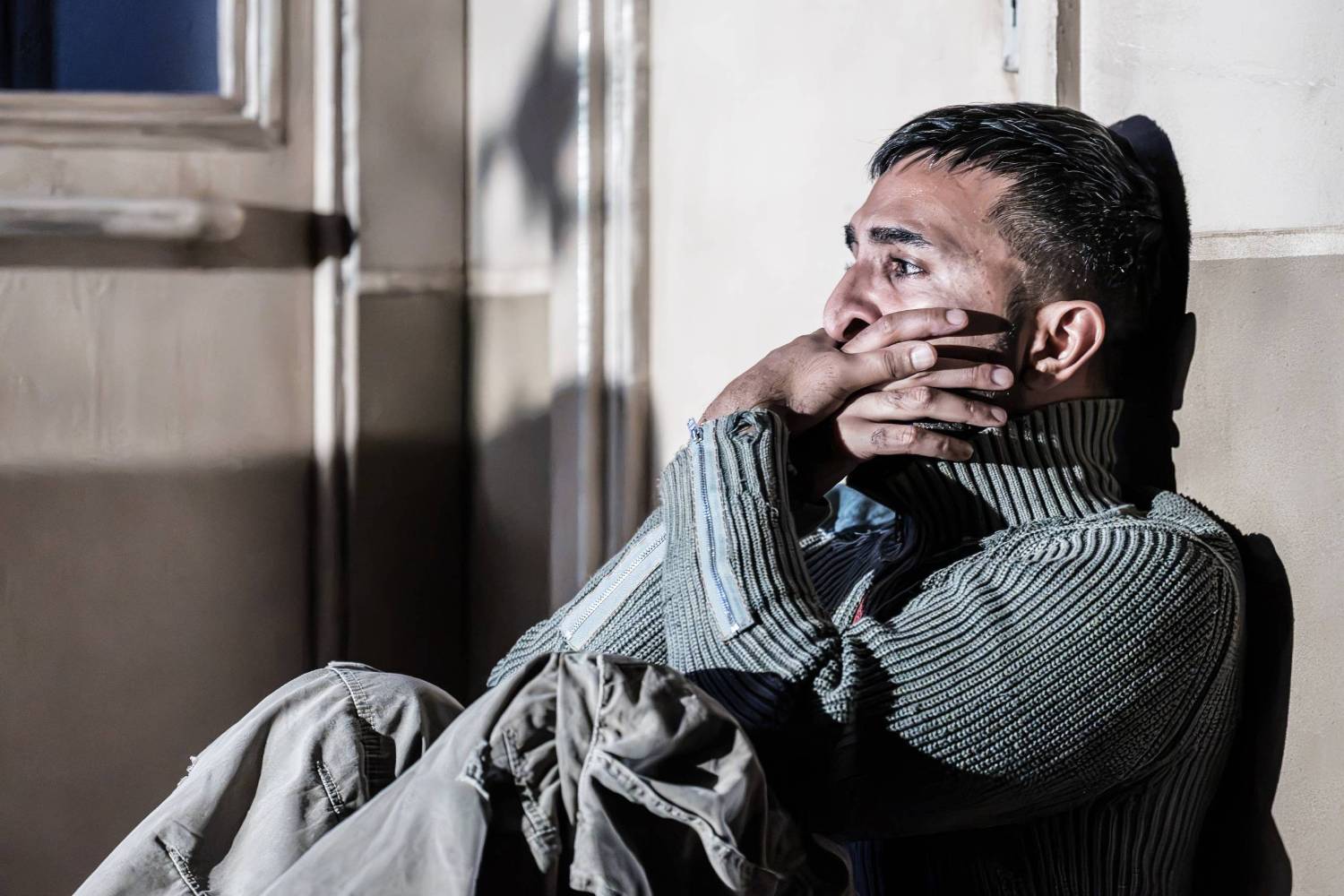
The darkness had not just vanished with no casualties. That is also why I find it difficult to reduce Kane's work to her biography. Her life mattered, and of course her death matters. It would be dishonest to pretend otherwise. But, Cleansed deserves and demands to exist beyond the circumstances of its author's short life. In my own feelings about Kane, I can't help wondering whether what actually haunts and informs Cleansed is not simply heartbreak as an emotion, but heartbreak as an existential condition—the space between our capacity to love and our ability to receive it, sustain it, and in the end survive it. For me, it is not something I can neatly explain. And for a brief moment as the audience was exiting the theater, I swear I could hear Kane whisper, “That’s how it’s done”. Cleansed is so much more than a play, it’s a feeling. And that feeling is Love.
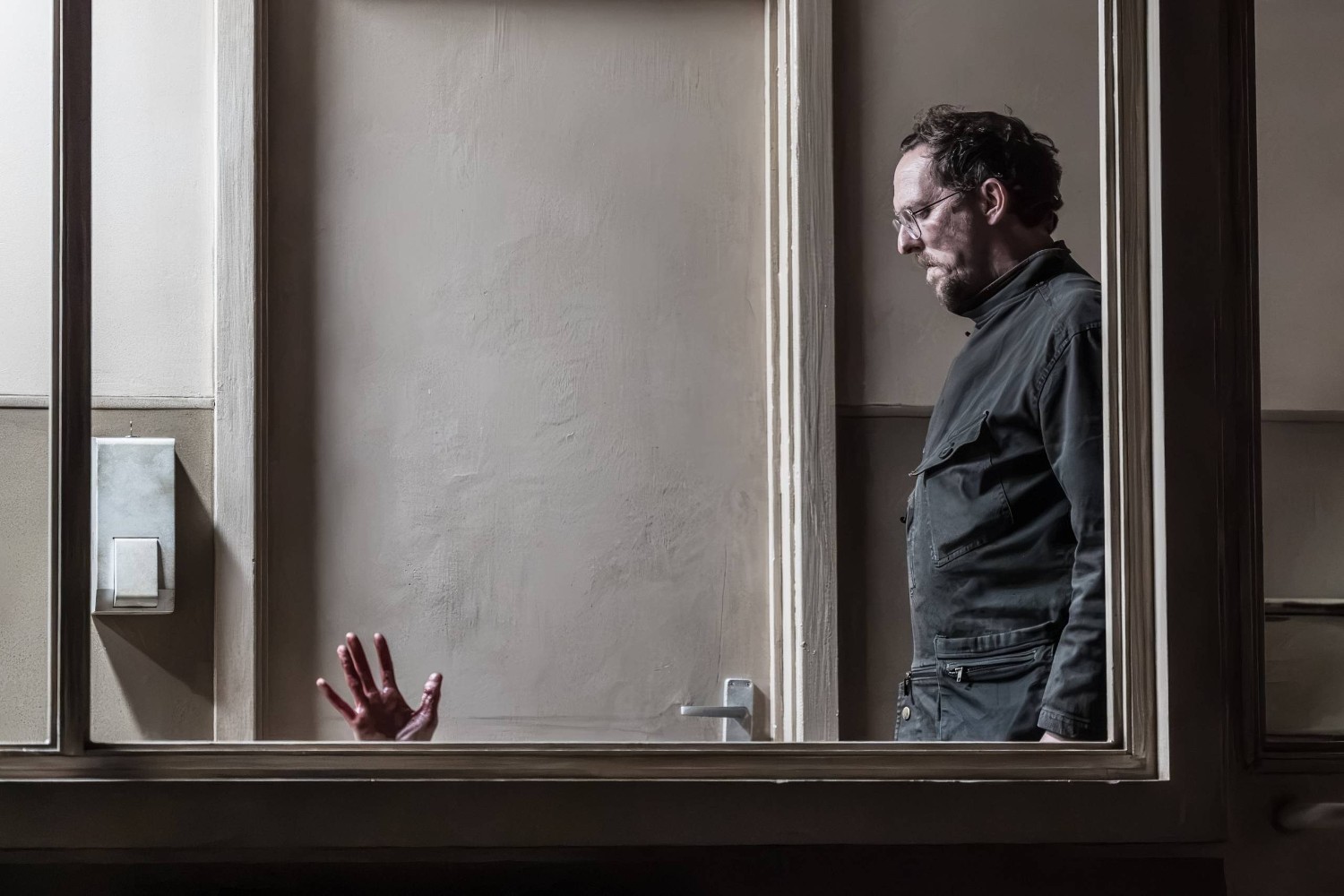
A huge thank you, and enormous respect, to the Almeida Theatre for handling this production with such care. To Rebecca Frecknall for her fearless precision and honesty. And to the extraordinary creative team for understanding that Kane's work should neither be sanitized nor sensationalized. And to the remarkable cast, who filled the stage with such trust, honesty, vulnerability, and devotion. I have never seen a group of actors onstage with that level of complete trust and care for one another. What they created stayed with me long after I left the theatre and will for life.
production photos ©Marc Brenner
