


Today, when we step into a theater, there are familiar scenes we encounter: a stage shaped like a picture frame, auditorium seats that turn pitch-black when the show is about to begin, curtain calls where actors step out as themselves rather than their characters to greet the audience after the show ends, and the massive musical markets represented by London and New York. However, looking back at the history of performing arts, these aspects that are taken for granted today are the results of technological and cultural transformations that occurred over centuries. Let’s explore the four decisive histories and behind-the-scenes stories that formed the framework of modern theater.
1. The Frame That Separated Stage and Seating: The 'Proscenium Arch' and the Fourth Wall
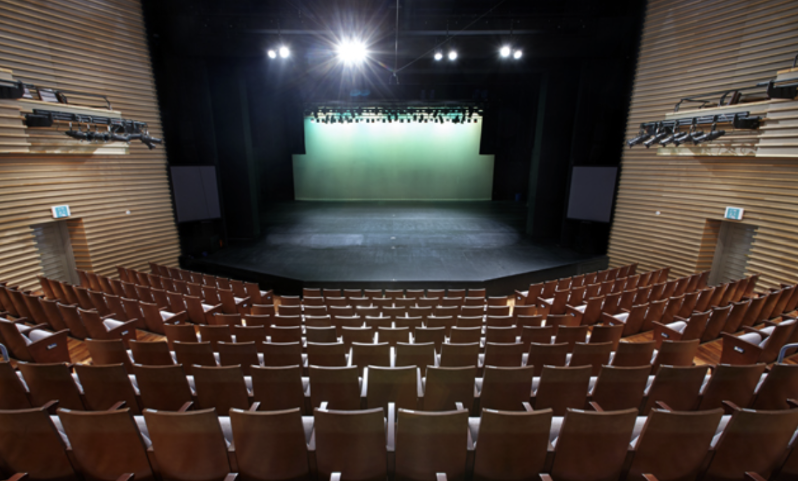
Let’s recall the inside of a modern theater building we frequently visit. Once inside the theater, we generally see a massive arch-shaped frame separating the stage from the seating area. This is called the 'Proscenium Arch.' It originated during the 16th-century Italian Renaissance. It is said that a major shift began as perspective drawing was introduced into stage art during the Renaissance. At that time, three-dimensional backdrop paintings began to be set up behind the stage, but a problem arose: the edges of these disposable paintings and the upper structural elements were exposed directly to the audience's view. To cleanly cover this up, carving out the wall on the top and both sides of the stage to erect a frame-shaped arch marked the beginning of the proscenium arch. The birth of this physical frame brought a decisive beginning to stage direction: the concept of 'The Fourth Wall,' which posits that an invisible, transparent wall exists between the stage and the audience. If previous theater was a format where the audience and actors directly breathed the same air and conversed in the same space, the audience after the proscenium arch shifted to a position of observing the world inside the frame from a third-person perspective.
2. A Theatrical Revolution Created by a Darkened Auditorium: The History of Blackout
The most distinct signal announcing the start of a performance is the 'blackout'—the dimming of the auditorium lights. However, just 150 years ago, audiences watched performances in fully lit auditoriums.
This was because theater lighting relied on candles or gas lamps until the mid-19th century. Consequently, it was technically impossible to independently control the lighting of the auditorium and the stage. Theaters back then were not merely places to appreciate performances, but strongly served as 'socializing venues' where people dressed up in fancy attire to visit and check out each other’s faces and outfits. Audiences freely ate food and chatted even during the performance.
The figure who completely transformed this scenery was the German composer and director Richard Wagner. In 1876, while building the Bayreuth Festspielhaus in Germany, he attempted the first-ever complete blackout by turning off the auditorium lights under the philosophy that "the audience must focus entirely on the illusion on stage." Although audiences initially expressed discomfort and fear, protesting fiercely, the darkness of the auditorium settled in as a powerful theatrical device that immersed individual audience members into the story on stage.