


Performing arts theaters in Korea, along with those in Japan, offer one of the quietest and most solemn viewing environments in the world. Before a performance begins, the pre-show announcement is always the same: "Except for bottled water with a cap, no food or beverages are strictly allowed inside." This is to prevent any sounds such as rummaging through a bag or consuming food from disrupting the lines and acting from the very start. Consequently, even the term 'siche gwangeuk' (zombie-like viewing), which refers to a viewing style of maintaining absolute silence, was coined.
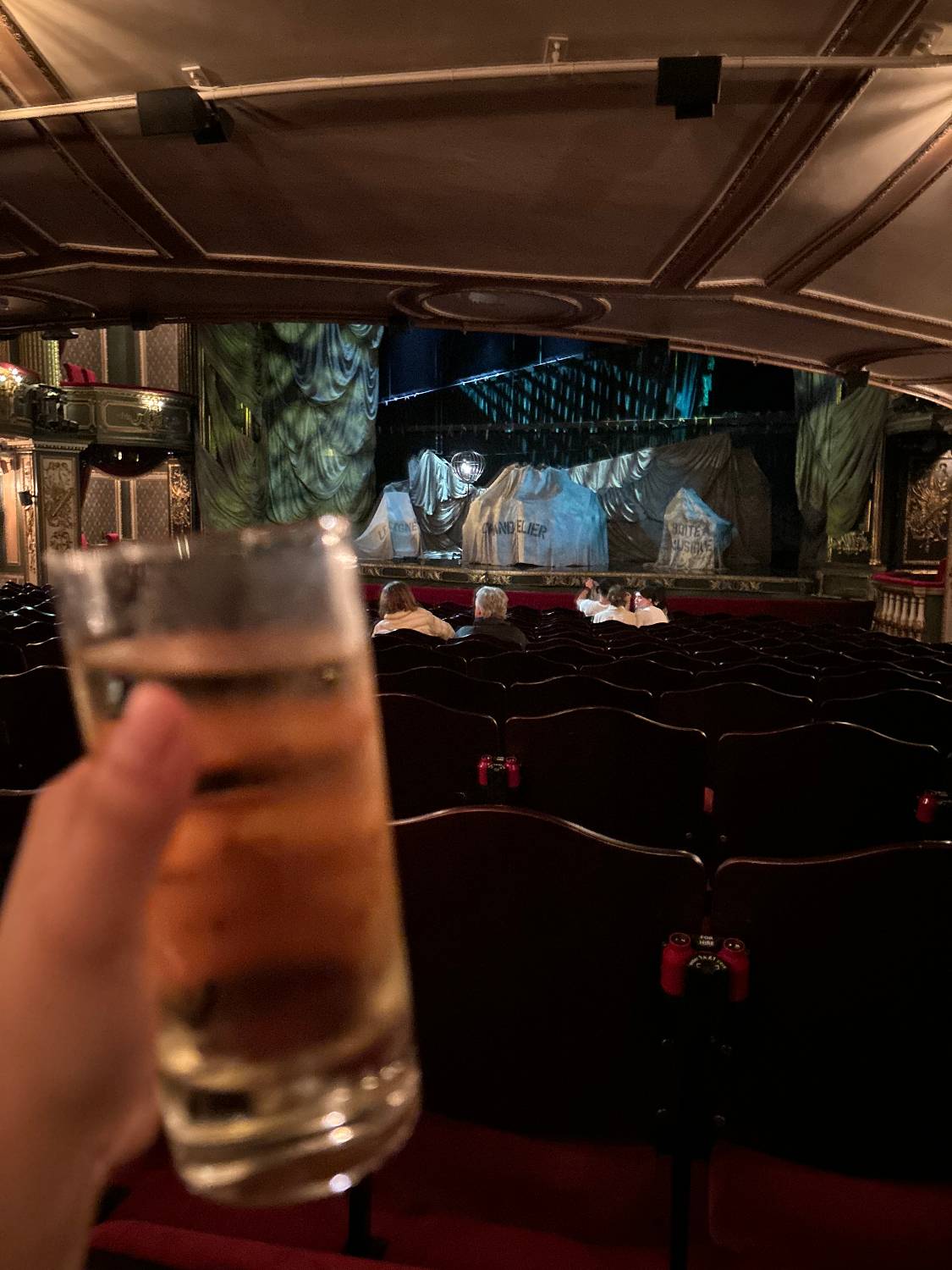
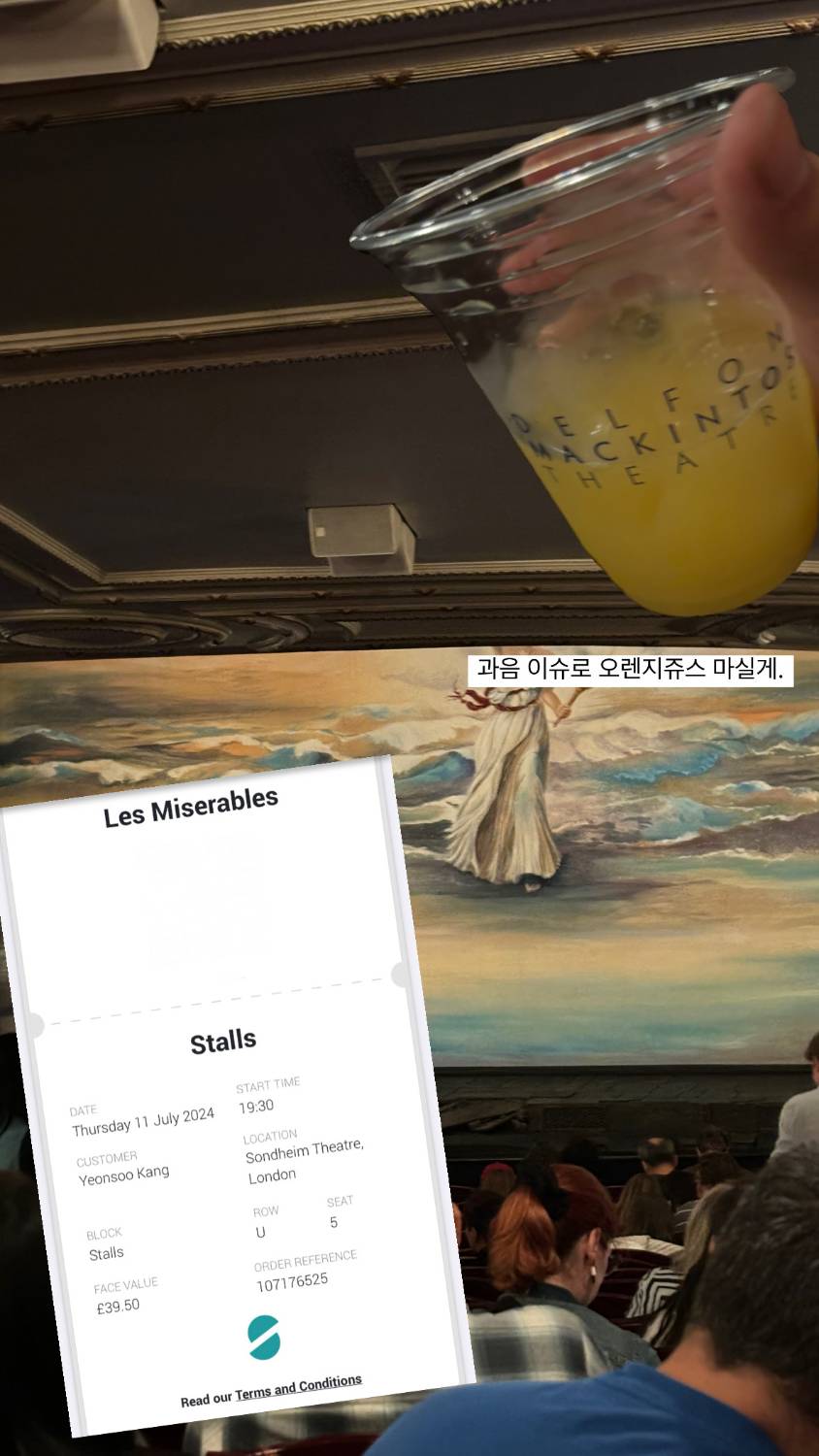
However, other countries on Earth have a completely different viewing culture. The theaters I have visited so far in the United States, Canada, and the United Kingdom showcase a scenery distinct from Korea and Japan. The front of the theater resembles a lively bar or pub. Even before watching the show, people chat excitedly and enjoy beer, wine, cocktails, and snacks. What is even more surprising is that all these food items can be brought inside the theater and consumed there.
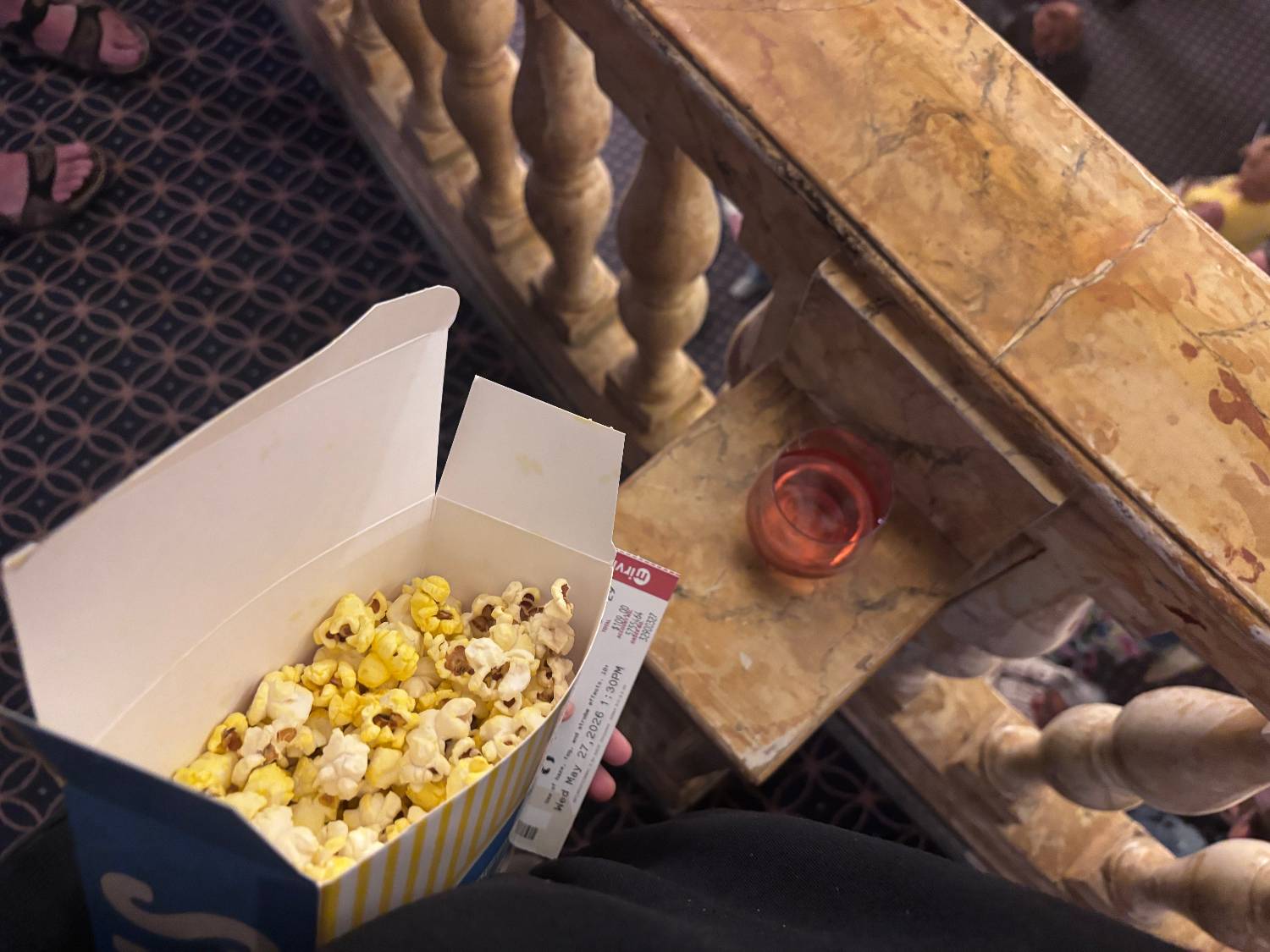
In addition, an intermission drink pre-order system has recently been introduced in theaters. If you pre-pay for wine, finger foods, or simple snacks to consume during the intermission the break before Act 2 begins you can immediately enjoy your drinks set out at a designated table without waiting in a long line during the brief 15-minute intermission. In Canadian, American, and British theaters, intermission is not merely a short break or a time to go to the restroom, but a place of conversation where people share their thoughts on Act 1 with their companions while having a drink.
Why, then, are major overseas theaters so generous with beverage and alcohol consumption? The first answer lies in their cultural and historical background. In the past, among the Western middle class, performing arts were not so much a realm of perfect appreciation and luxury like that of the upper class, but rather an extension of entertainment and socializing getting together with friends and family after work or on weekends to eat, drink, and relieve stress. In London, England, Shakespeare and the theaters of his era were also dynamic spaces where the common people drank alcohol, ate food, and cheered or jeered at each other and at the plays. This tradition has carried over into modern theater culture, giving rise to a culture different from Korea and Japan, where people watch performances quietly. Therefore, the act of accompanying a performance with a drink has come to be regarded as a thoroughly natural pleasure.
Why does Korea's performance viewing style pursue tranquility? Korea's way of watching performances is deeply connected to the history of how modern theater was introduced. Korean theater (excluding Madangnori) is rooted in Sinpageuk (melodrama) and Singeuk (modern drama) that were introduced through Japan during the Japanese colonial period. In traditional Japanese performing arts such as Kabuki, there was a very strong notion of viewing the stage not simply as a space for acting, but as a sacred domain where gods descend or where one's artistic soul is dedicated. People took off their shoes and kept the space exceptionally clean. As this culture of holding the stage in solemn and high regard passed into Korea, it settled into a culture of extreme respect and immersion toward the actors' performances and the artwork.