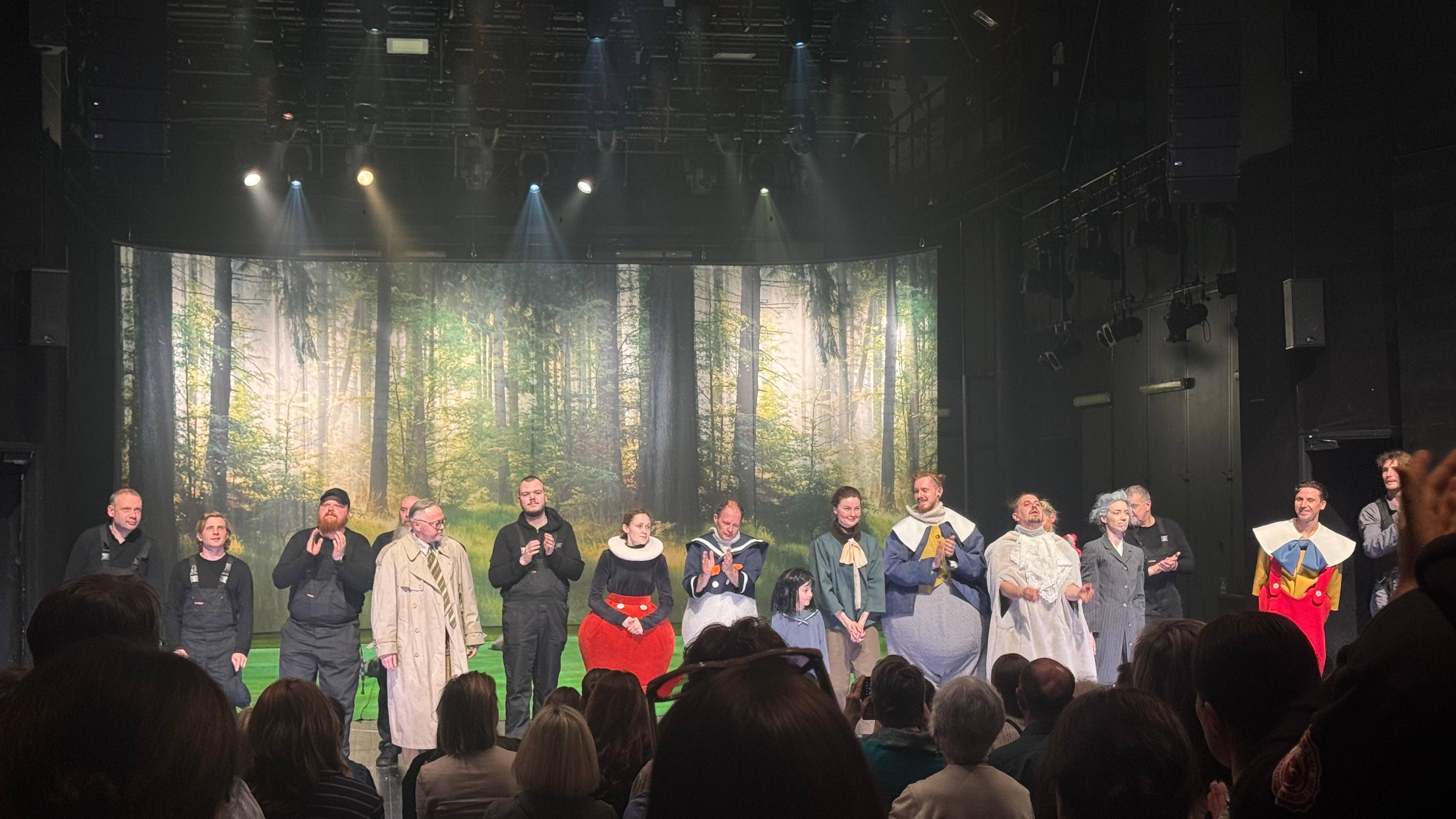
Immersive performances
have recently gained attention for breaking the traditional boundary between audience and stage. Unlike conventional theater, where spectators remain seated,
immersive theater invites the audience
- to enter the performance space,
- actively participate,
- and explore freely.
Attendees become participants rather than passive viewers, experiencing unique narratives based on their choices and movements, as seen in works like “Sleep No More” and “Burning Field.”
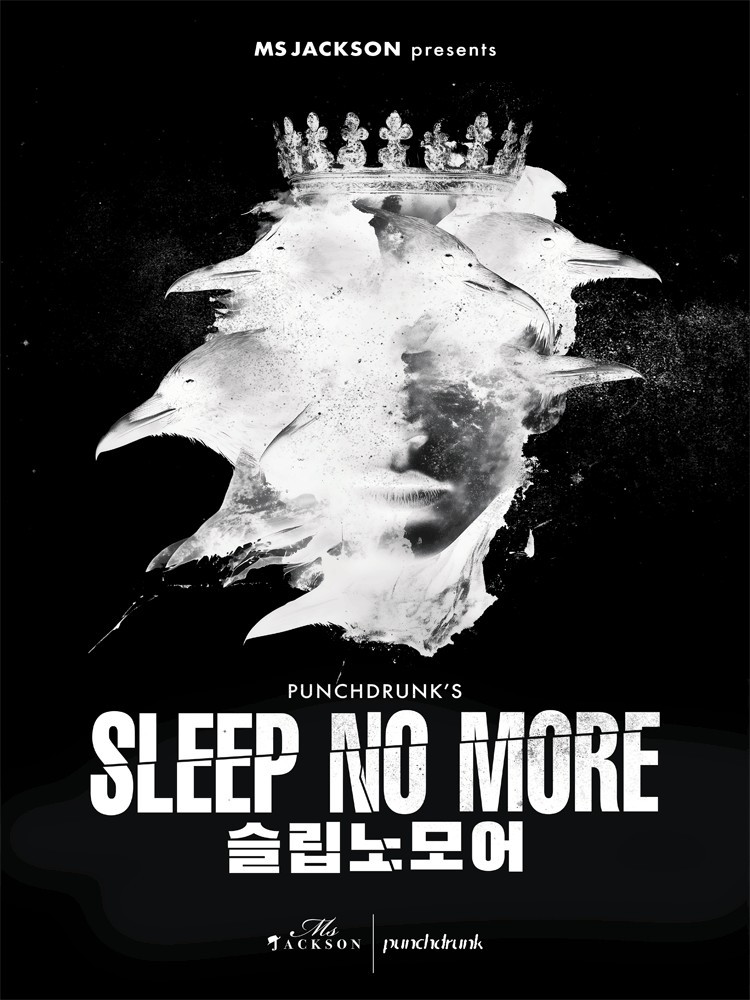
Sleep No More
is an immersive theatrical production inspired by Shakespeare’s tragedy Macbeth. The audience is free to wander through a vast, hotel-like space, choosing which scenes to follow and observe as they unfold in different rooms. Upon entry, audience members wear white masks, allowing them to become anonymous participants within the performance. With minimal dialogue, the story is conveyed primarily through movement, space, and sound, inviting the audience to step inside the world of the performance and actively piece together the narrative themselves.
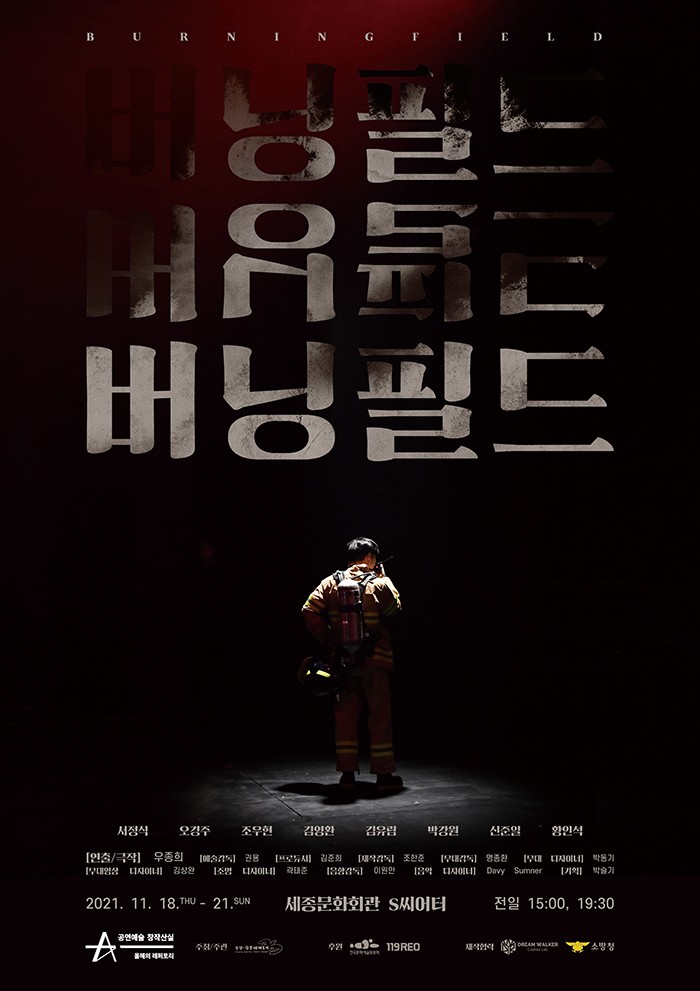
Burning Field
is a Korean immersive theatre production that invites the audience to reconstruct the narrative rather than follow a single, linear storyline. Set in the aftermath of a tragic event, the performance presents fragmented memories and overlapping timelines of characters connected to the incident. As spectators move through the space, they gather scattered clues and actively piece together the truth behind the event. With minimal dialogue and a strong emphasis on movement and spatial design, the performance allows each audience member to form their own unique interpretation of the story.
Key features of immersive theater
include audience mobility and active involvement, use of multiple senses beyond sight and sound to enhance immersion, transformation of unconventional venues like abandoned factories into performance spaces, and open narrative structures where multiple stories unfold simultaneously.
This approach shifts theater from a one-directional show to an interactive experience.
However, immersive theater also faces challenges.
Actors may find their individual presence diluted in large, dispersed spaces. Some performers express concerns about losing personal recognition, since audiences often recall characters or experiences rather than specific actors. This blurs the traditional relationship between actor, script, and audience.
Despite these issues, immersive theater's popularity reflects a shift in how audiences consume content.
People now prefer accumulating personalized, sensory-rich experiences over passive viewing. They seek unique stories tailored by their choices and value sharing their personal experiences more than just narratives.
Looking forward, theater will likely evolve into a collaborative art
where the audience acts as co-creators. Spectator choices will shape performances, making each showing unique. Performance venues are expected to expand beyond traditional theaters to varied urban locations, integrating space as part of the storytelling. Maintaining a balance between audience participation, narrative coherence, and actor presence will remain essential.
In conclusion, immersive theater represents a transition from passive story consumption to active experience accumulation. It transforms audiences into participants deeply engaged in the narrative, promising richer and more diverse theatrical experiences. This evolution opens exciting new possibilities for creativity in the performing arts.