

Every summer, the small and beautiful historic city of Avignon in southern France transforms into a vast melting pot of world theatre and performing arts. The Festival d'Avignon — ranked alongside the Edinburgh Festival as one of the world's foremost performing-arts festivals — reached the meaningful milestone of its 80th edition in 2026. The year held particular significance: it marked both the 140th anniversary of diplomatic relations between Korea and France and the festival's own 80th birthday. Against this backdrop, Korean was selected as the official invited language (langue invitée) — the first Asian language ever to receive this distinction and only the fourth language in the festival's history — drawing warmer global attention than ever before. Following English, Spanish, and Arabic as a main language of the festival, Korean rang out across Avignon's ancient fortresses and historic stages for roughly three weeks, from 4 to 25 July, leaving an indelible impression of K-performing arts' boundless artistic depth on audiences from around the world.
The Festival d'Avignon traces its origins to a bold venture by director and actor Jean Vilar in 1947. A single experiment — combining a contemporary art exhibition with theatre in the courtyard of the Palais des Papes, a UNESCO World Heritage Site — became the founding moment of what is today a festival that leads global performing arts. The festival operates along two main axes. The first is the official "In" programme, in which the festival's director and artistic director personally curate and invite works presented at major heritage sites including the Cour d'honneur of the Palais des Papes. The second is the "Off" festival, in which countless independent companies from around the world participate on their own initiative, filling the city's small theatres and streets with energy. The three keys that frequently appear on festival posters are drawn from the coat of arms of the city of Avignon; they represent heaven, hell, and the city itself — a reminder that Avignon as a whole is one great theatre.
Korean's designation as the official invited language of the 2026 festival is the world's acknowledgement of the language's singular musicality and its value as a stage language — a recognition that extends well beyond popular culture into the realm of pure performing arts. Artistic director Tiago Rodrigues explained that he chose Korean precisely because he wanted to move away from globally dominant languages and invite one that is deeply rooted in its own particular place and history while possessing an intense expressive power on stage. Of the 47 works officially selected for the In programme, no fewer than nine were Korean productions — the largest presence of Korean work on the official stage since 1998, a gap of 28 years, and an unparalleled record in the history of Korean performing arts.
The Korean works presented at the 2026 Festival d'Avignon drew a combined audience of some 21,000 people, with the vast majority of performances selling out entirely — a remarkable achievement met with widespread acclaim. The work that attracted the most singular attention was the reading performance "Oiseau (Bird)," staged in the Cour d'honneur of the Palais des Papes. Based on Nobel Prize-winning author Han Kang's novel We Do Not Part, the performance brought together Korean acting legend Lee Hye-young and leading French actress Isabelle Huppert to convey, with deep resonance, the tragedy of the Jeju April Third Incident and the enduring power of human compassion. Toward the end of the performance, Han Kang herself stepped onto the stage to continue the reading, and the roughly 2,000 audience members present were instantly captivated, rising to their feet in a wave of thunderous applause.
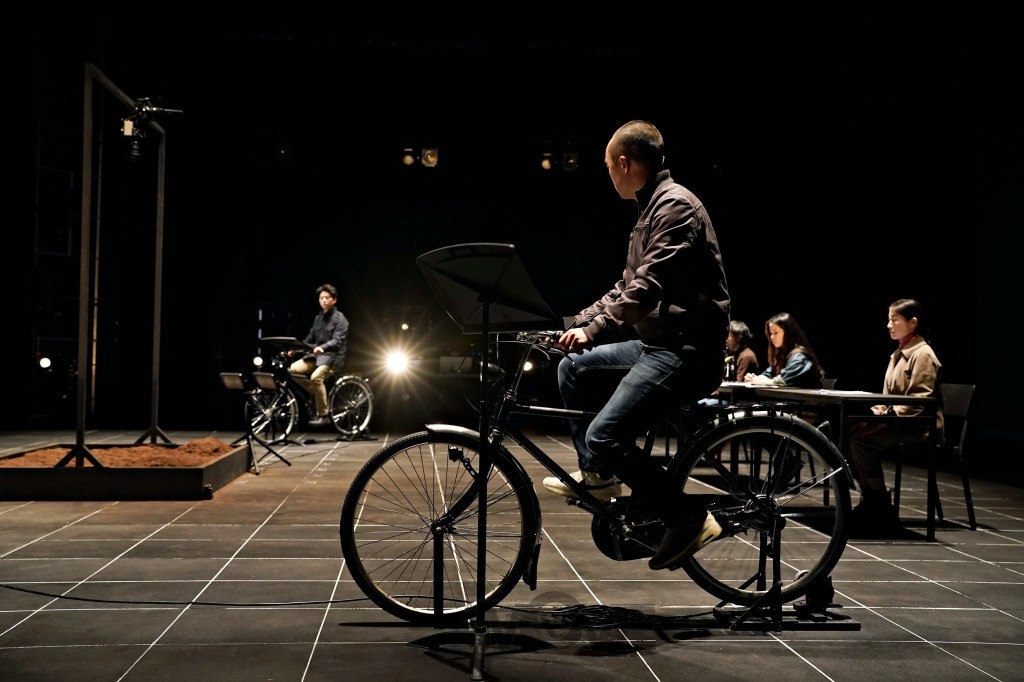
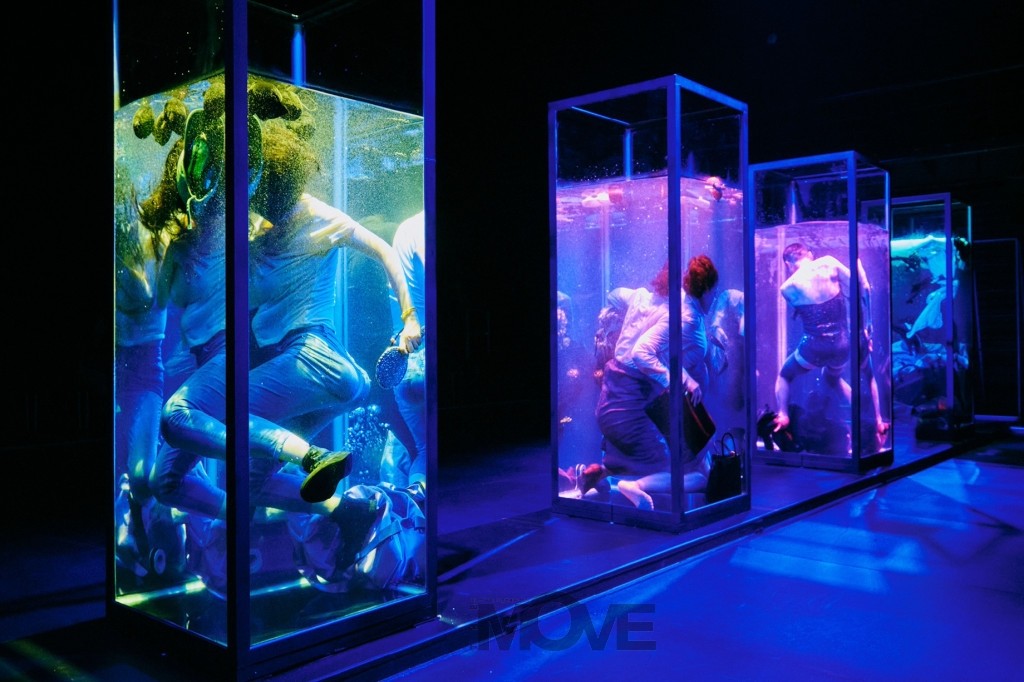
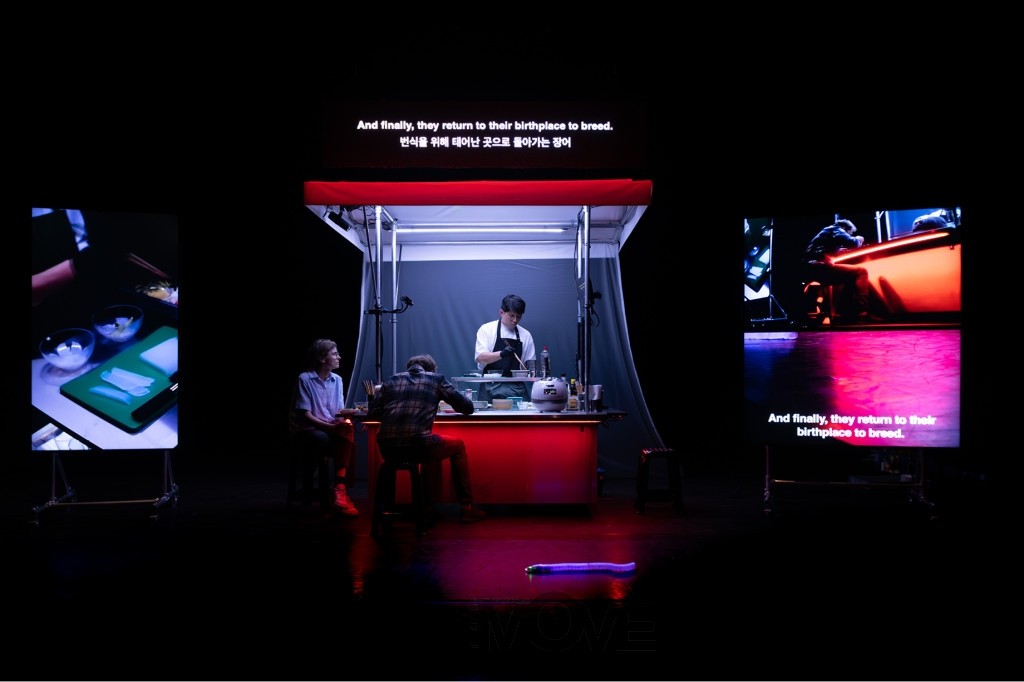
Beyond literature, the rich and varied spectrum of Korean art — spanning tradition and modernity — held Avignon in its thrall. Vocalist Lee Ja-ram's original pansori work "Snow, Snow, Snow" offered a consummate pansori reimagining of Tolstoy's Master and Man, earning rapturous praise from leading local media including Télérama, which called it the finest discovery of the festival — a work that drew audiences into total immersion. Choreographer Heo Sung-im's "1°C," a physical theatre piece expressing the climate crisis through the lens of a heatwave, prompted profound reflection on human-made catastrophe through sheer overwhelming energy. Playwright Ku Ja-ha, recipient of the Ibsen Award — often called the Nobel Prize of theatre — presented a triptych comprising "Cuckoo," "History of Korean Theatre," and "Haribo Kimchi," complemented by a Korean food experience that offered audiences a wholly original artistic encounter. Also selling out to full houses were Lee Kyung-sung's "Island Story" and Lee Jin-yeop's "Mulil," both exploring the lives of Jeju haenyeo and the island's painful history, as well as Liquid Sound's "Gin: Yeonhui Haechae Project I," a contemporary deconstruction of traditional Korean performing arts — each work a testament to the depth of Korean performance.
The 80th Festival d'Avignon did far more than offer a one-off showcase of Korean work — it laid a solid bridgehead from which Korean performing arts can continue to advance into the global mainstream. Cultural institutions from both countries, including the Arts Management Support Center, held international networking events during the festival to discuss global distribution networks and collaborative partnerships in depth. Artistic director Tiago Rodrigues declared that this invitation to Korean was not a one-time event but the beginning of an ongoing collaboration. The narrative power and theatrical resonance of the Korean language, confirmed at the very centre of the world arts community, has opened with brilliance the curtain on a new golden age for K-performing arts on the global stage.