
When we think of cultural heritage, we often imagine ancient monuments, traditional crafts, or artistic forms carefully preserved from the past. Germany, however, offers a different understanding of what heritage can be. In Germany, heritage is not only found in what is performed on stage, but also in the culture that surrounds theater: the people who gather, the conversations that follow, and the shared experience of reflecting on society through performance.
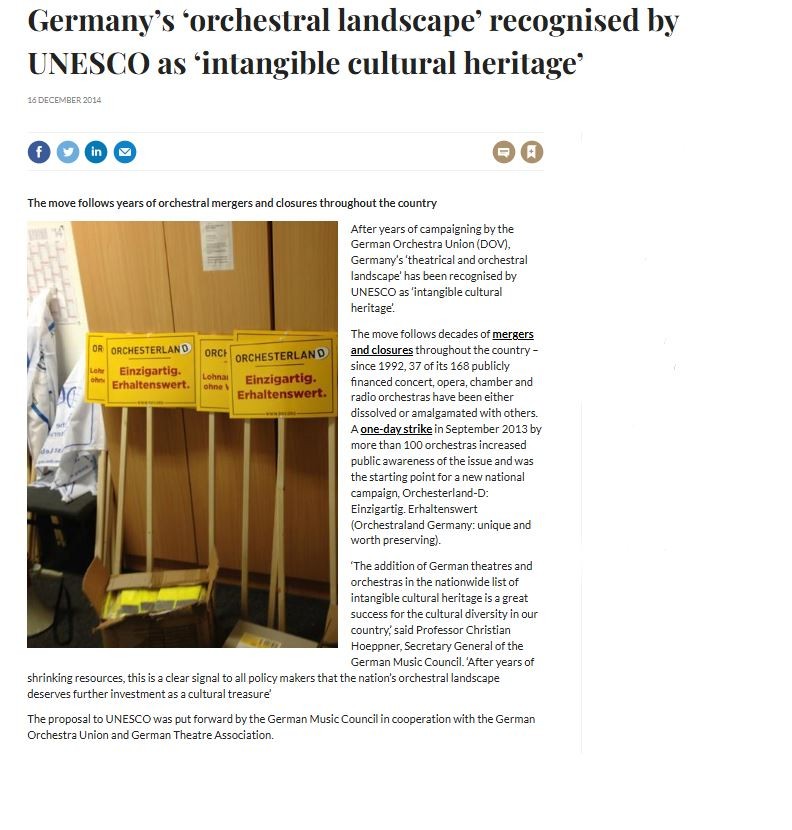
In 2014, Germany recognized its theater and orchestra landscape as part of its national intangible cultural heritage. What makes this recognition distinctive is that Germany did not choose a single masterpiece, playwright, or theatrical style as the symbol of its heritage. It was not Goethe’s Faust, Schiller’s The Robbers, or Brecht’s Mother Courage and Her Children that represented the tradition. Instead, Germany highlighted a living cultural practice: public theaters, resident ensembles, dramaturgs, audiences of different generations, educational programs, and the tradition of gathering together to discuss the meaning of art and society.
Germany’s intangible cultural heritage is not a single play or theatrical tradition. It is the entire ecosystem surrounding theater: artists, orchestras, venues, and audiences who gather to experience and discuss performances together. What Germany chose to preserve was not only what happens on stage, but also what happens between the stage and society.
This approach reveals something essential about German theater culture. A performance is not considered complete when the curtain falls. The theater continues through conversations between audiences and artists, through debates after performances, and through questions that remain in people’s minds long after they leave the theater. The stage becomes not only a place for storytelling, but also a public space where communities examine their values, history, and future.
The roots of this idea can be traced back to ancient Greece, where theater was closely connected to civic life. In Athens, tragedies and comedies were not merely entertainment; they provided citizens with opportunities to reflect on justice, power, war, and human responsibility. Although the definition of “citizen” in ancient Athens was limited, the idea that theater could serve a public purpose deeply influenced later European thinkers.
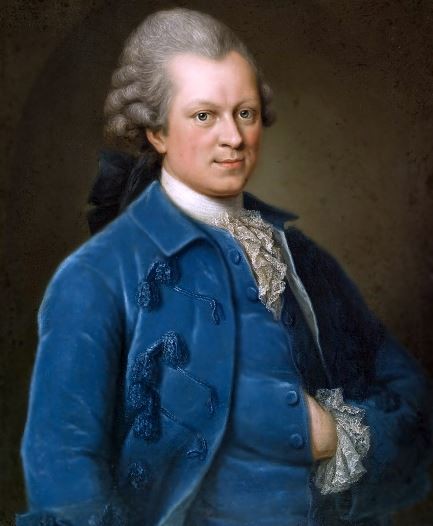
During the Enlightenment of the eighteenth century, German intellectuals developed a similar vision. They believed theater could become a place where citizens cultivated reason, empathy, and moral awareness. One of the most important figures in this transformation was Gotthold Ephraim Lessing (1729–1781), a German writer, philosopher, and literary critic who is often considered the first modern dramaturg.
At the Hamburg National Theatre, Lessing argued that theater should do more than entertain aristocratic audiences. It should educate citizens and encourage public discussion. Through his writings, especially Hamburg Dramaturgy, he explored how theater could represent human experiences and provoke thoughtful responses from audiences. His ideas helped establish a tradition in which theater was understood as a conversation between the stage and society.
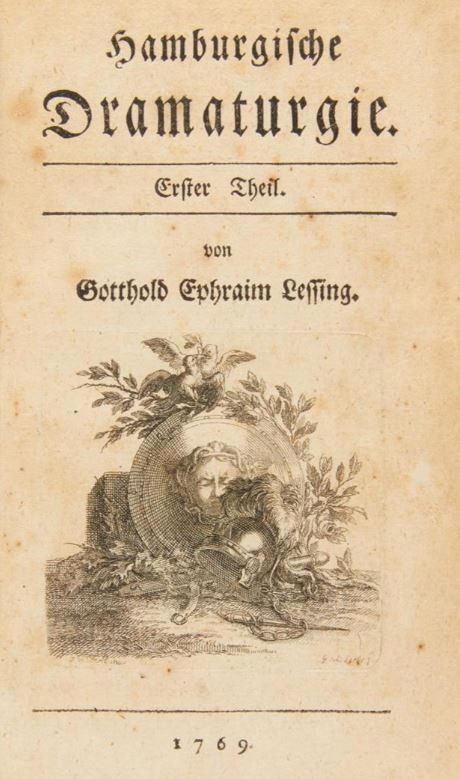
The rise of the dramaturg was closely connected to this belief. A dramaturg is not simply a person who edits scripts or provides historical information. In German-speaking theater, dramaturgs often act as bridges between artistic creation and social reflection. They research historical contexts, examine the themes of a production, collaborate with directors and playwrights, and ask how a performance speaks to contemporary audiences. Their work reflects the idea that theater is never separated from the world around it.
This tradition continues in German public theaters today. Many productions engage directly with questions facing contemporary society, including democracy, migration, climate change, inequality, and historical memory. Theaters frequently organize discussions, educational programs, and community projects that invite audiences not only to watch but also to participate.
A recent example is Das Dinner at Berlin’s Deutsches Theater. Based on Herman Koch’s novel The Dinner, the production transforms a family gathering into a larger discussion about morality, responsibility, and social privilege. Rather than offering simple answers, the play places audiences in an uncomfortable position: they must consider how they themselves would respond when personal loyalty conflicts with ethical responsibility. The theater becomes a place where private dilemmas expand into public conversations.
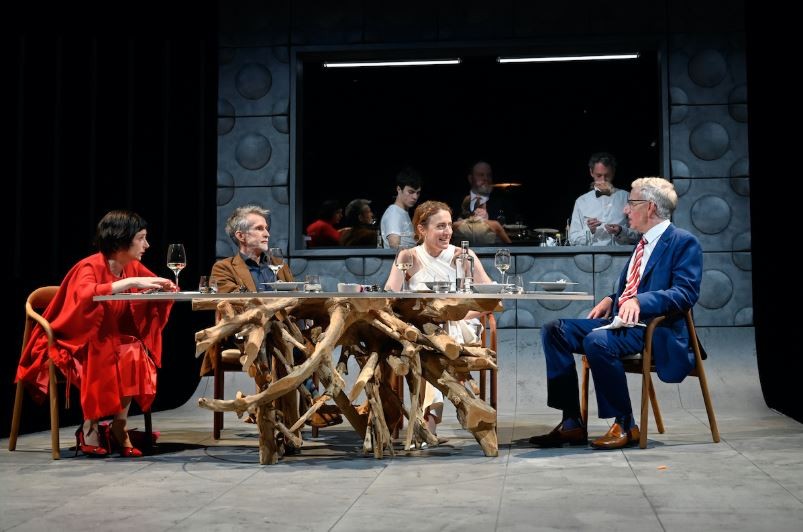
This is the essence of Germany’s theater tradition. Its value does not exist only in famous playwrights, celebrated performances, or historic venues. Its deeper significance lies in the relationship between theater and the people who experience it. Generations meet in the same spaces, encounter unfamiliar perspectives, and discuss questions that affect the wider society.
Germany’s recognition of its theater culture as heritage reminds us that culture is not only something we inherit from the past. It is also something we actively create together. Every time people gather in a theater, listen to a story, and begin a conversation afterward, they continue a tradition of using performance as a way to understand themselves and the world around them.