
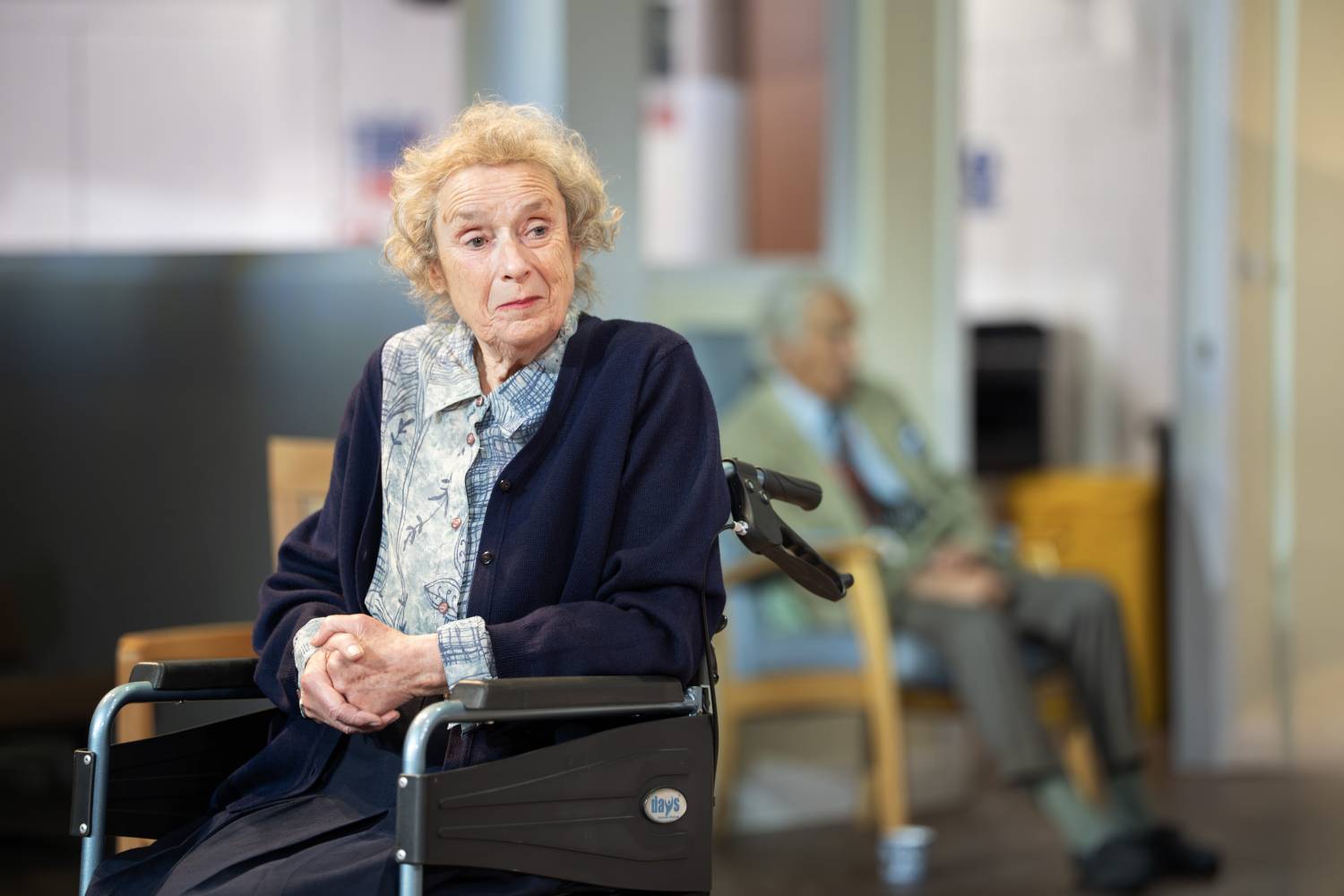
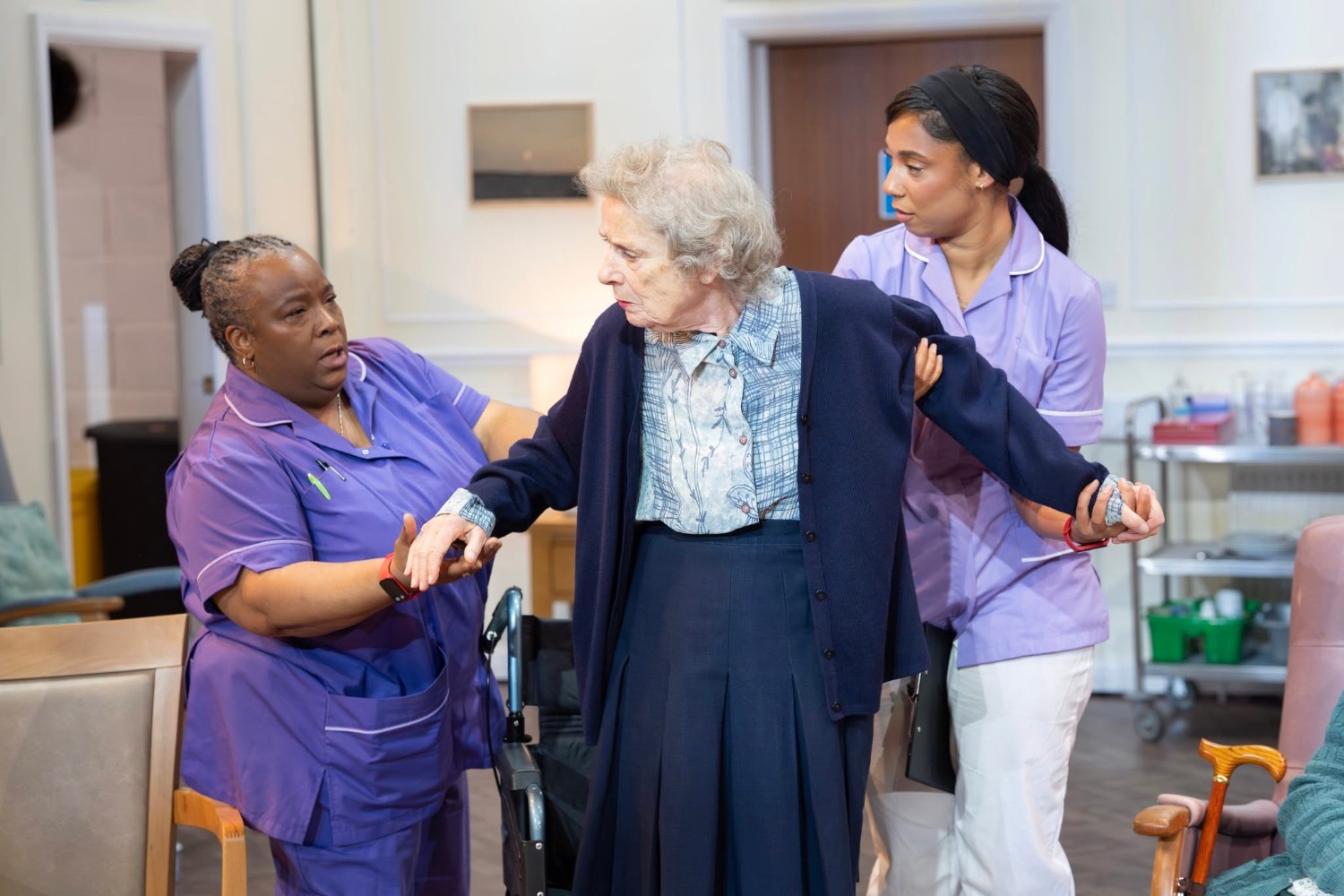
From the moment the audience enters the theater, an elderly man sits in a wheelchair on stage. Nearly motionless, he is seemingly suspended between life and death. Around him, other residents wear emergency call devices while caregivers bustle through the space. A worker introduces Joan, a newcomer to the nursing home, and encourages her to share her life story, remarking that people love listening to such stories. Alexander Zeldin's Care—a play that transforms deeply private experiences into public art—has arrived on the London stage.
British playwright and director Alexander Zeldin was born to a Russian-Jewish father and an Australian mother. Raised in Oxford and currently based in Paris, Zeldin is celebrated for his meticulous observation of the lives of ordinary people. His latest work, Care, is the English translation and adaptation of his first French-language piece, Une mort dans la famille (A Death in the Family), which originally premiered in 2022 at the Odéon-Théâtre de l'Europe in Paris. His critically acclaimed 2023 production at the National Theatre, The Confessions, was famously crafted from interviews conducted with his mother during the pandemic, offering a tender look at family memory and intergenerational relationships.
Taking personal history as a starting point, Zeldin explores the exact intersection where private stories meet the collective human experience. Directing the production himself, Zeldin ensures his signature nuance is felt in every moment. His characters are not traditional heroes. They are ordinary people we see every day: nursing home residents living out their final days, family caregivers, and individuals navigating profound grief. Within this ordinary existence, however, Zeldin uncovers hidden pockets of dignity, courage, and love. Individual memories and family histories transform on stage into an expansive human empathy.
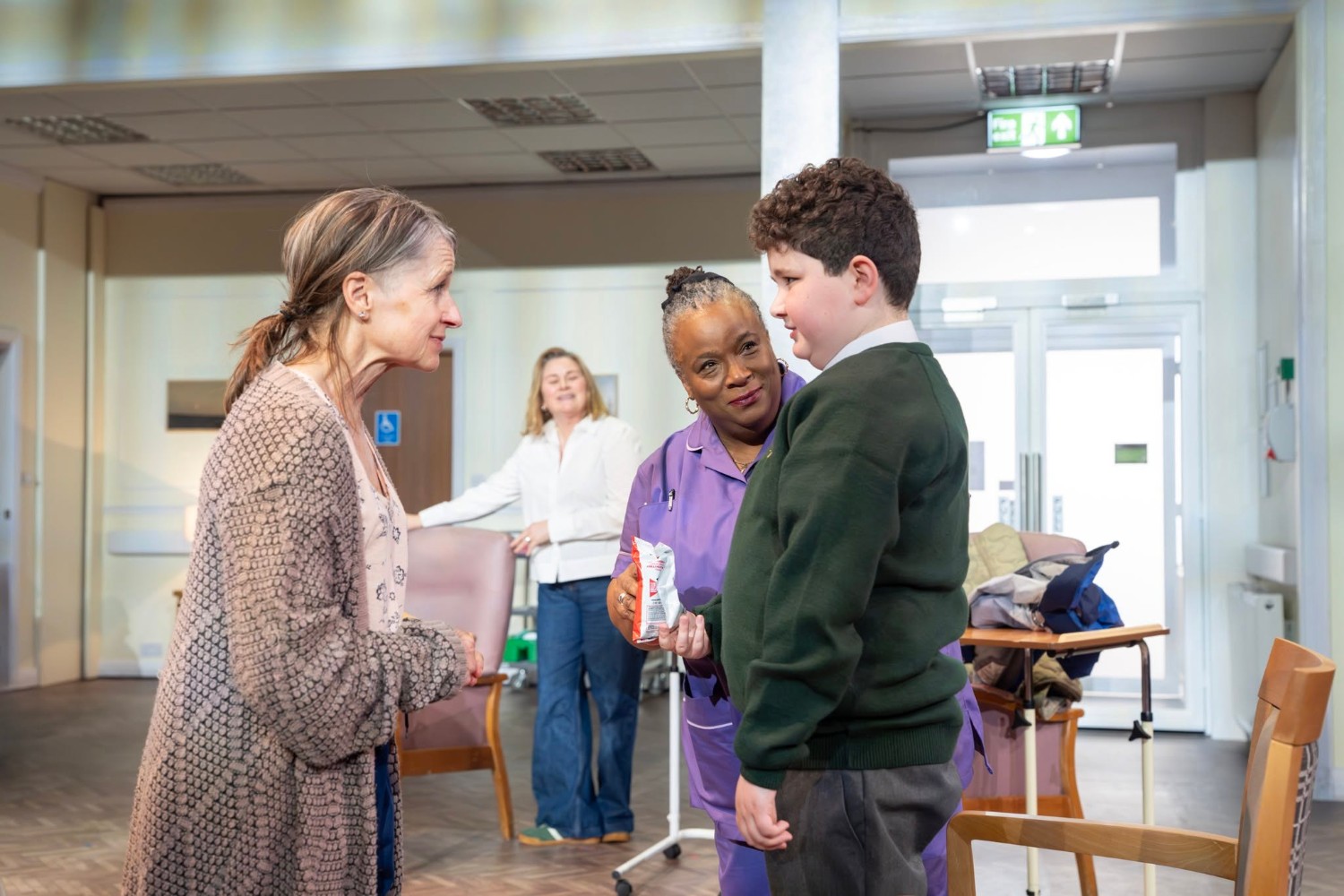
Even though Care initially appears to be a bleak, heavy play—making it a challenging draw for casual theatergoers—it ultimately transcends its dark premise. This raw reality is brought to life by Zeldin's direction and a masterful creative team. Rosanna Vize’s set design crafts a wide, white, and clinical space that authentically captures the cold landscape of an institution. This starkness is balanced by James Farncombe’s lighting design, which introduces deliberate, slow flickers and stark blackouts to pull the audience into a state of heavy suspense. Enhancing this atmosphere is Josh Anio Grigg’s sound design, using precise audio cues to deepen the uncomfortable, immersive weight of the room. By refusing to soften the raw realities of aging and mortality, the production replaces institutional coldness with a deeply felt, warm compassion.
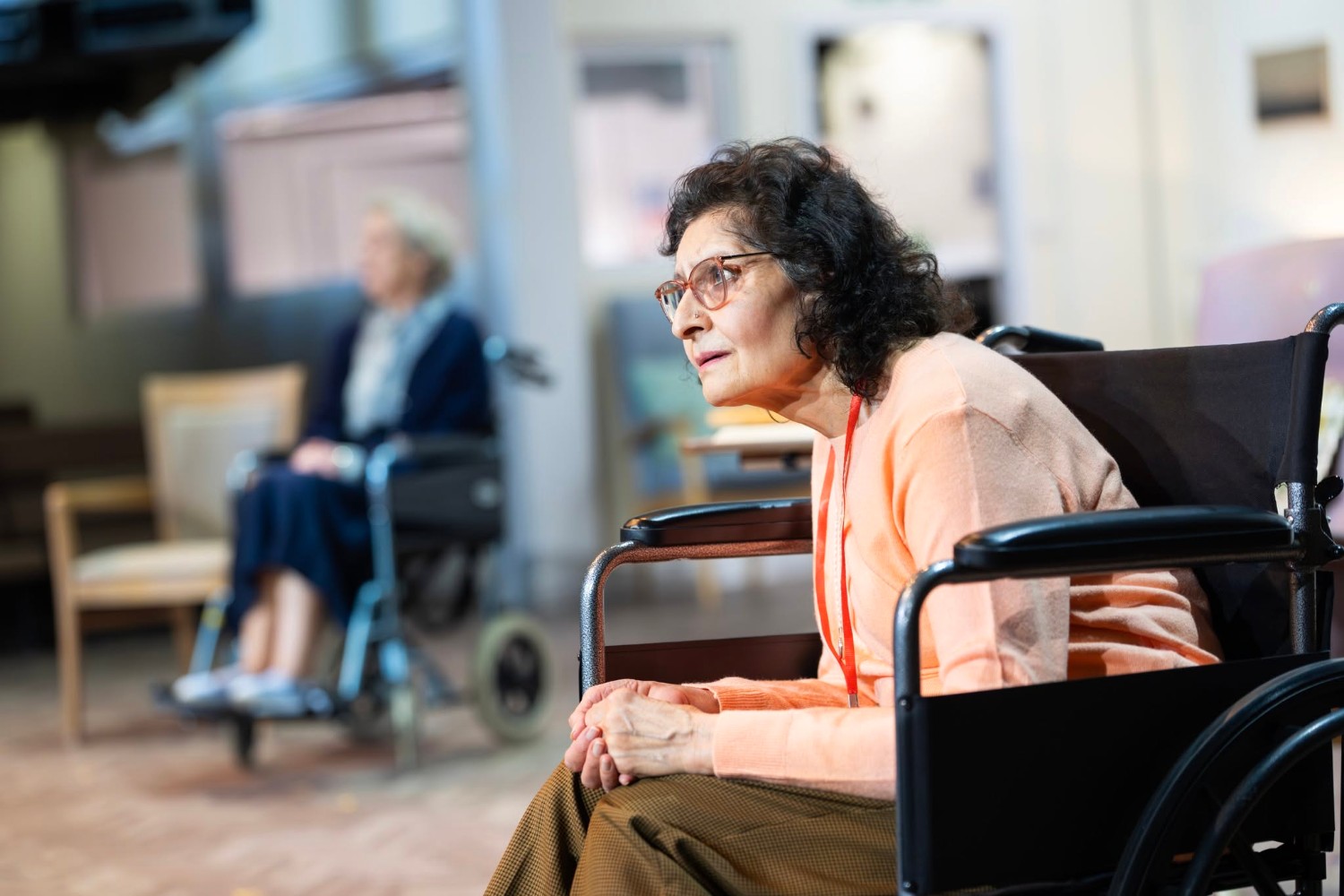
While Zeldin provides the blueprint, the exceptional cast beautifully completes the story. The ensemble spans a remarkable range of ages, bridging teenage actors with a 92-year-old veteran. At the center is Linda Bassett, who delivers an unforgettable performance as Joan, a newcomer struggling to maintain her identity within the facility. Many of the older performers, including Richard Durden as John and Hayley Carmichael as Simone, spent their youth gracing the stage and screen. Here, they portray the fellow residents without hiding or romanticizing their own aging. They expose the raw marks of time—from hunched backs to sagging skin—with absolute vulnerability. As the production nears its end, words become unnecessary, and silence speaks louder than dialogue. Unfolding in total stillness, these final scenes offer a powerful testament to the loneliness and ultimate dignity of a human life reaching its natural end.
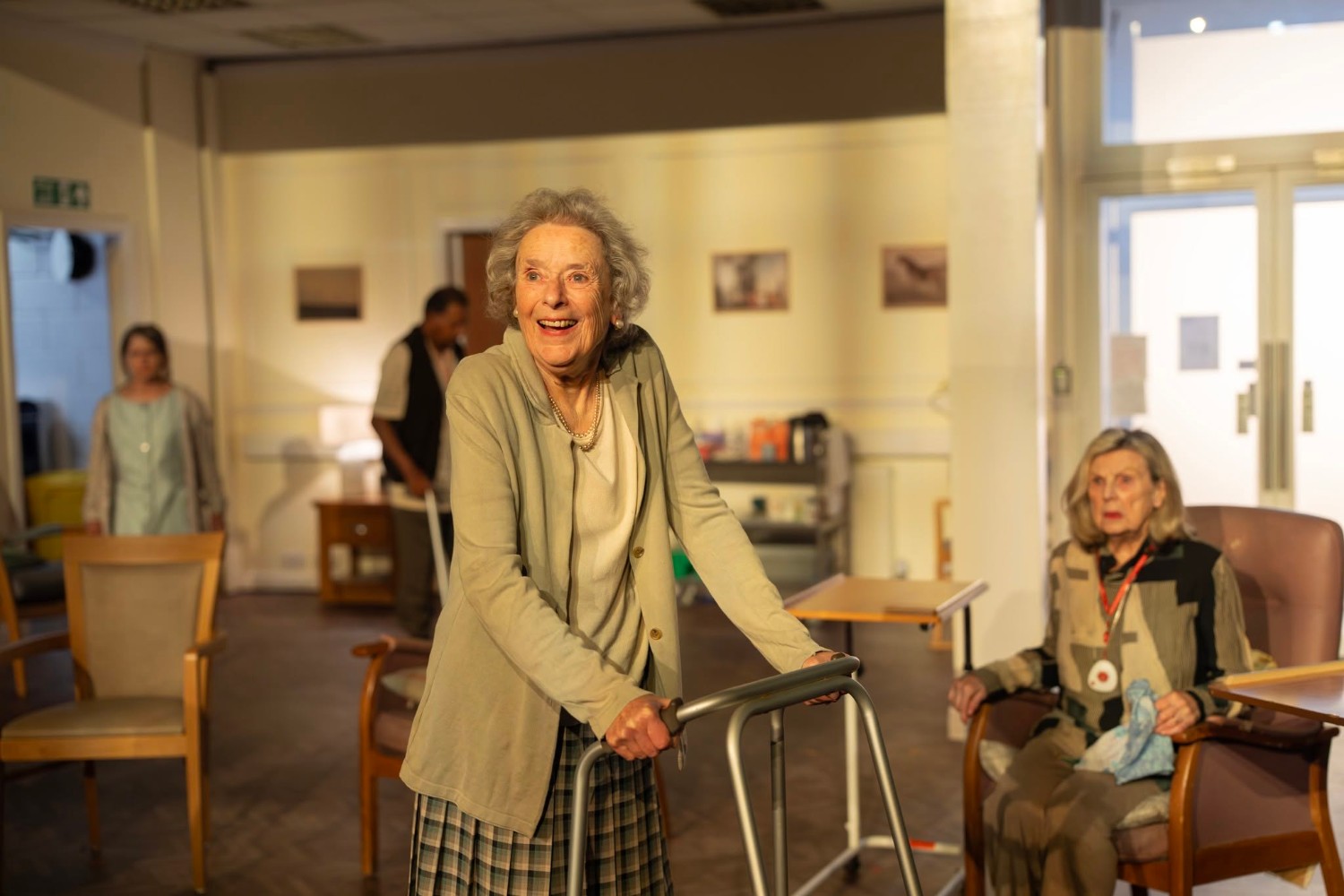
Long after the curtain call ended, many theatergoers remained rooted in their seats, unable to leave for some time. While most theatrical productions conclude with the audience quietly filing out of the auditorium unguided, this performance offered an unexpected, final embrace. A gentle voice floated out: "There is no need to rush. I hope you take care." The title Care signifies both the physical act of looking after someone and the deeper state of keeping them in mind. By delivering on its promise until the very last moment, the production bids its audience a tender farewell, leaving behind the true, resonant meaning of compassion.
production photos ⓒJohan Persson
Jaeun Jung
This article was originally published by
➼ Discover the full collection of issues with a print subscription.
➼ You can subscribe here.

