


London's West End is, alongside Broadway in the United States, one of the world's foremost centres of live performance. Dozens of theatres stage musicals and plays every day, with repertoires spanning beloved classics and bold new works alike. One of the West End's most defining trends in recent years has been the reimagining of classic material for contemporary audiences — whether through fresh directorial approaches or the use of cutting-edge stagecraft and immersive, participatory production styles designed to draw in younger crowds. Equally central to the West End's appeal is the sense that theatre is not merely something to be watched, but a shared cultural experience to be enjoyed together.
During my visit to London, one of the first things that surprised me as I took in several shows was the freedom to eat and drink inside the theatre. Back in Korea, even sipping water during a performance can feel like a transgression — but in West End venues, a bar is very much a standard fixture. Before curtain-up and during the interval, audiences can buy wine, beer, cocktails, and an assortment of snacks: Pringles, chocolate, Skittles, ice cream. All of it can be taken to your seat and enjoyed throughout the show. What particularly impressed me was a small but thoughtful touch when I bought Skittles: staff had prepared plastic cups so you could transfer the sweets out of the rustling bag before the performance began. It struck me as a lovely little gesture — one that looked after the audience's enjoyment while also showing consideration for everyone else in the house.
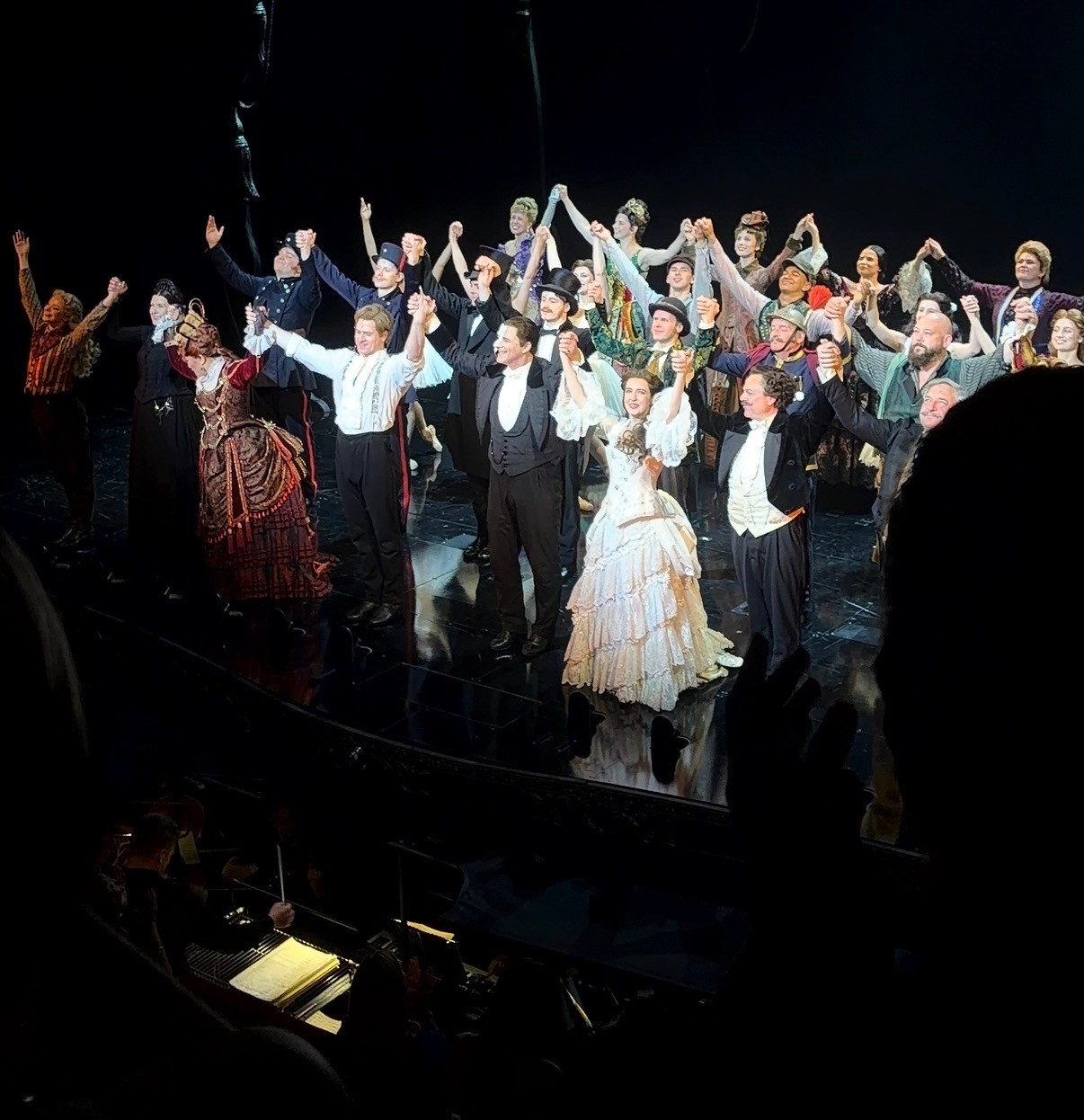
The way audiences engage with a show also felt markedly different from what I was used to in Korea. After each number, spontaneous applause and cheers would erupt from the stalls, and a particularly impressive high note or a demanding scene would often be met with whistles. The performers seemed to relish these reactions, and there was a palpable sense that the audience and the stage were building the performance together. Korean audiences are passionate in their own right, but the tendency is to hold that emotion until the very end — whereas in the West End, admiration and applause flow freely throughout the show, and that openness left a strong impression on me.
Curtain-call culture was another revelation. Photography is permitted during the curtain call at most shows, yet far fewer people actually reached for their phones than I expected. Most audience members seemed far more interested in giving the cast a standing ovation and cheering them on than in capturing the moment on camera. In Korea, on nights when curtain-call photography is allowed, it is common to look out across the auditorium and see a sea of glowing screens — so it felt genuinely different to be in a house where so many people were simply choosing to take in that final moment with their own eyes.
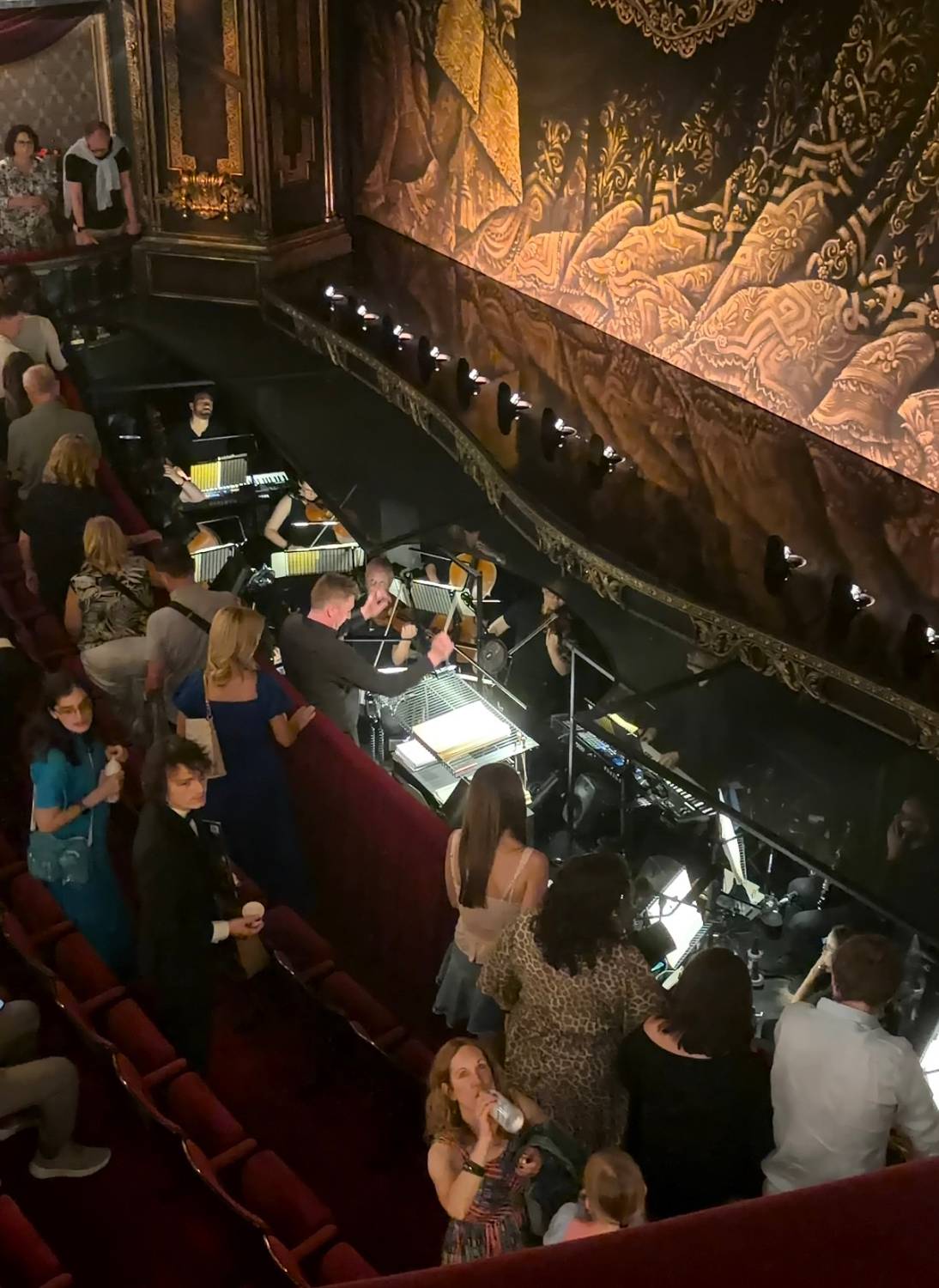
The moment that stayed with me most came after the performance of The Phantom of the Opera. The house lights came up and the show appeared to be over — yet the orchestra kept playing. Up in the dress circle, where the orchestra pit is clearly visible, a good number of audience members remained in their seats, listening. When the last note finally sounded, the applause that followed was every bit as thunderous as what the cast had received. It was a vivid reminder that a culture of genuine respect for every artist who brings a production to life — not just the performers on stage — has taken deep and natural root here.
The West End's reputation rests on far more than the quality of its productions. What I found there was a performance culture built up over many years — one in which audiences engage wholeheartedly with the show, and extend respect to the cast, the orchestra, and the fellow theatregoers around them. My time in London's theatres brought home something I had perhaps always known but never felt so clearly: a performance is not completed on the stage alone. It only truly becomes a whole work of art when the attitude of the audience is part of it too.
