
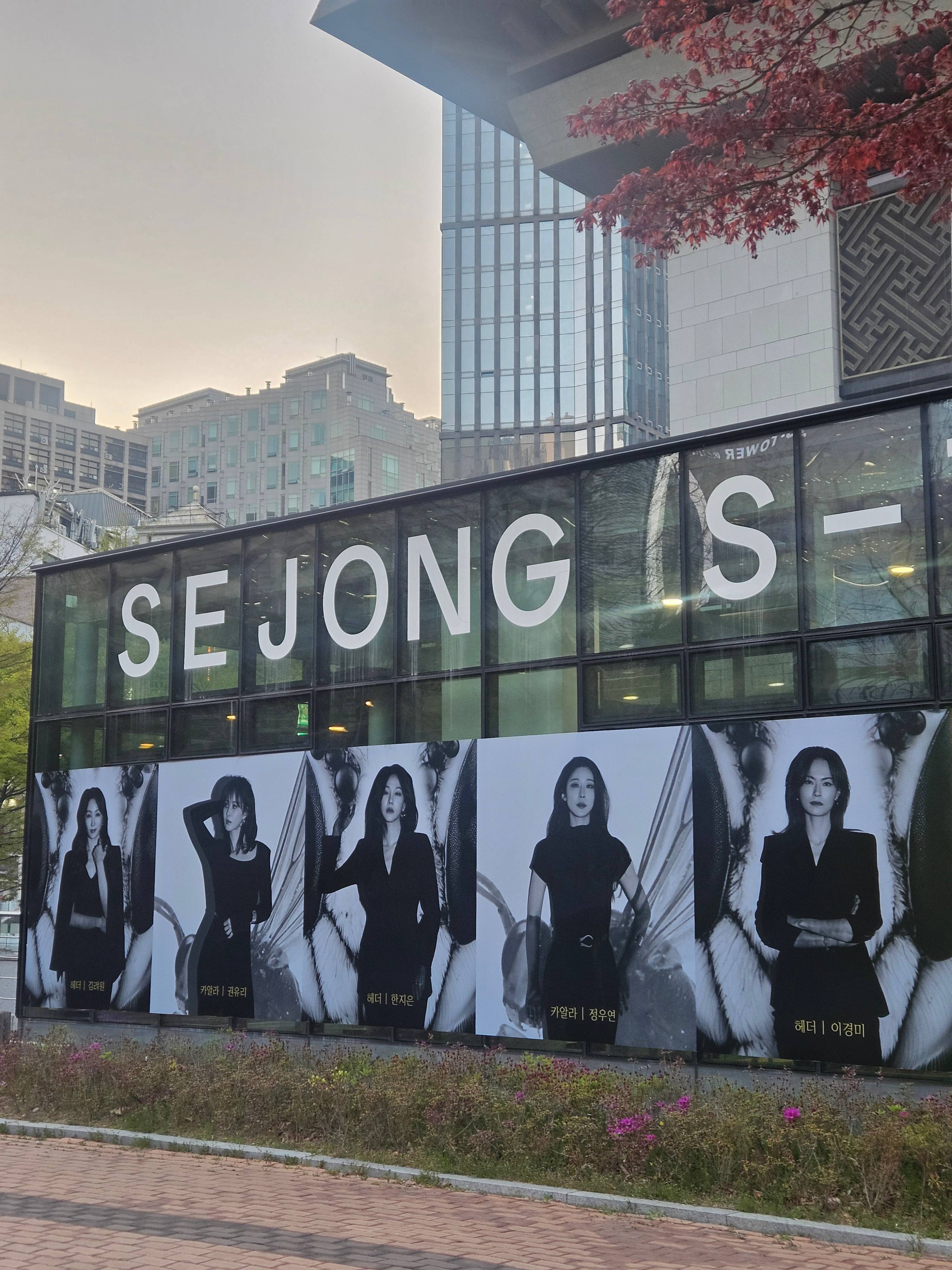
Play <THE WASP>received widespread acclaim in London before premiering in the United States, Australia, and then Korea in March–April 2026. It is a rare two-woman play that boasts a tightly constructed storyline complete with foreshadowing and plot twists, while also tackling the weighty theme of "violence." What drew me to the production was its treatment of women as perpetrators rather than victims of violence — a reversal of the usual framing — along with my curiosity about the connection between the title's wasp and the play's central themes.
The curtain lifts, and the truth slowly comes to light
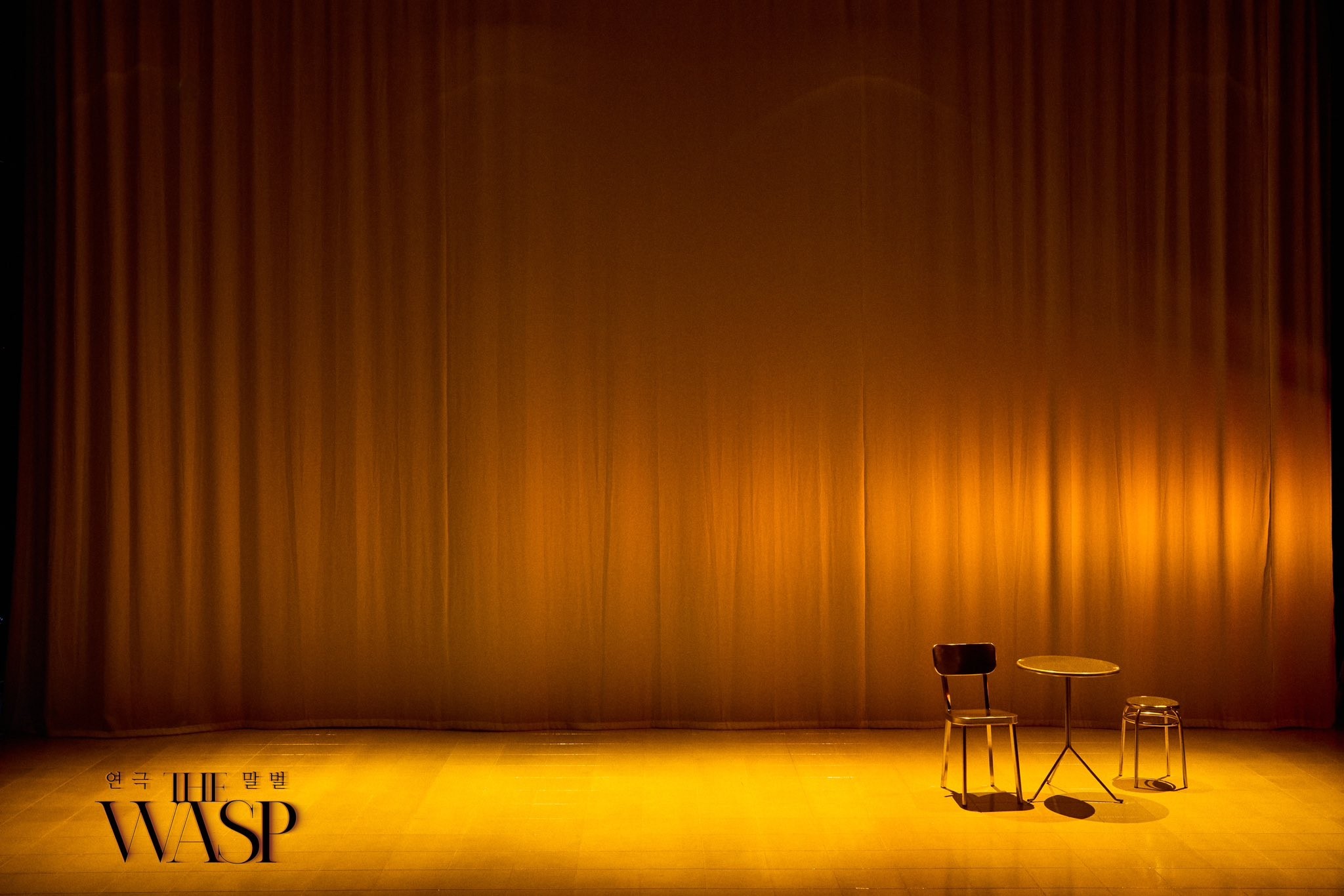
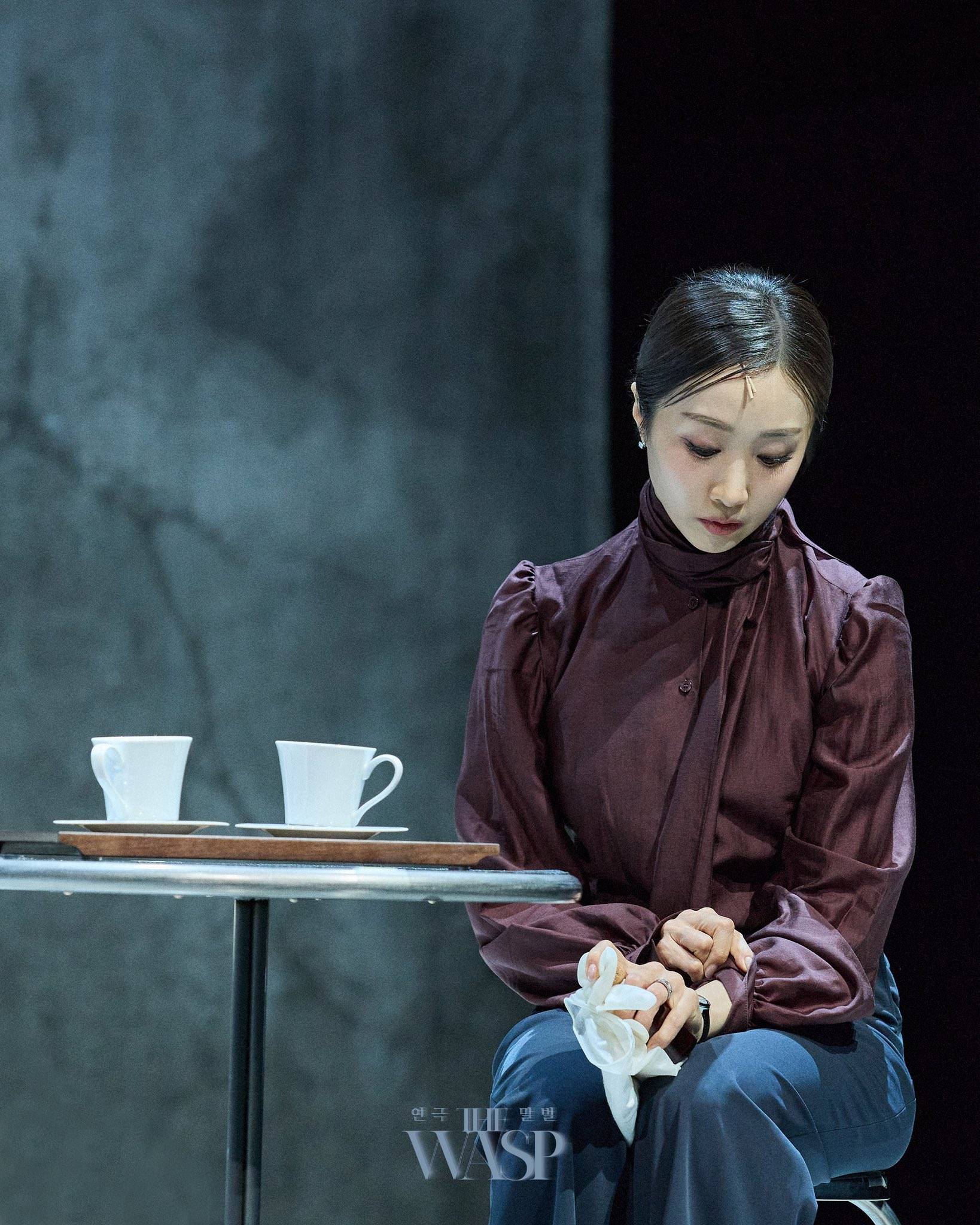
Carla and Heather sit across from each other in a café, the air between them thick with awkwardness. They haven't seen each other since school — and throughout those school years, Carla made Heather's life a living hell. Yet it is Heather who breaks the silence, telling Carla about her husband Simon's affair and making her a proposition: kill Simon, and she'll pay handsomely for it. Carla, who unlike Heather is struggling in poverty and pregnant on top of that, finds herself unable to refuse. In the opening scenes, the stage is spare — long curtains, a table, a couple of chairs, the ambient noise of the city. Carla lounges comfortably in a chair with a back, listening to Heather's story; Heather sits rigidly upright, laying out her husband's betrayal and her own predicament. The contrast between the two women is already legible in this simple arrangement. It surfaces again in the way their conversation keeps sliding past each other: when Heather recalls the violence she suffered, Carla — the one who inflicted it — can barely remember any of it and keeps trying to brush the subject aside.
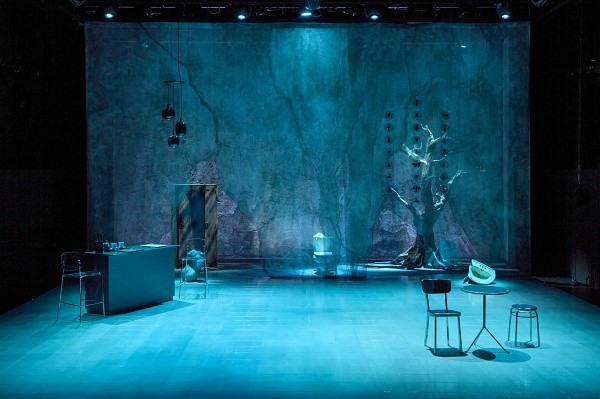
Later, to plan the murder of Heather's husband Carla comes to Heather's home. As the stage curtain draws back, Heather's affluent-looking house is revealed. Seeing only the beautiful home she lives in, one would never guess that Heather's past was shadowed by school violence. But as Heather's revenge unfolds, another layer of curtain is pulled away, and the space behind it becomes a compressed image of the horrific time Heather endured under that violence. Heather's lines, in which she pours out her anguish over everything Carla did to her, take on physical form through the space itself, laying bare an inner world of suffering that is almost impossible to imagine.
The wasp and the tarantula — the vicious cycle of violence
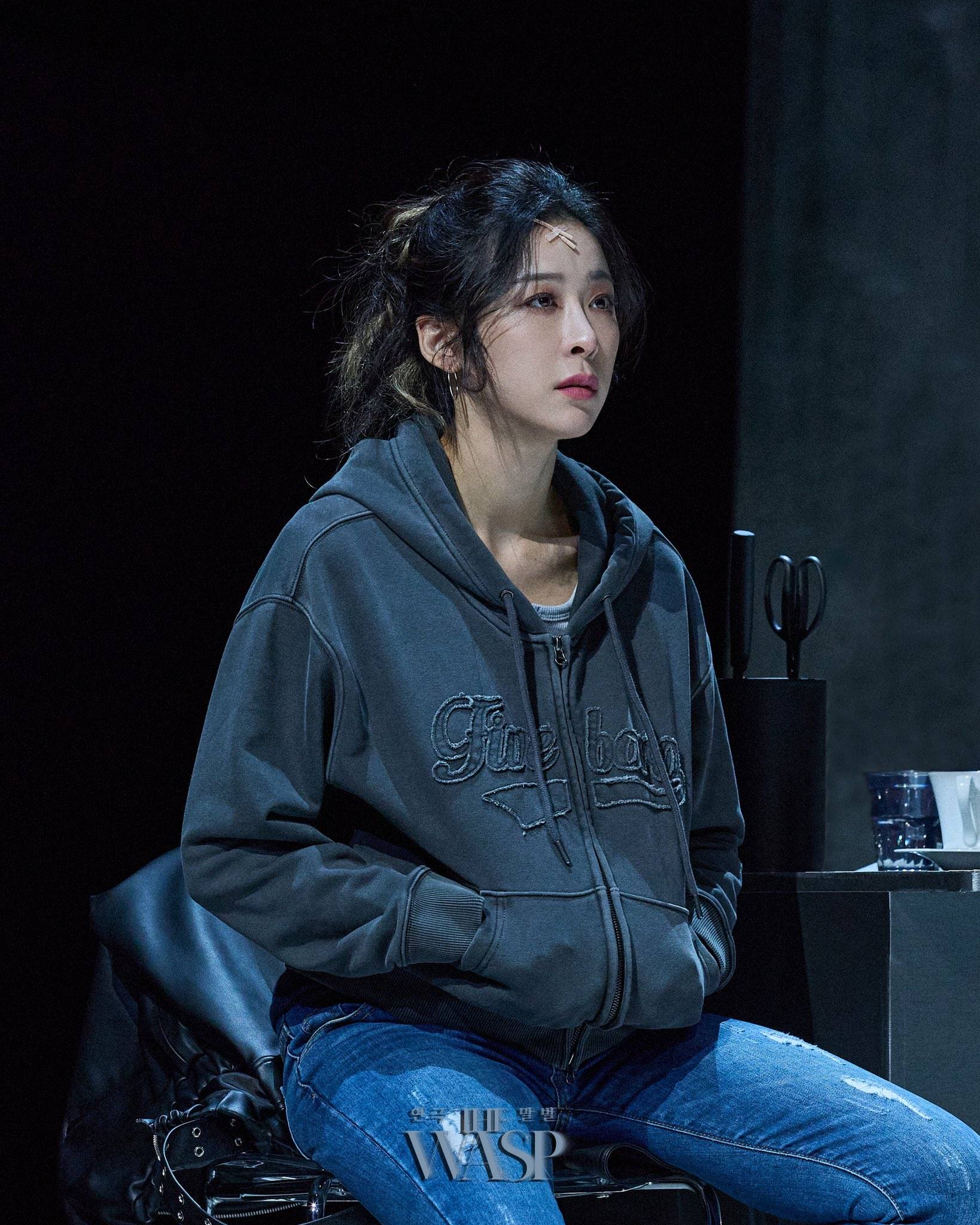
On display in Heather's home is a taxidermied tarantula hawk wasp. The tarantula hawk lays its eggs inside the body of a tarantula spider; the hatched larva feeds on the tarantula from within, growing to adulthood at the spider's expense. The moment the wasp finally departs, the spider dies. The relationship between wasp and tarantula seems to mirror the relationship between Heather and Carla. In the early part of the play, one might assume that Carla — who has dominated Heather's memories — is the tarantula hawk. But now that Heather's revenge has been set in motion, can we really say with certainty who is the wasp and who is the spider?
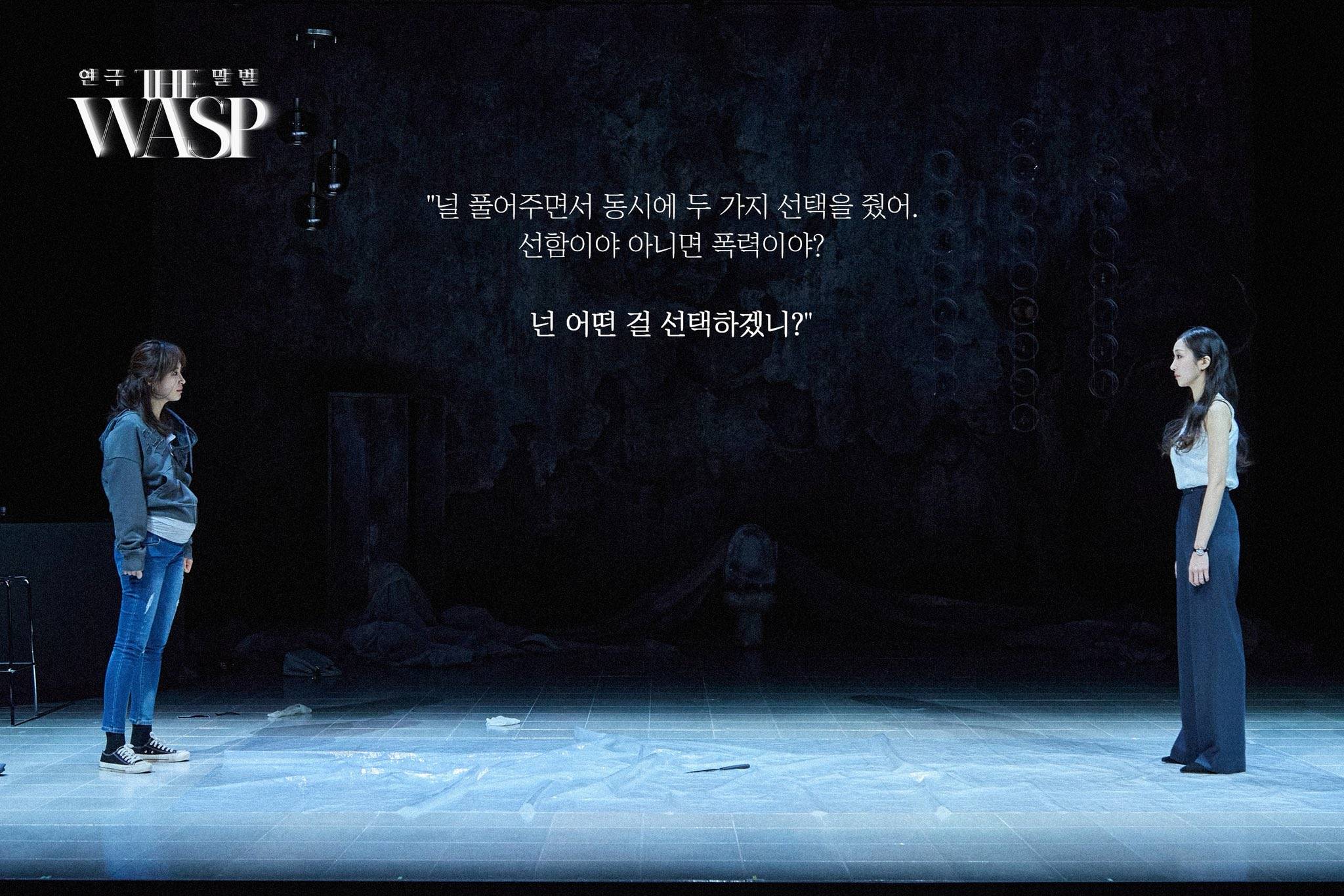
"I gave you your freedom, and at the same time I gave you two choices. Kindness or violence — which did you pick?"
In one of Heather's flashbacks, it is mentioned that Carla, too, suffered a troubled childhood, enduring domestic violence at the hands of her father. Whenever that happened, Heather would quietly shelter Carla in her own home, asking nothing in return. But the reward for that "kindness" was "violence." The domestic abuse Carla suffered became an arrow turned on Heather — first as school bullying, and ultimately as the revenge Heather is now exacting. Throughout the play, Carla's unrepentant attitude toward her own cruelty makes Heather's revenge feel justified. Yet we must not lose sight of the fact that what Heather is doing is also "violence." Violence begets violence — but can more violence really be the only answer to breaking the cycle? How are we, as a society, supposed to sever a chain that keeps perpetuating itself? We all know, of course, that the right answer to Heather's question above is to choose "kindness." But when kindness is met with violence in return, doesn't that very response make it all the harder to escape the cycle? To eradicate it, we need to return to the fundamental values that make us human — respect, trust, and the capacity for genuine self-reflection.
Production Photos: heavenmania
