

A story of people whose hope has been repossessed
National Theater Company of Korea's <Uncle Vanya>
The moment the opening music begins, the National Theater of Korea seeps into the era of Japanese colonial rule.
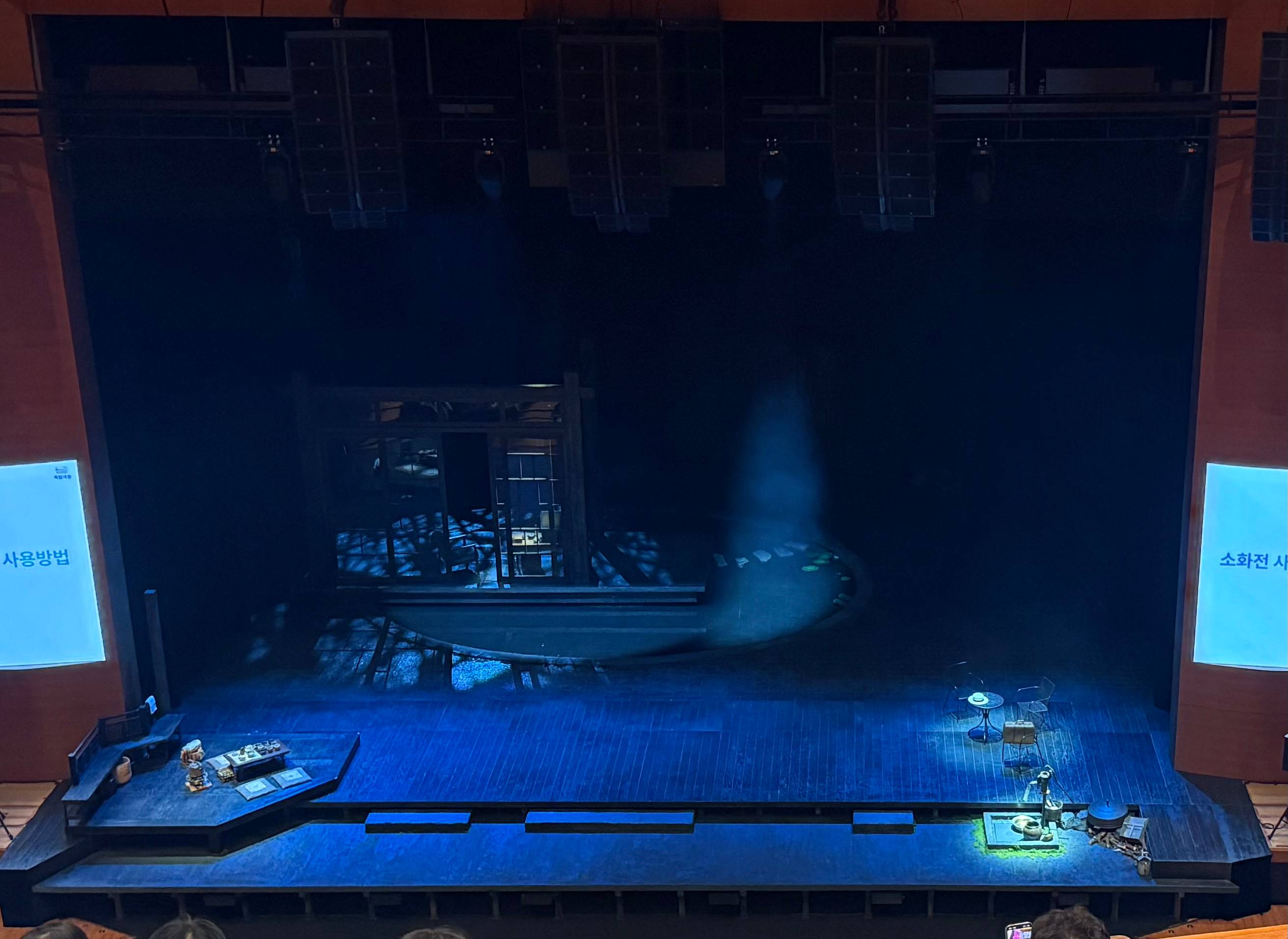
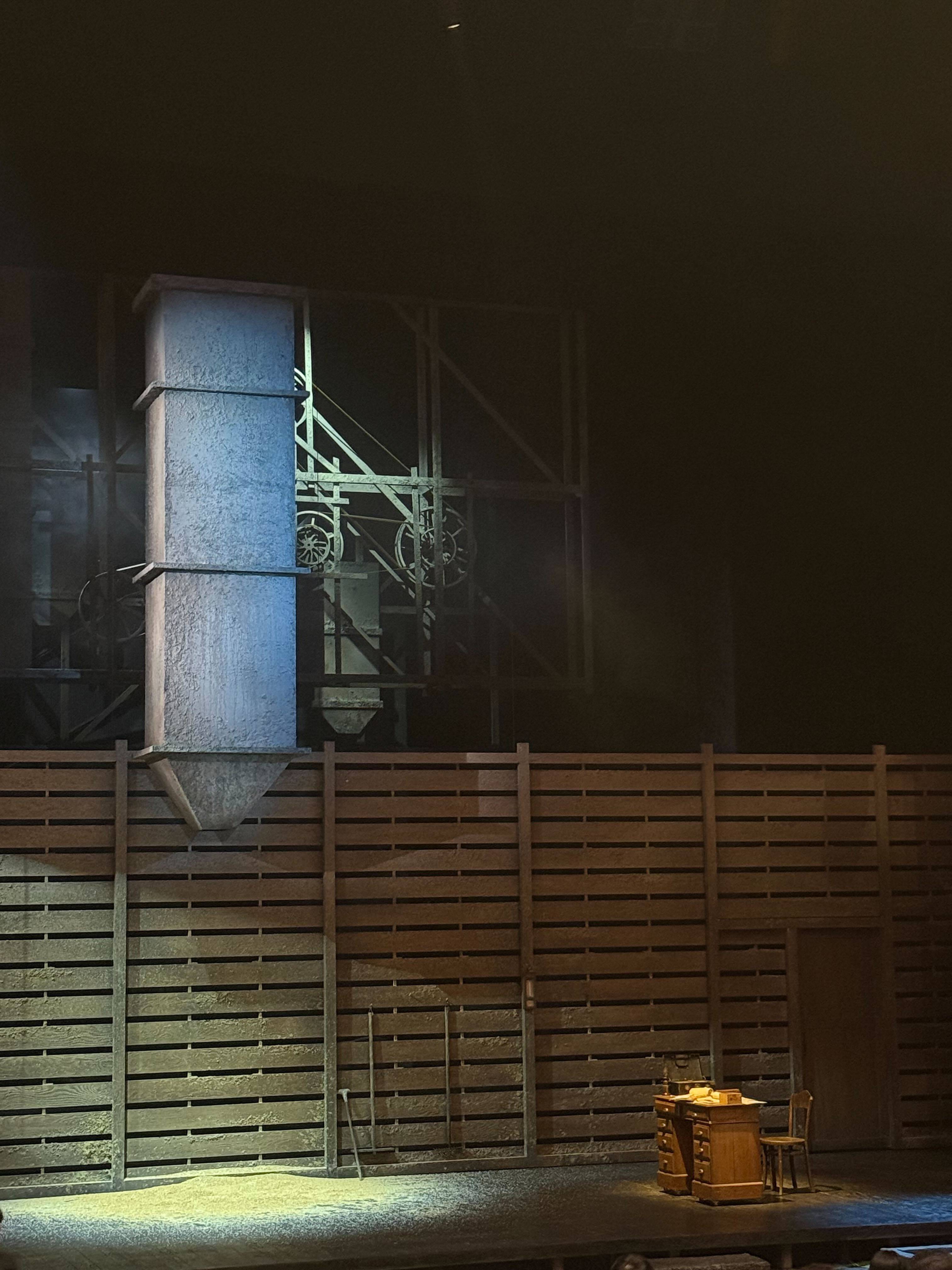
The familiar world of Chekhov naturally brushes up against the history of Korea under Japanese occupation.
In particular, the single honorific "ajeossi" — rendered here as "ajeok" — translates the ennui of nineteenth-century Russia into the distinctly Korean ennui of the early twentieth century.
The choice of the colonial period as a backdrop is clear, yet the production never leans on indignation or nationalism. Rather than sinking into stereotype, it keeps its focus on the ordinary lives of people simply living through that era.
The manyо songs do that work admirably. The languor of the original is replaced with vitality.
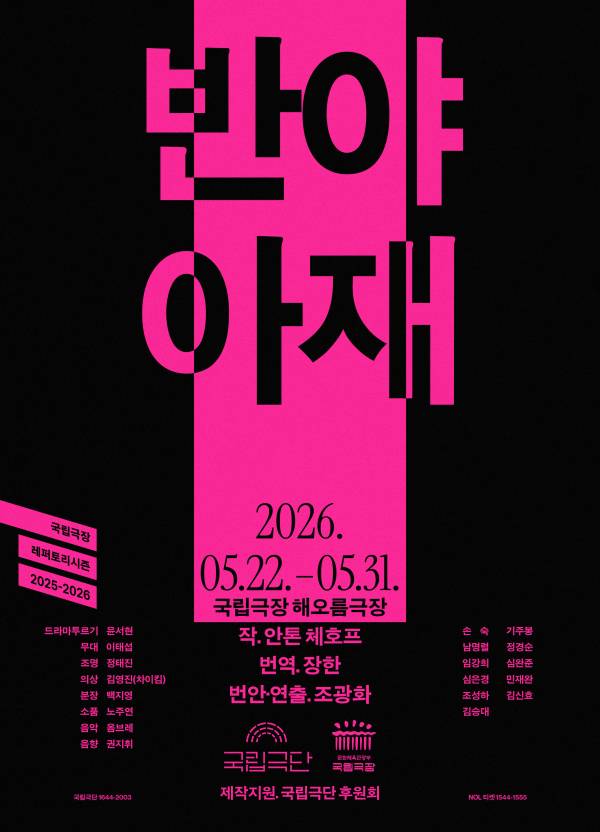
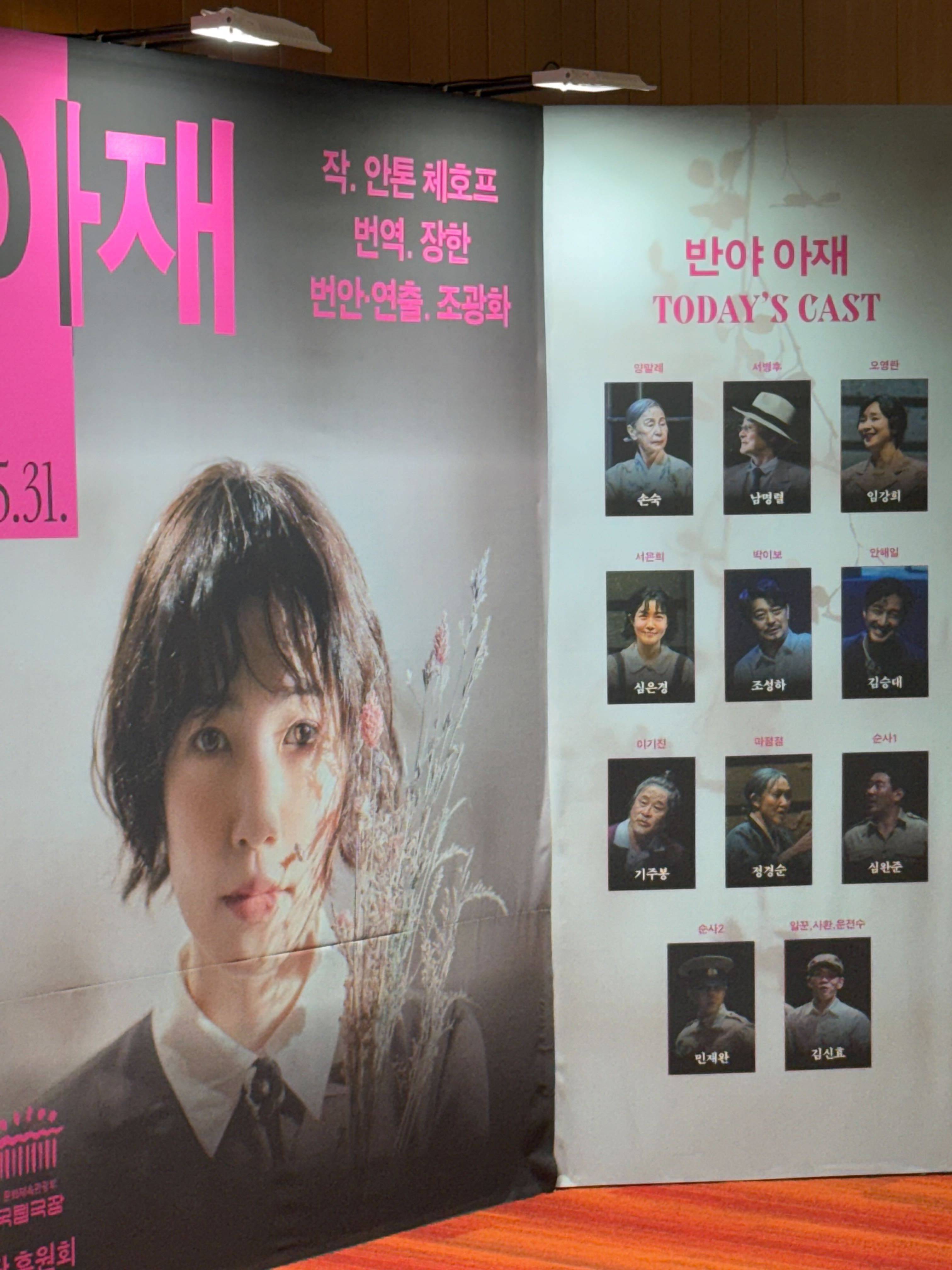
Nothing happens.
The National Theater Company of Korea's <Uncle Vanya> is a work about the helplessness of people whose hope has been repossessed. If anything, hope may never have been theirs to begin with.
Nothing happens in this production. It teeters on the edge of something, then pulls back, and in the end nothing has changed.
Ibo's rage blazes like the calm before a storm, only to collapse somewhere inside itself.
A trigger is pulled and no one is hit; a confession of love is made and goes unmet; everything remains exactly as it was.
This stage, blanketed in rice bran as though a storm has swept through — yet the storm never came in the first place.

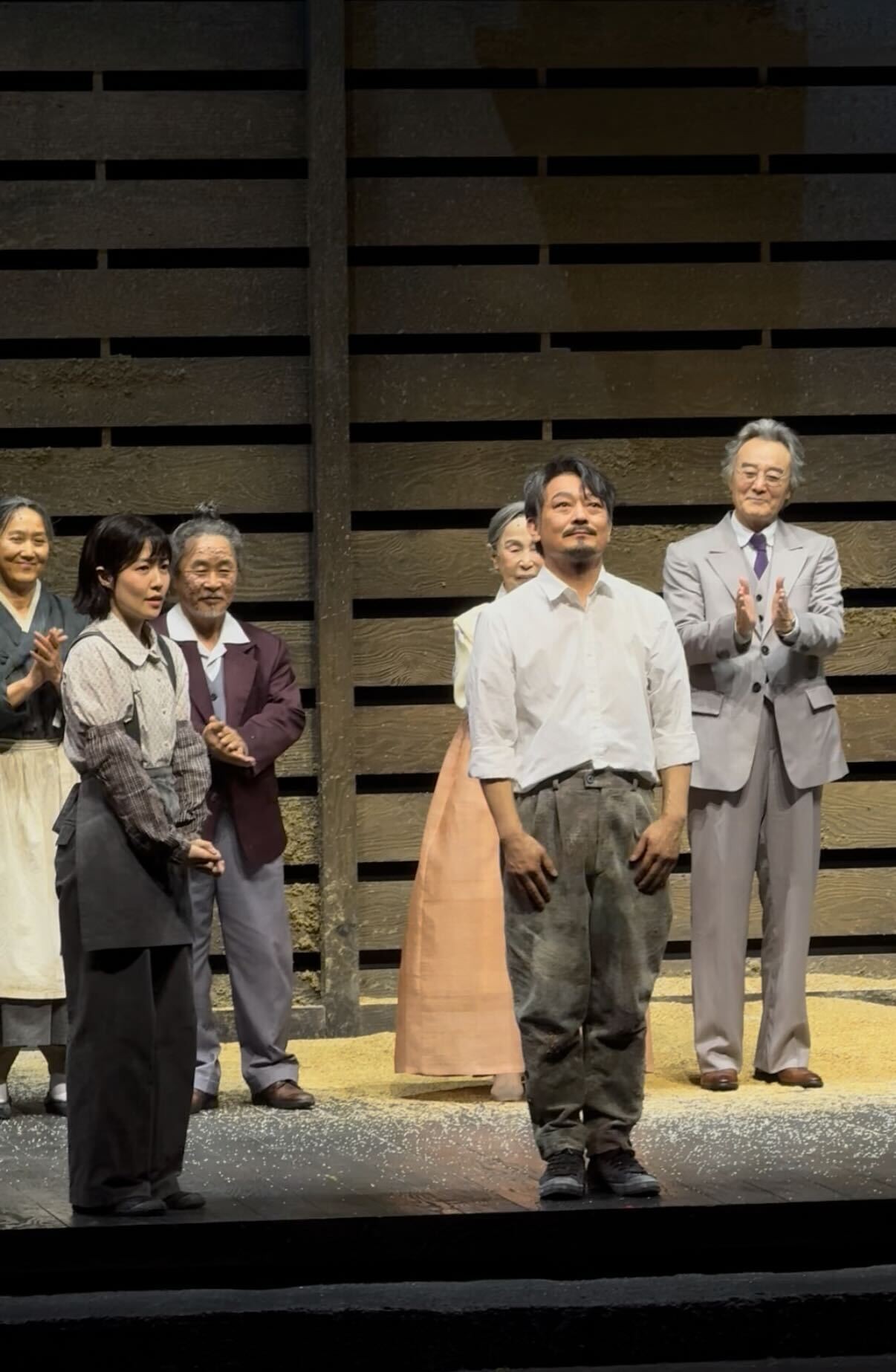
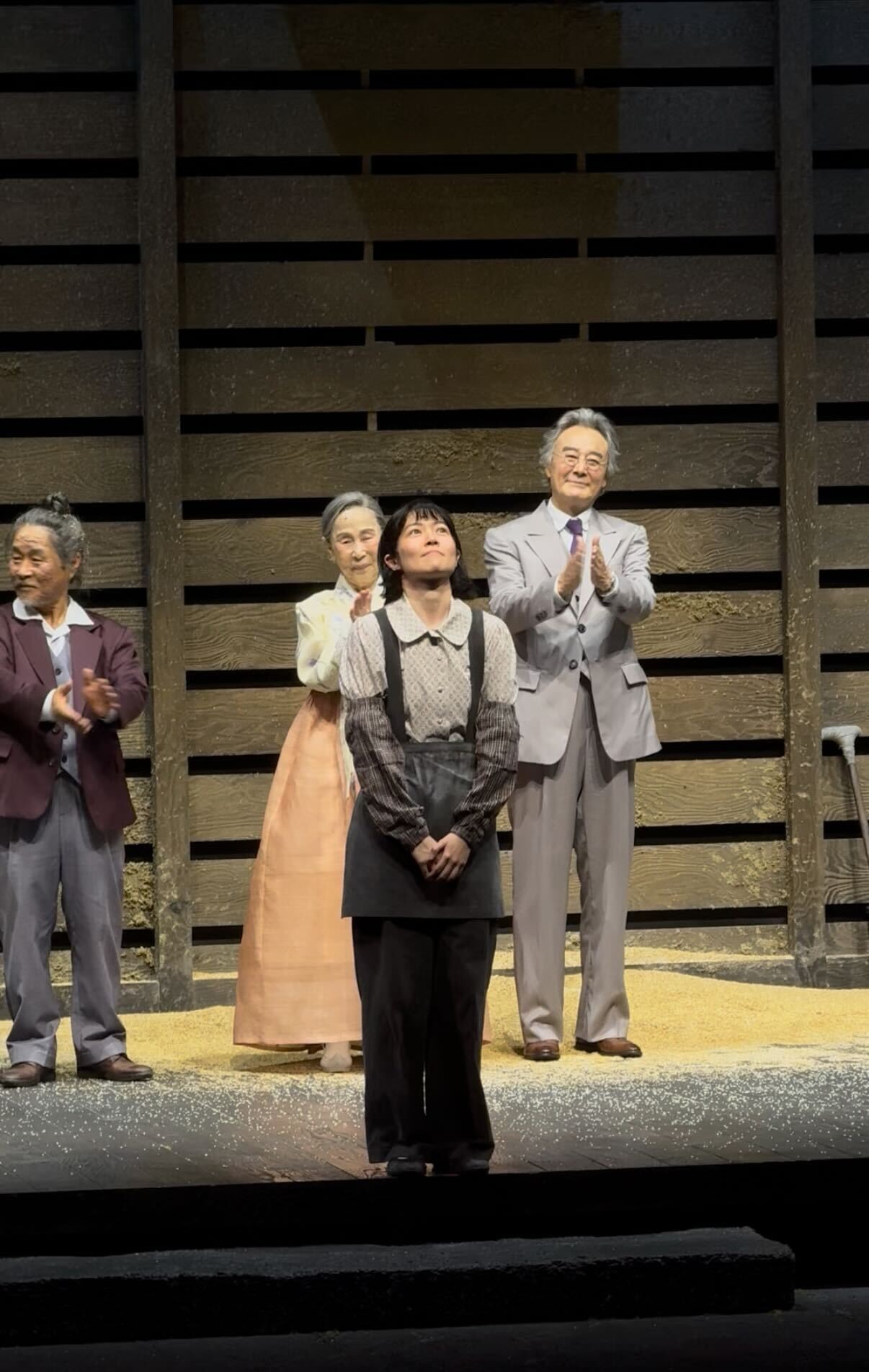
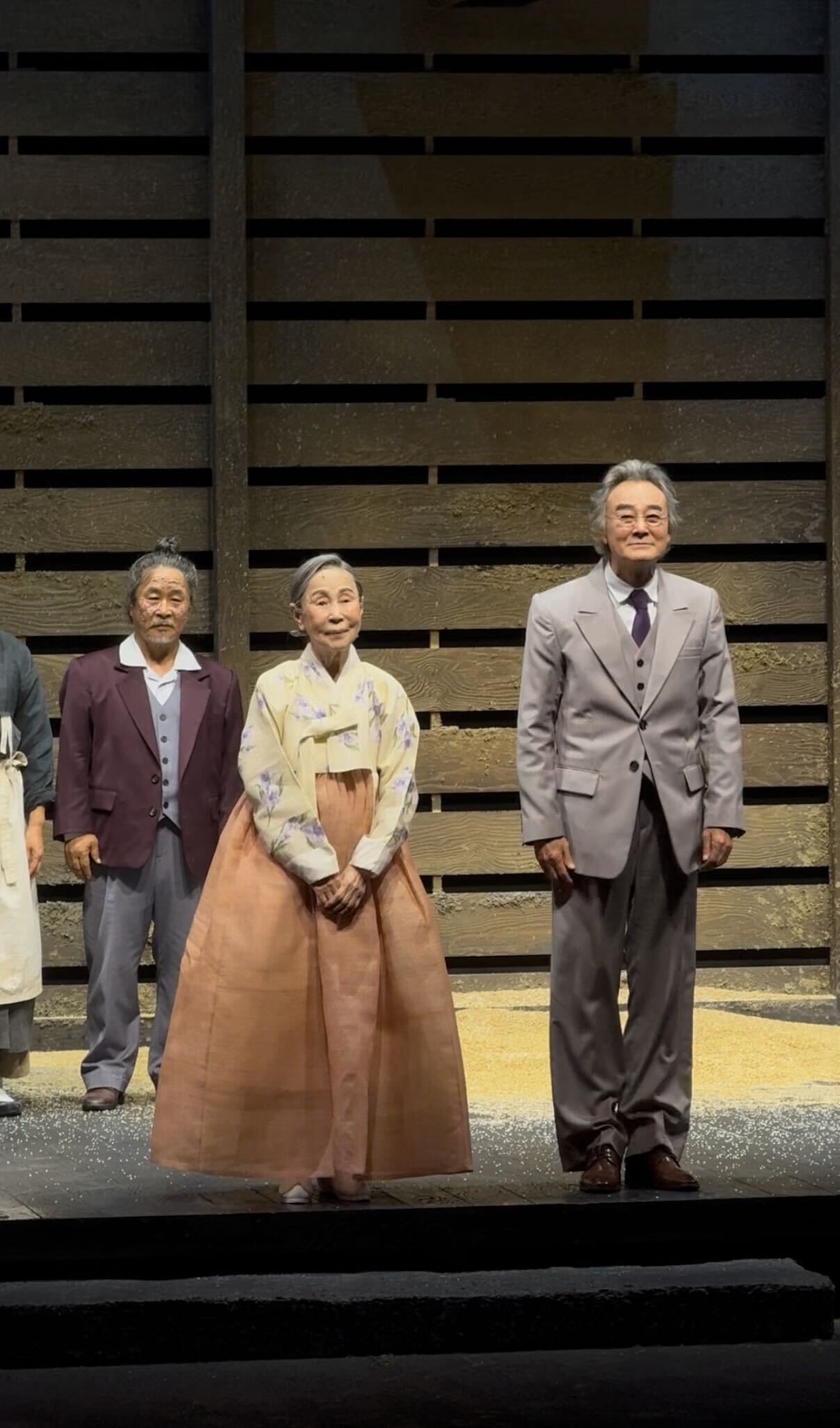
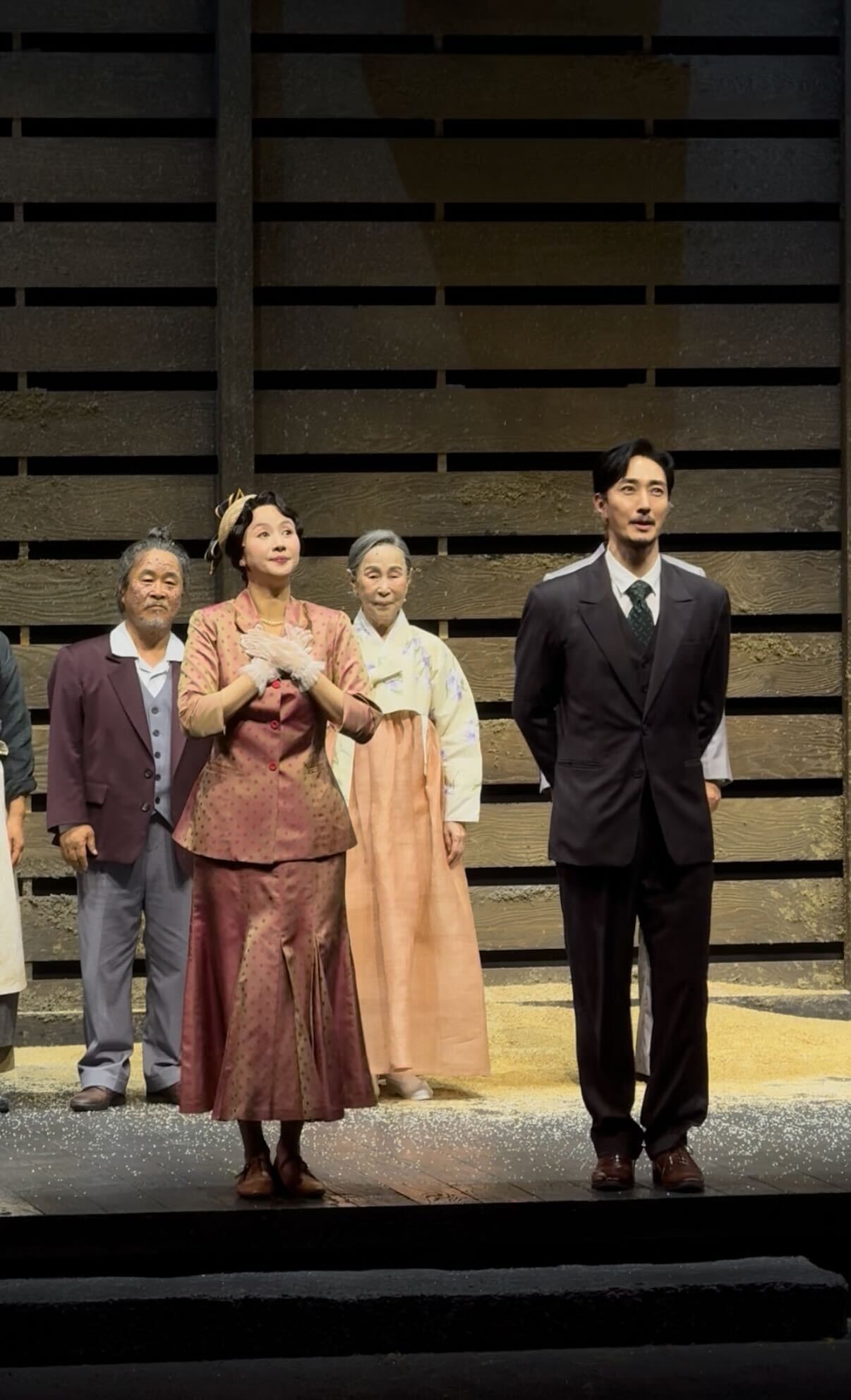
In this lukewarm hell, nothing happens and nothing changes.
There is no dramatic event, no satisfying resolution. The audience is left to carry this strangely suffocating moment alongside the characters.
This is precisely the world of Chekhov.
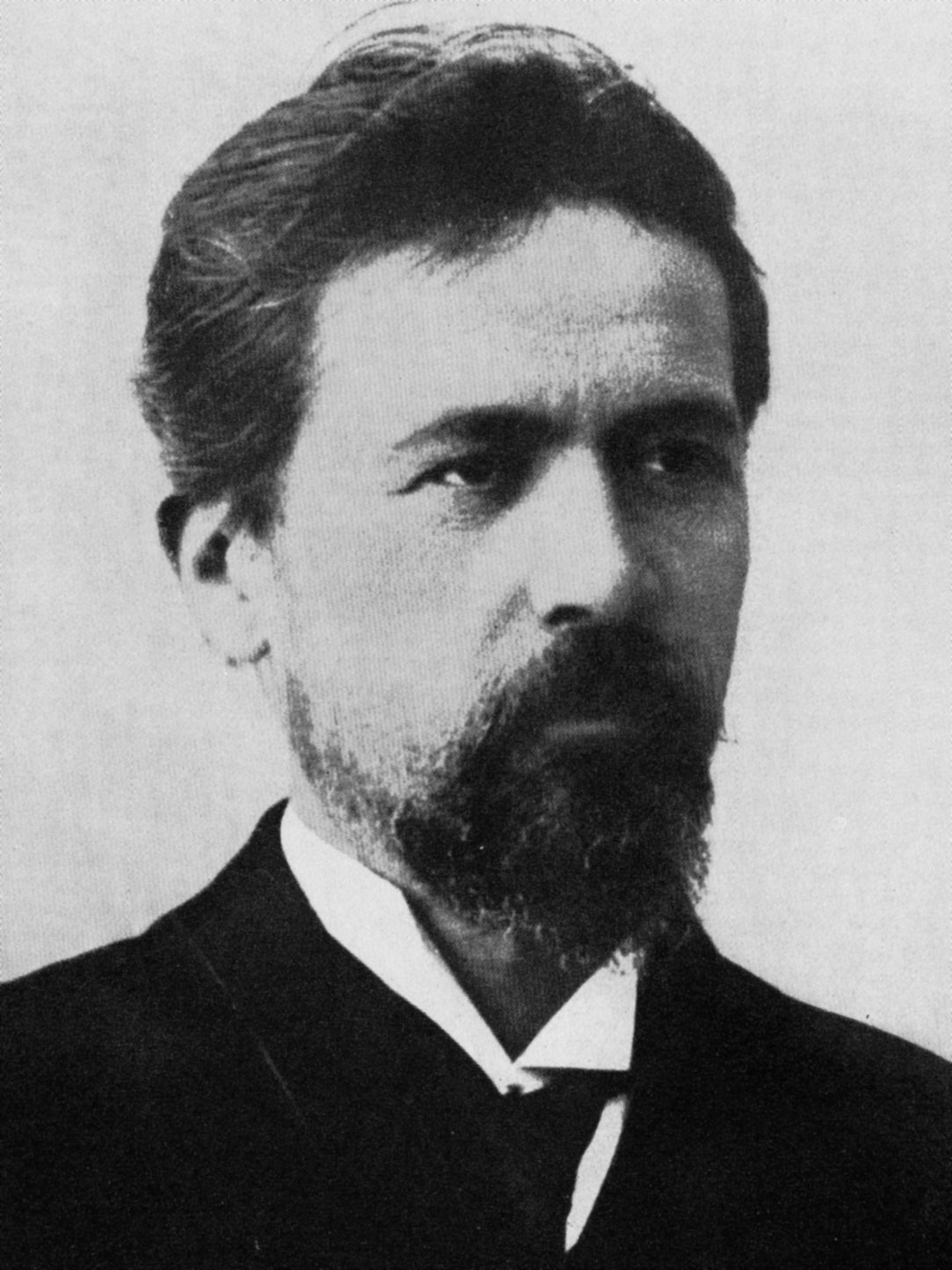
The World of Chekhov
The people inside Chekhov's work are not trapped in tragedy. He looks with warm, compassionate eyes at the emptiness of time gone by, at love left unfulfilled, at the weight of sacrifice, at the irreversible sense of time slipping away.
And so their stories become our stories.
That quiet consolation allows us to accept the sorrowful fate of having to live through today regardless.
Time keeps flowing, and so much of it passes in misalignment.
Eunhui exists as the only small light in this damp, heavy work. Thanks to her loveliness and quiet strength, the line "Even so, we must live" still lingers in my heart.
The reason those words feel somehow forlorn is that they come close to resignation.
Coming from Eunhui, who seemed to be the one character still holding onto hope, the line makes us realize that all of us are getting through life by soothing our own weariness.
Within this consolation, there is no promise and no certainty that things will be all right.
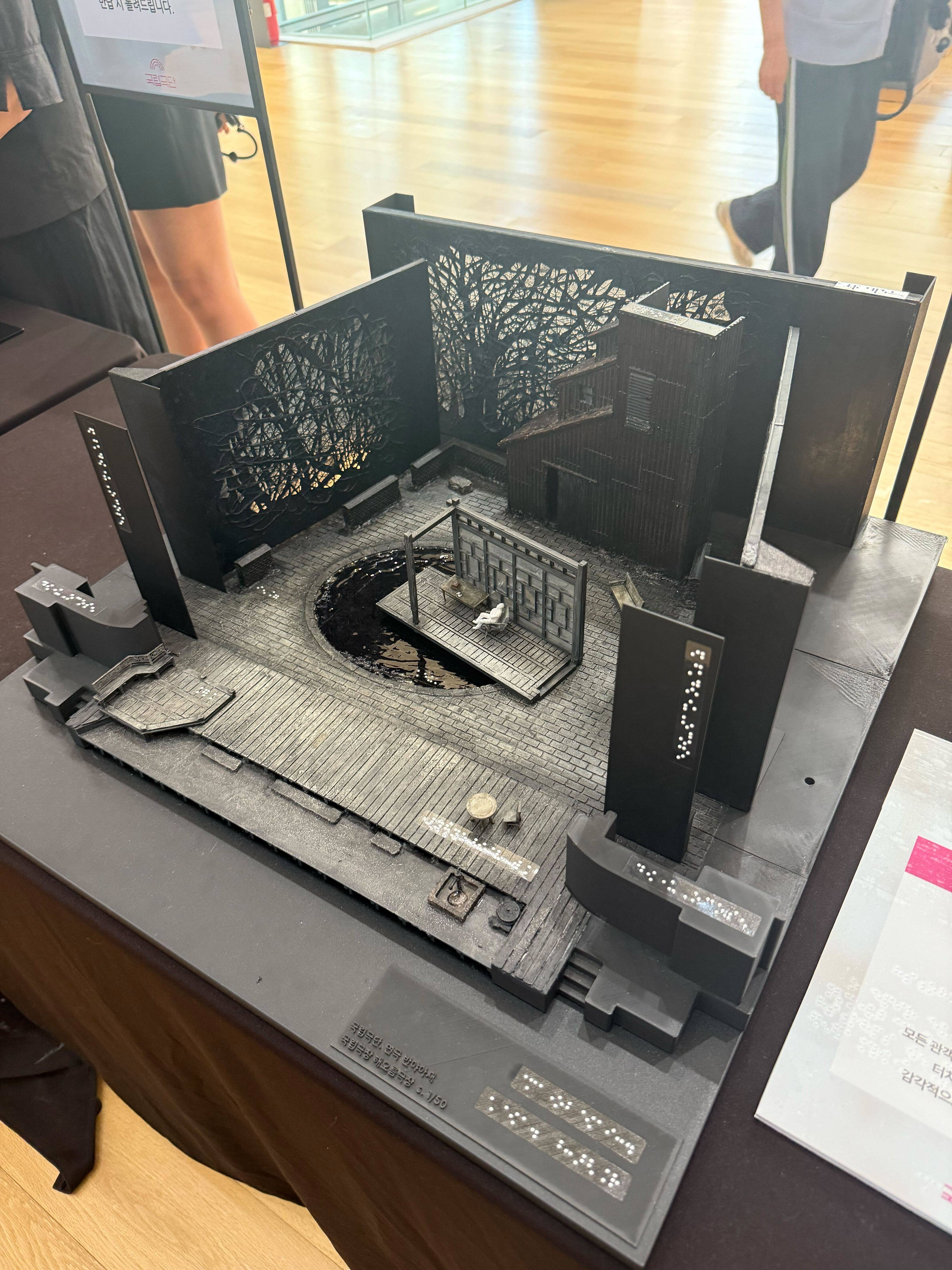
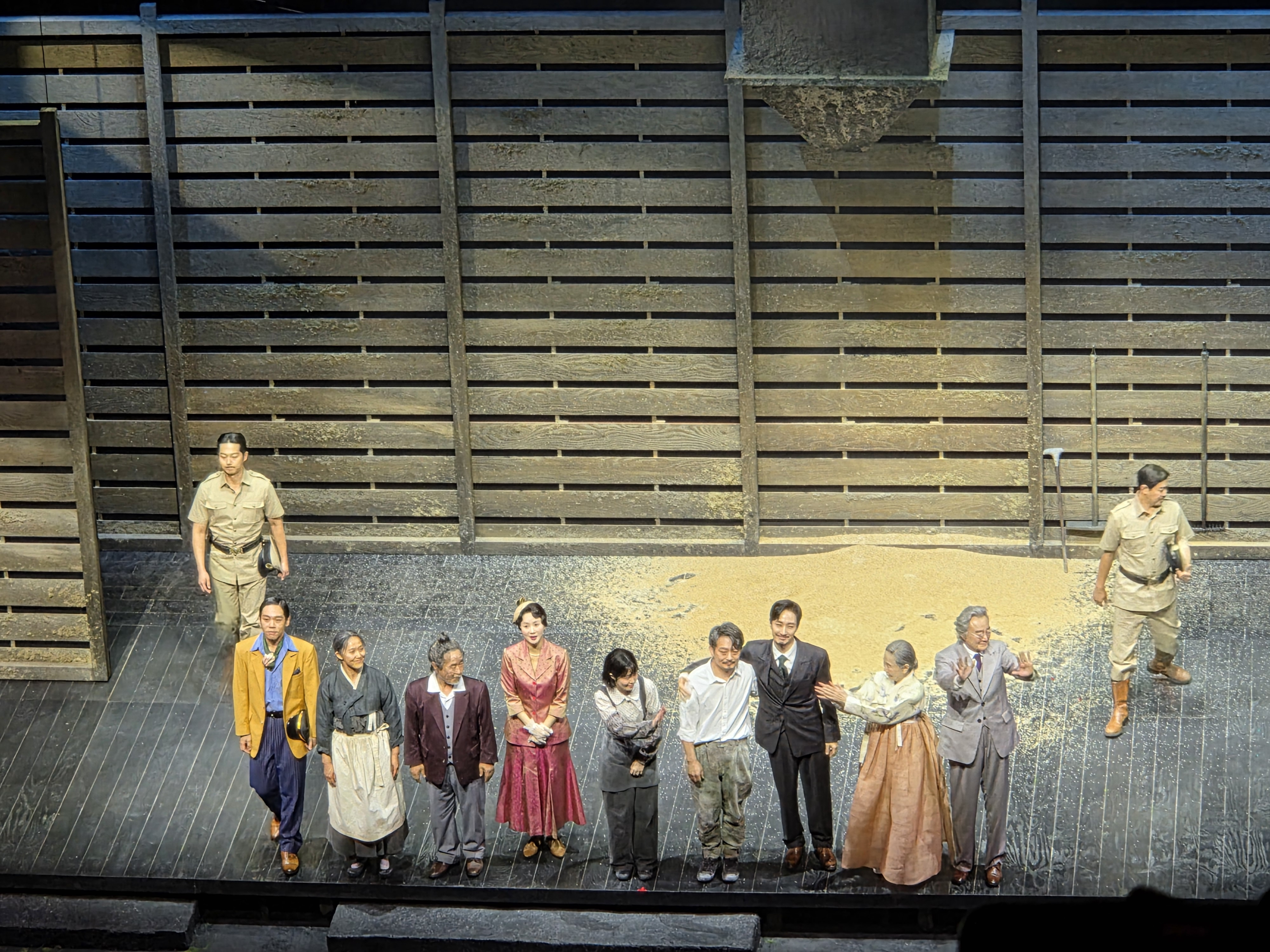
Chekhov's work does not look away from reality or chase hollow romance.
It meets the tedium of everyday life eye to eye.
Even So, We Live Tomorrow
Even if we cannot burn brightly, we must live.
Even when everything feels fleeting,
even when nothing seems to change —
still, today, tomorrow, the day after, we will go on living.
Chekhov is, perhaps, a playwright for those who greet tomorrow out of habit.
Let's all keep going, even in the middle of this weariness!
Even if this cruel, tedious succession of ennui is what our lives amount to, let's hold on just a little longer.
