
On a sun-drenched Saturday, May 23, an unusual yet warmly welcomed sight unfolded in the Culture Plaza of the National Theater of Korea, nestled on the slopes of Namsan.
The air was filled with the aroma of freshly brewed coffee as visitors gathered in small groups, cups in hand, sharing laughter and conversation.
It was the day of Art in Coffee, the 2026 National Theater of Korea Gourmet Market and the grand finale of the Art In series.
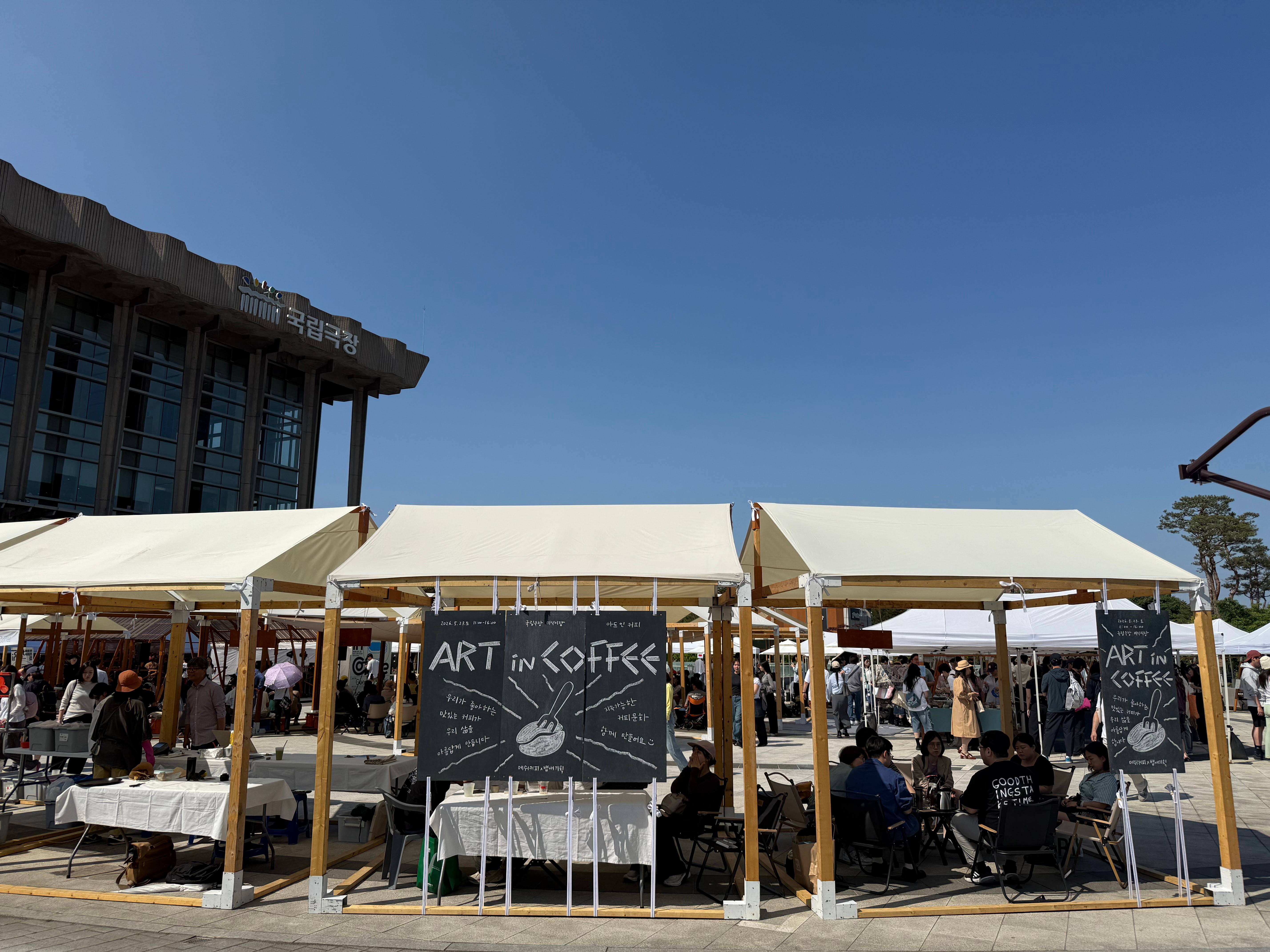
Why 'Coffee' for the Final Chapter
The National Theater of Korea's outdoor cultural festival, the 'Art in Series,' launched in 2021 and has since grown into a beloved institution, drawing a cumulative audience of 120,000 visitors. This spring, the series returned every Saturday from April through May, unfolding across four themed markets: the creative market Art in Goods, the seasonal market Art in Picnic, the farmers' market Art in Marché, and finally, the food market Art in Coffee.
Choosing 'coffee' as the closing theme was no accident. Korea's coffee culture has exploded far beyond a simple daily habit. The pursuit of specialty beans, a deepening love for local roasteries, the personal journey of finding one's perfect cup — all of these have evolved into a distinct cultural identity. It feels only natural, then, that the National Theater would weave this culture into its artistic vision. Picture someone climbing the hill to Namsan to catch a changgeuk performance or a contemporary dance show, pausing to hold a warm cup of coffee as they stroll through the plaza before or after the curtain call. That image — of art and everyday life in easy conversation — may well be exactly what this series set out to create from the very beginning.
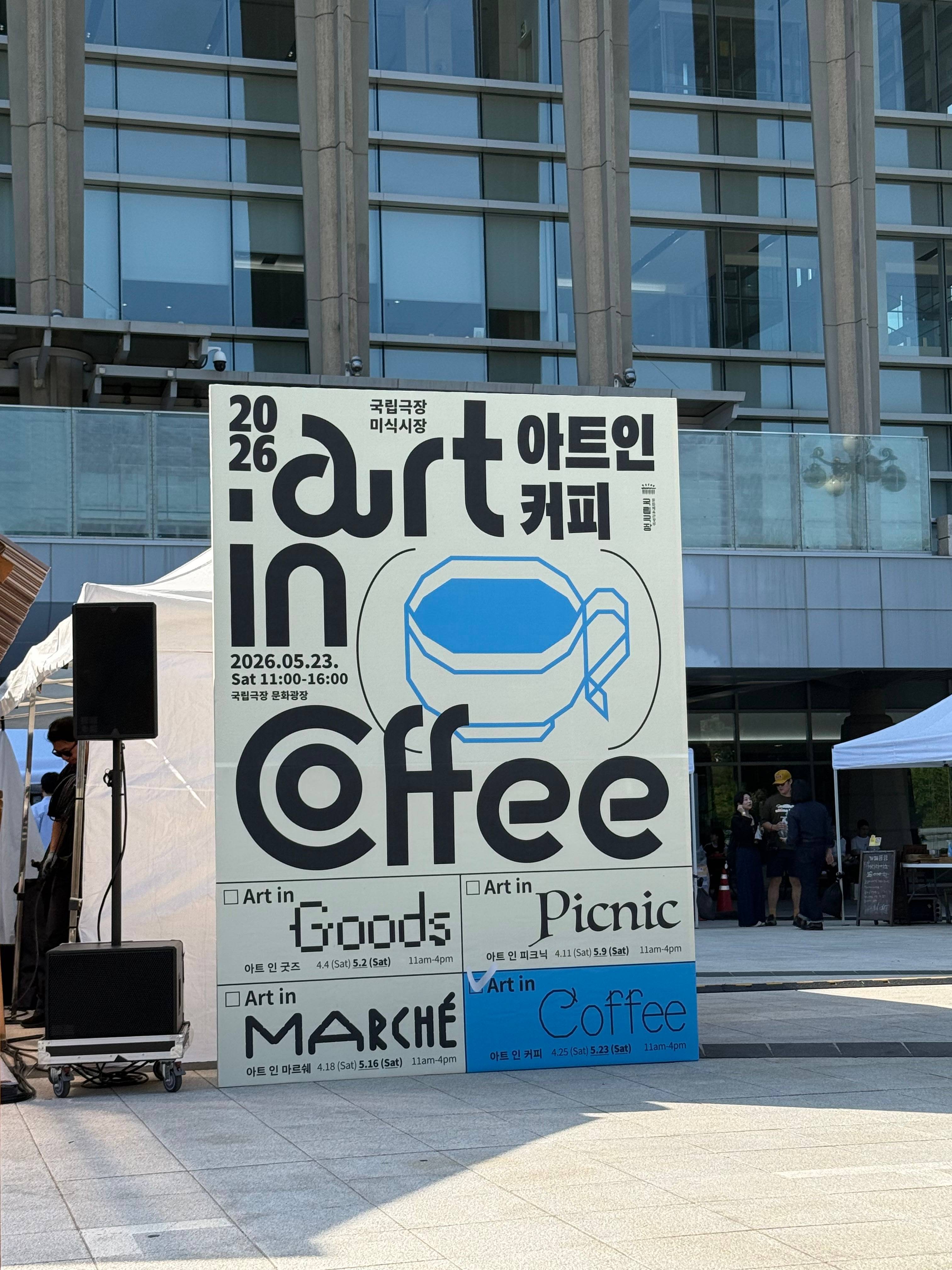
Coffee Artisans from Across the Country
The event was co-planned by 'Mesh Coffee,' a roastery and coffee culture community based in Seongsu-dong with a long commitment to sustainable coffee culture, in collaboration with Baepsae Planning, and was co-hosted with the National Theater of Korea.
Nineteen domestic roasteries — each quietly building its own coffee philosophy in its corner of the country, including Lazy Moment Coffee Stand from Busan, Sammundang Coffee Company from Tongyeong, S.Litté from Hapcheon, and Koeo from Sokcho — came together in one place. Joining them was COFFEE COUNTY, a Fukuoka-based roastery known for its direct-trade sourcing, bringing the total to 20 teams, each bringing its own distinct character to the plaza.
Co-organizer Mesh Coffee began in 2015 at Seoul Forest in Seongsu-dong, building itself into a roastery, a coffee bar, and a community. Its philosophy centers on sustainable coffee culture and on honoring the relationship between the people who grow coffee and the people who drink it.
Watching the roasters describe their beans — eyes lit up, voices full of pride, walking visitors through every step from roast to cup — it was impossible not to draw a parallel to artists presenting their work.
The story behind each cup, the intention behind each roasting decision, was a performance in its own right. Just as a performer on stage connects with an audience through their art, these roasters met the crowd in the plaza through theirs.
A Plaza Where Coffee and Performance Converge
In May, the modern rock band Jinrikisha and jazz band Cozy Jazz Office each took the stage twice — once in the morning and once in the afternoon — while the food talk program featured beer sommelier Kim Mi-yeon, who spoke on the theme of 'Four Ways to Read Beer Like Coffee,' in collaboration with Fermented Ghost. Listening to live music with a coffee in hand, in an open-air plaza, carried a different kind of anticipation from waiting in the lobby for the red curtain of Haeoreum Theater to rise — yet it was the same species of excitement. Inside the theater and out, every corner of the venue had become a stage.
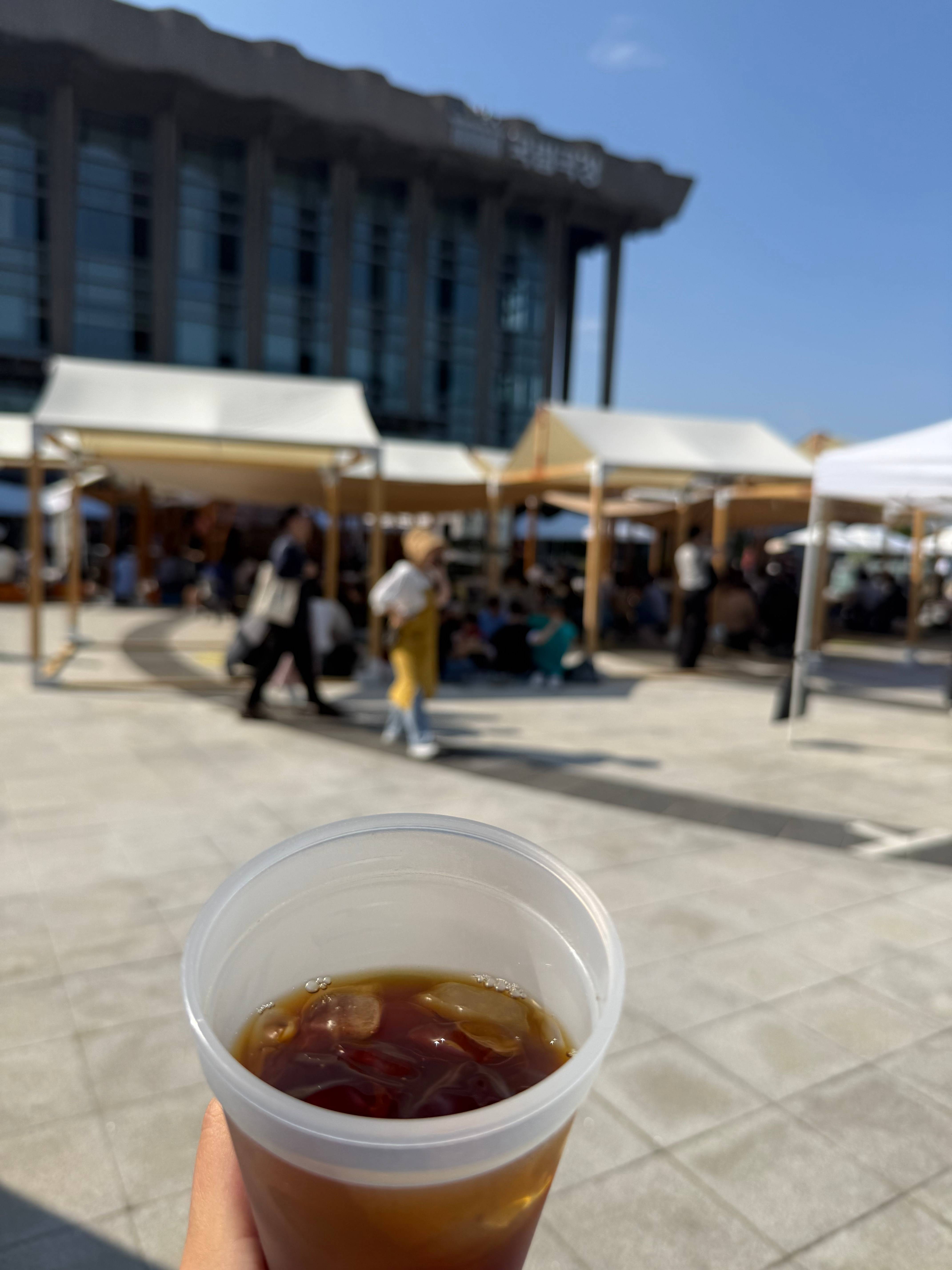
The event's philosophy was equally evident in how visitors experienced it. There were no disposable cups — not a single one.
Every drink and dish was served in reusable cups and containers, all of which had to be returned at the end. It was a small inconvenience, but a meaningful one: a quiet commitment to sustainable coffee culture, and by extension, to a more sustainable culture of attending the arts.
Alongside specialty coffee, the market brought together seasonal food, desserts, craft beverages, and an environmental campaign reflecting on the future of a sustainable F&B ecosystem — making the simple act of drinking a cup of coffee a conscious, values-driven choice.
And the setting itself did the rest. The cultural plaza of the National Theater, perched on the green slopes of Namsan, is about as perfect a backdrop for a cup of coffee as one could imagine.
On a clear, warm Saturday afternoon, visitors arrived early with pre-show anticipation or lingered after performances still wrapped in the afterglow — gathering in small groups, sharing coffee, trading smiles. It felt, at moments, like a quiet celebration of what it means to be alive.
When the Whole Theater Becomes the Stage
Engaging with art and culture is not simply a matter of passing time or spending money.
It is the experience of feeling fully alive — of recognizing, in a vivid and embodied way, the value and joy of being here.
When a single cup of coffee can extend and deepen that experience, weaving naturally into the act of attending a performance, the National Theater of Korea becomes something more than a venue. It becomes a stage for life itself.
Through this festival, the National Theater expressed its commitment to expanding access to the arts and strengthening its connection with the broader community.
What stands out is not just the ambition to stage more or better productions, but the care given to the people who walk through the doors — the spaces they inhabit, the time they spend before the lights dim and after the curtain falls.
Every detail of this event seemed designed to ensure that visitors would leave carrying something more than a ticket stub: a memory, a feeling, a sense of having been part of something worthwhile.
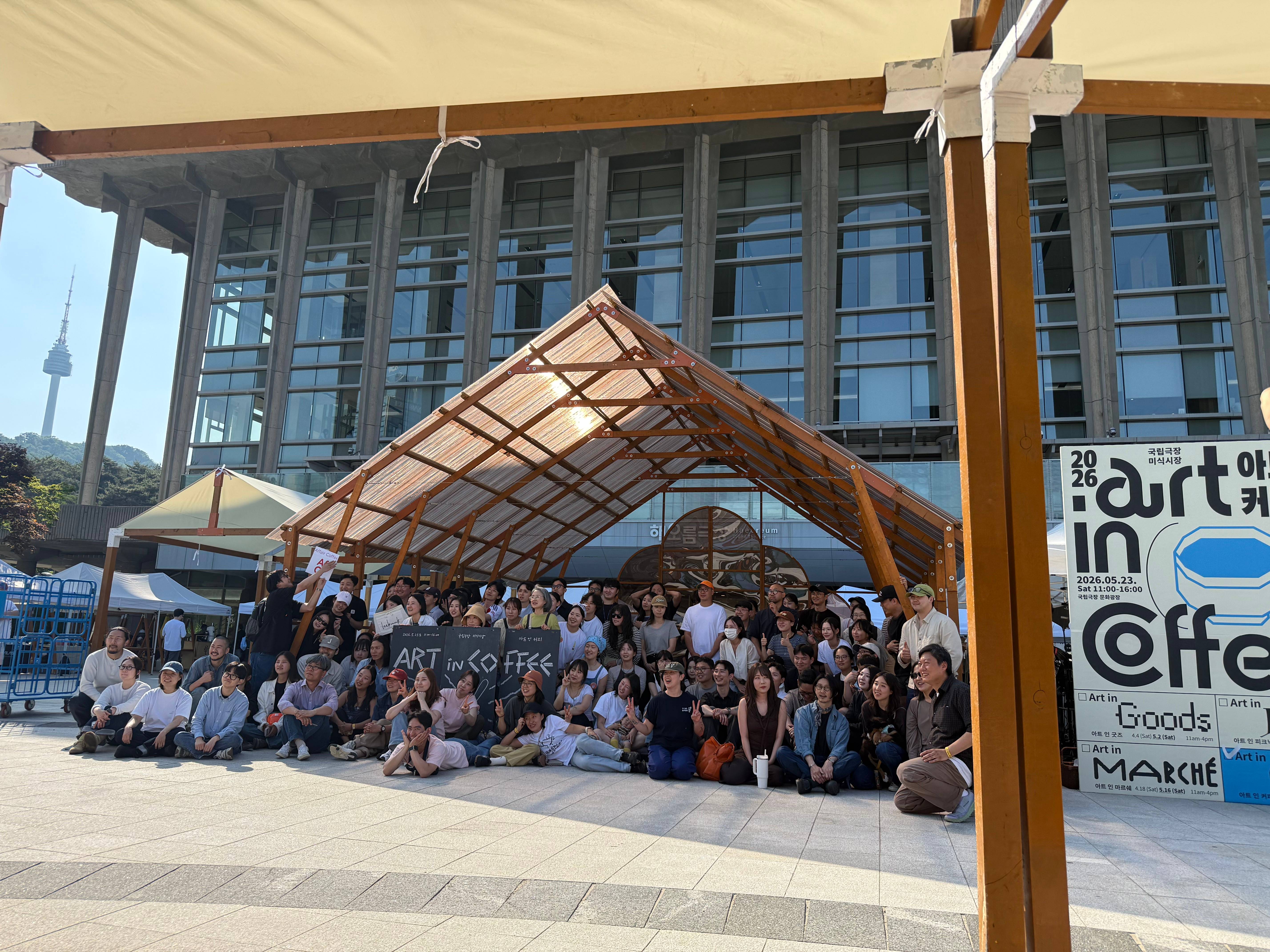
Human warmth. A richer, more meaningful experience on both sides of the stage.
And deep gratitude to everyone who works to create these moments and invite others into them.
May that warmth reach more people — and one day, audiences the world over.
