
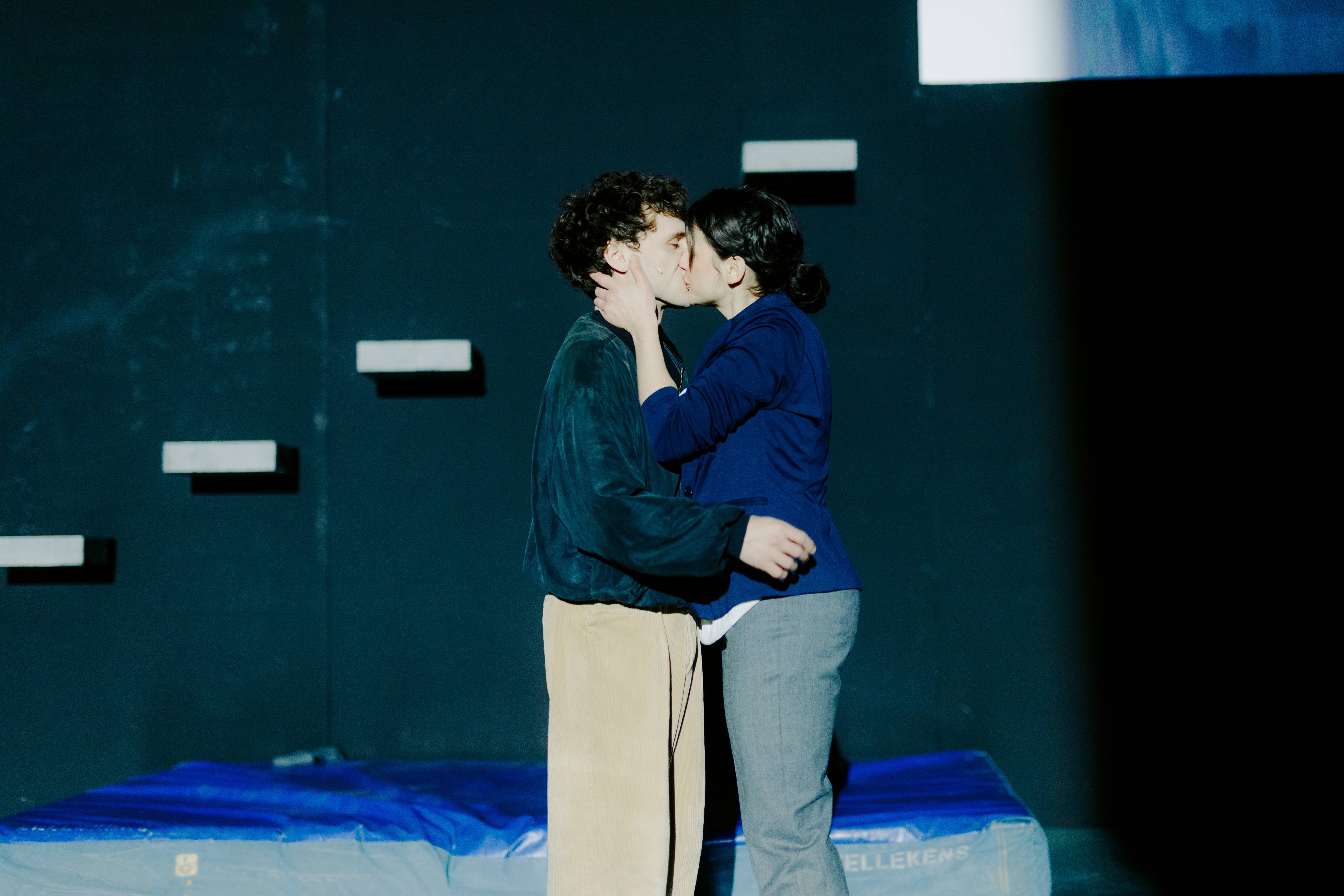
There are countless stories told of young love, particularly those that blossom before the harsh reality of loss sets in. However, when the two adolescents Jules and Alva meet on a bare stage, their awkward yet deeply charming first encounter sparks a youthful romance built on a shared, silent understanding of loss.
The production marks the world premiere staging of the celebrated novel by German-Swiss writer Benedict Wells, The End of Loneliness (Vom Ende der Einsamkeit). The play resonates with a nostalgia similar to the works of Édouard Louis—whose novels have become favourites for theatrical adaptation—and echoes the emotional depth of Hanya Yanagihara’s A Little Life.
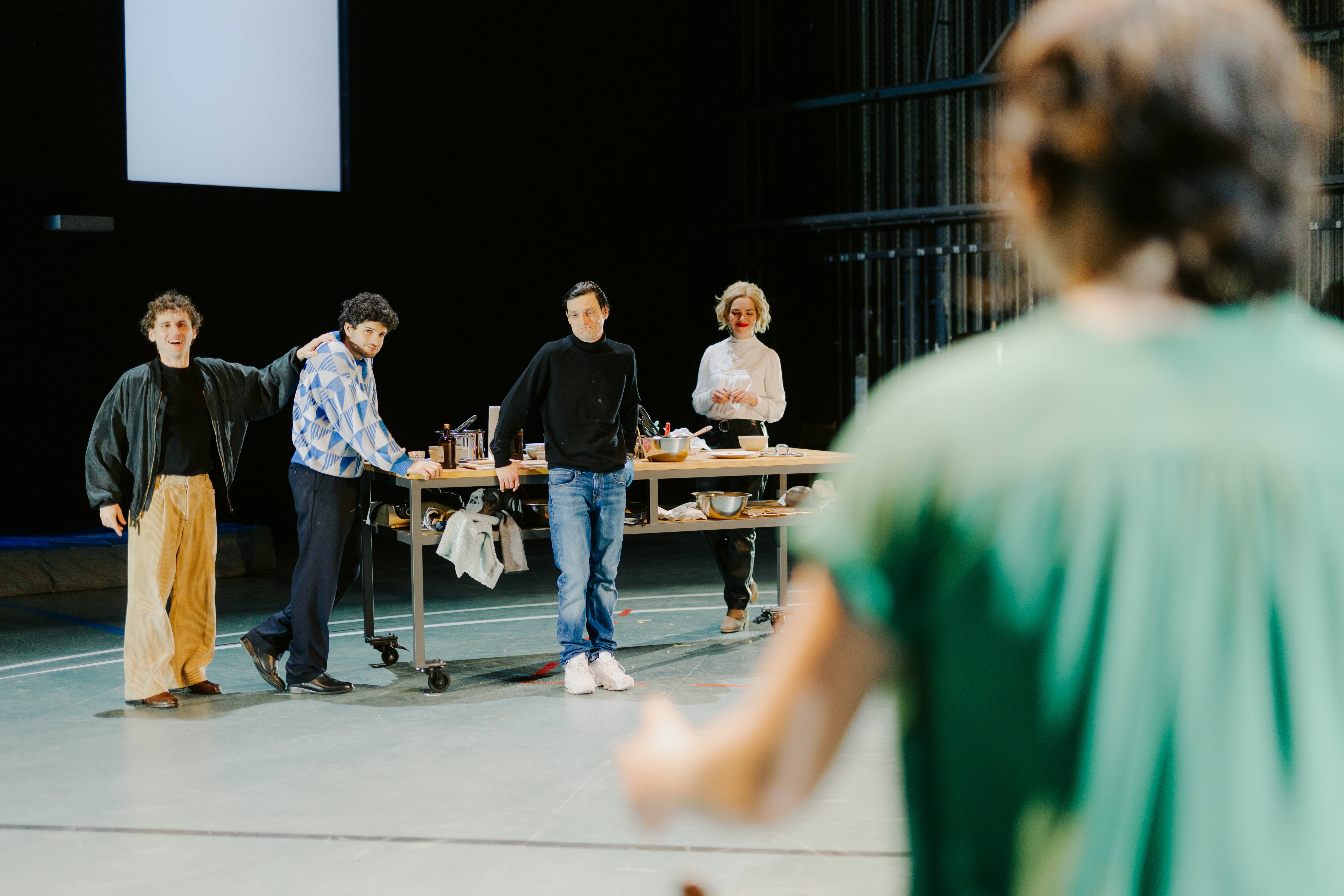
This stunning adaptation took place at Schauspielhaus Bochum, one of Germany’s most prestigious yet frequently overlooked theatre companies. Wells’ fourth novel famously stayed on the German bestseller list for over 80 weeks and was awarded the 2016 European Union Prize for Literature; it notably remains his only work translated into English.
Actor, director, and ensemble member Guy Clemens deserves immense praise for crafting this deeply heartfelt adaptation. Personally, it stands as one of the very few page-to-stage translations in recent years that successfully conjures the core spirit of the source material while elevating it through nuanced theatricality. Clemens’ memory-play approach is poetic, subtle, and entirely believable, aided beautifully by Anja Rabes’ minimalist stage design. Operating on a nearly bare stage atop a giant revolve, Rabes thoughtfully creates intimate nooks and corners to frame the distinct vignettes of the characters' lives. Whether it is a desk hosting an electronic typewriter, a cozy spot for a turntable record player, a kitchen island where seemingly insignificant memories are forged, or a solitary street lamp capturing the profound lonesomeness of Jules and Alva as they reconnect over a decade later, every element feels intentional. Complementing this visual poetry, Johannes Zotz's lighting design offers several stunning, indelible images, while era-specific music serves as a perfect auditory anchor for transitional moments as the story unfolds over nearly three decades.
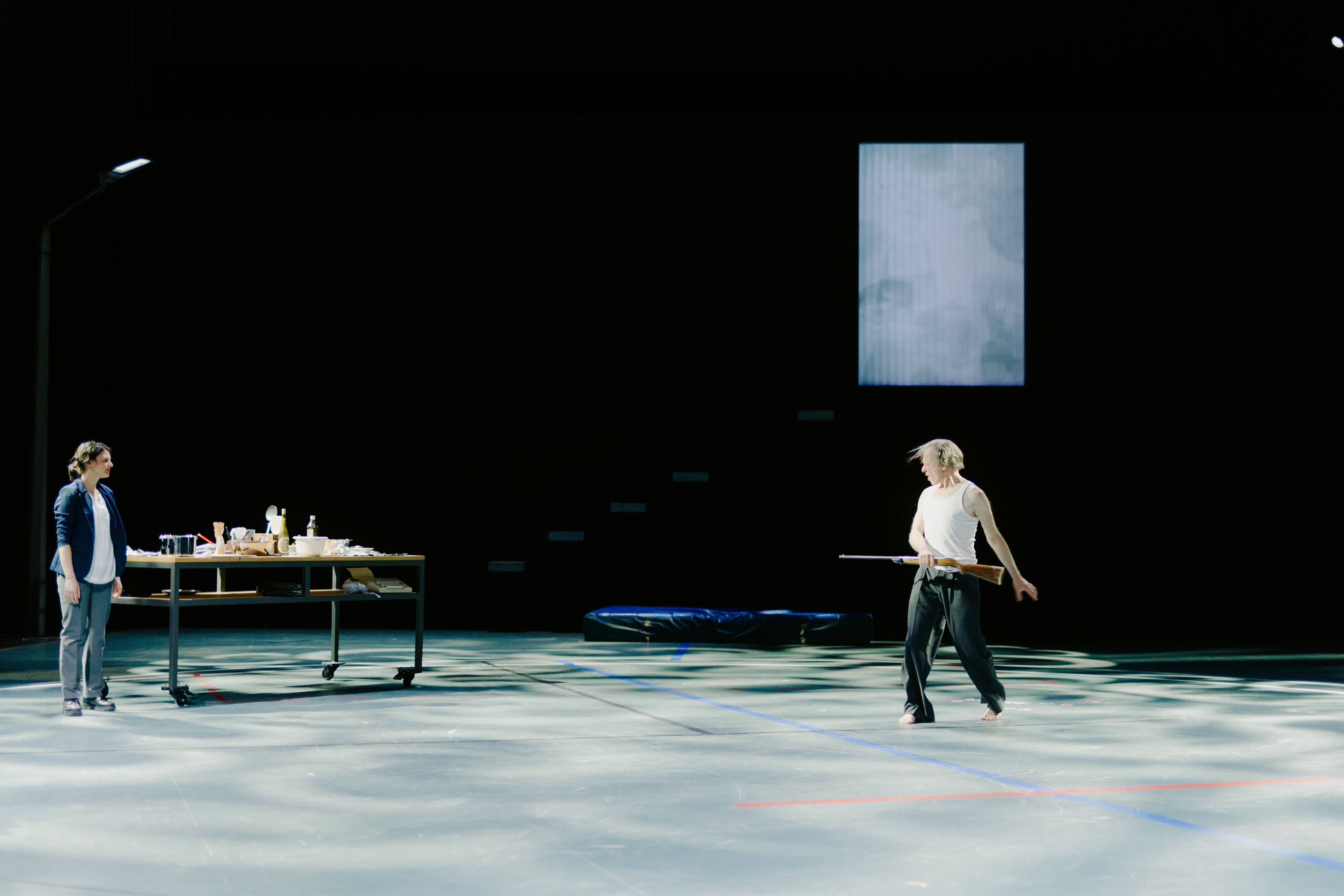
Wells famously describes the trajectory of his characters' lives in The End of Loneliness as a relentless succession of illness, death, grief, and unrequited love. The exceptional ensemble of Schauspielhaus Bochum imbues this dark reality with a deep, lived-in understanding of their roles. Dominik Dos-Reis, portraying Jules, speaks volumes during his moments of silence—communicating more through quiet stillness than any dialogue could achieve. Tracking his character's evolution from a numbed ten-year-old boy to a late-thirty widow, his performance is incredibly grounded and rich with pathos. Nina Steils’ Alva complements Dos-Reis perfectly, grounding the production with her warmth and undeniable authenticity. Meanwhile, Mathias Max Herrmann masterfully navigates the immense complexity of Romanov, Alva's husband, delivering a layered performance that builds to a deeply tragic end. Additionally, Payam Yazdani—one of the most promising young actors in contemporary German-speaking theatre—shines in the supporting role of Toni. Yazdani embodies the production's core message that "love isn't a zero-sum game," acting as the vital, invisible glue that holds the narrative fabric together.
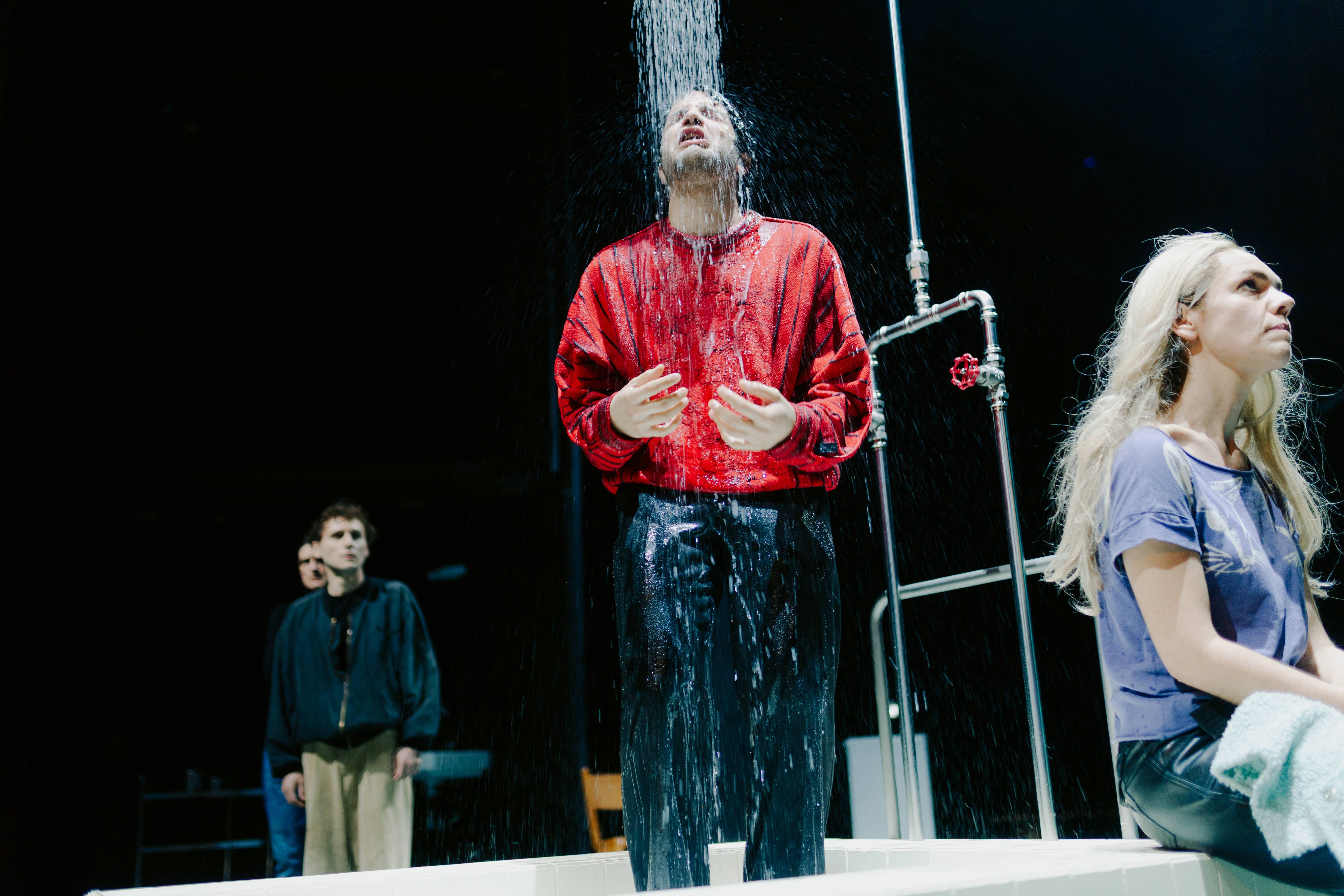
"Hope is for idiots," scoffs Jules’ brother, Marty. "So is pessimism," Jules replies. While The End of Loneliness casts a stark light on how we navigate the grueling waters of loss, this production ultimately champions survival. This is highlighted beautifully through small, sporadic moments of live cooking that culminate in one of the most touching final scenes I have ever witnessed on stage. While the other characters remain somewhat consumed by what is missing from their lives, Toni's constant, quiet presence for everyone serves as the production's ultimate anchor—a powerful reminder to embrace life as it comes and, more importantly, to cherish its fleeting, beautiful moments.
production photos ©Sophia Hegawald
Vom Ende der Einsamkeit will be revived next season at Schauspielhaus Bochum
